Summer Highs and Lows

Poor weather has not made it easy to get out and find butterflies.

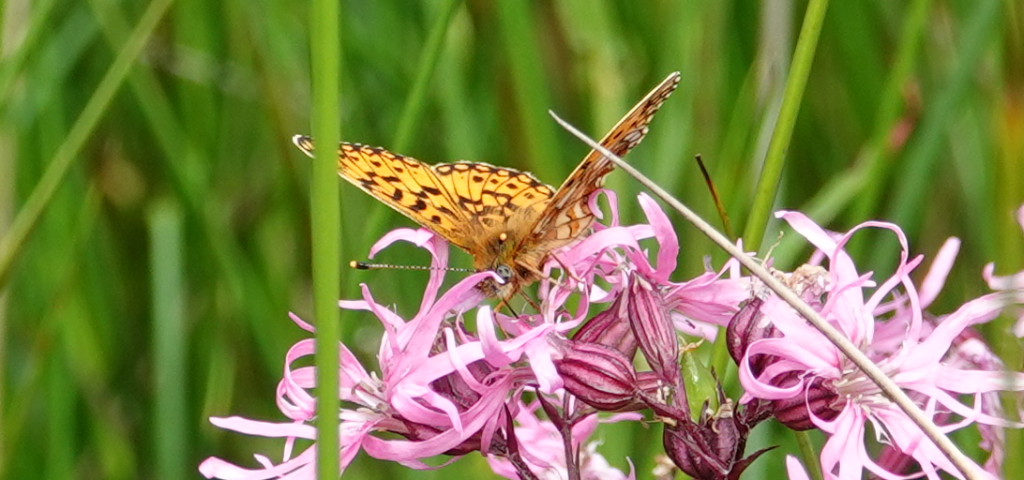
The Small Pearl-Bordered Fritillaries were spotted only on Blantyre Muir as there was no opportunity to try and look for them on other sites.

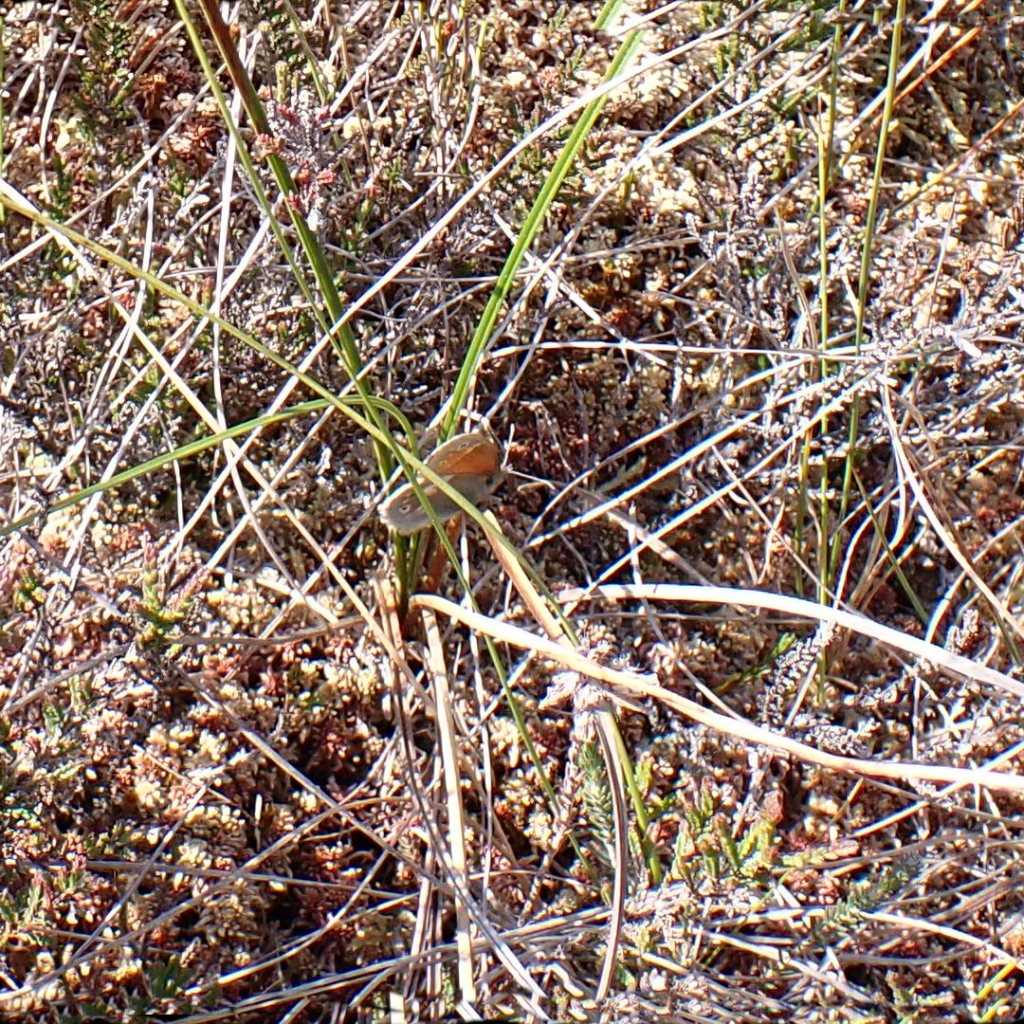
Suitable weather conditions to find Large Heath Butterflies did not occur on the days when I was available.

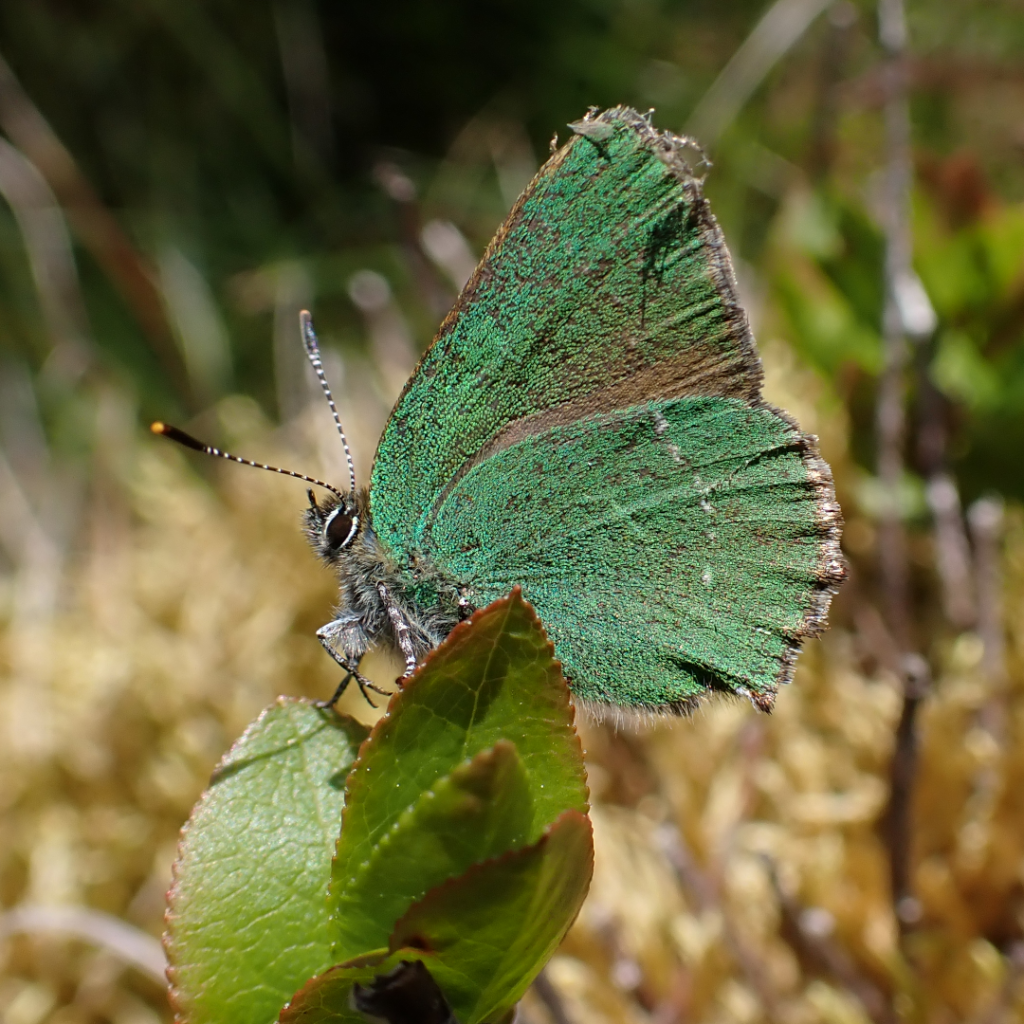
With the cool weather in the spring, I only managed to spot Green Hairstreak Butterflies on Langlands Moss and nowhere else. The opportunity was not there to see how they were doing on Blantyre Muir.

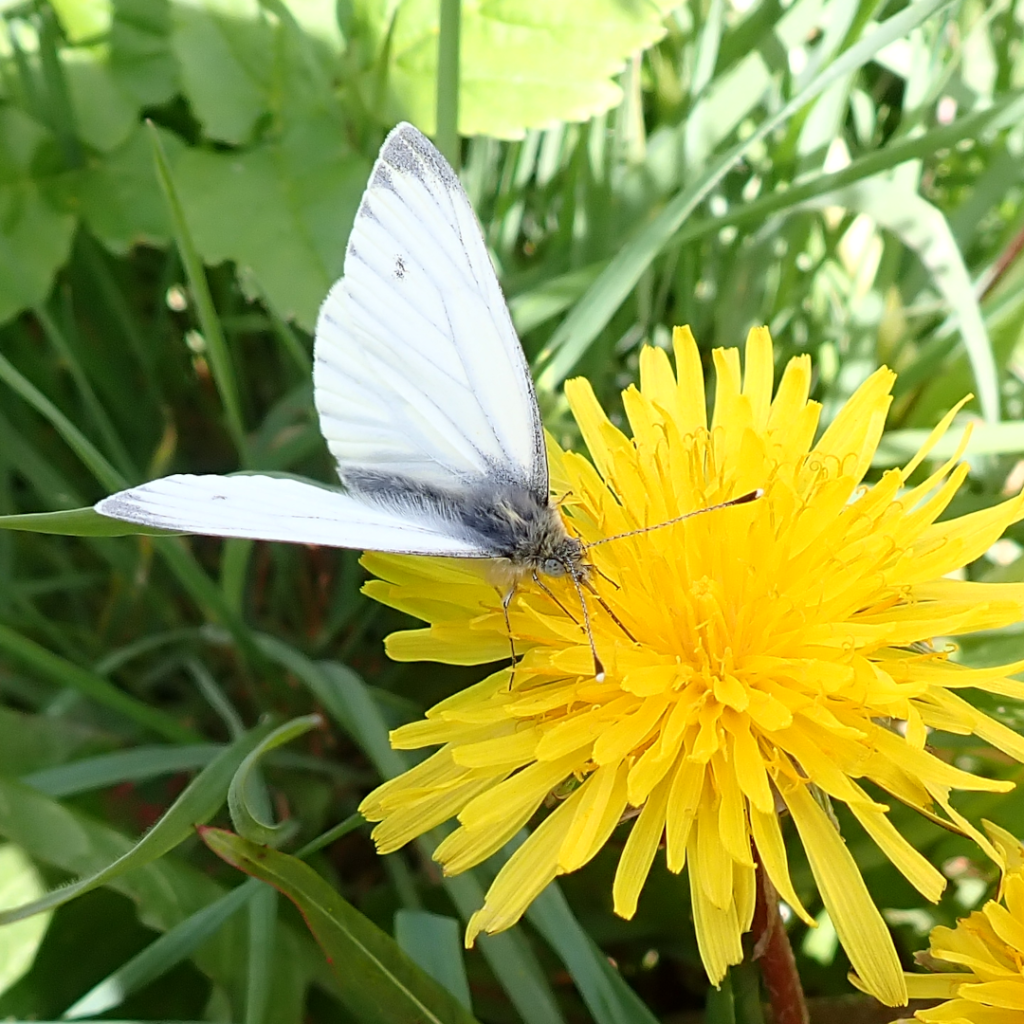
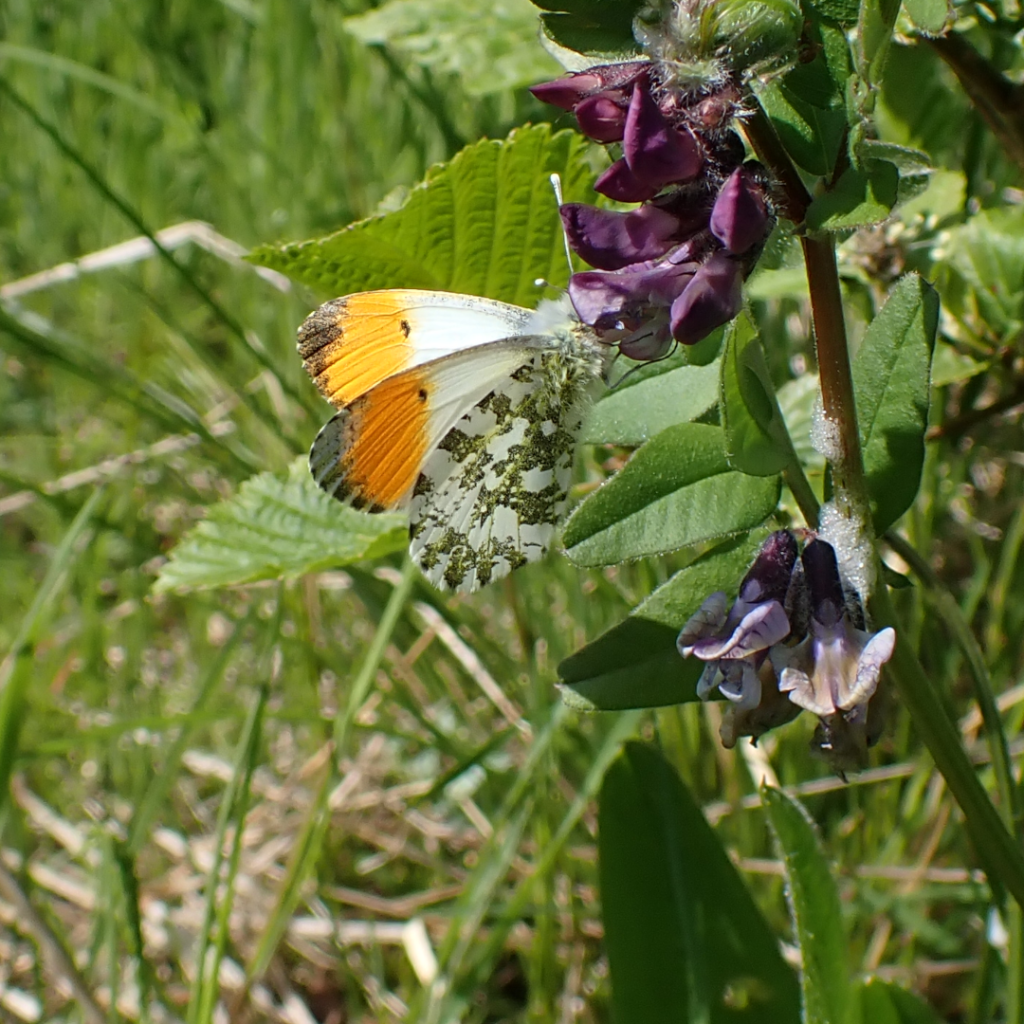
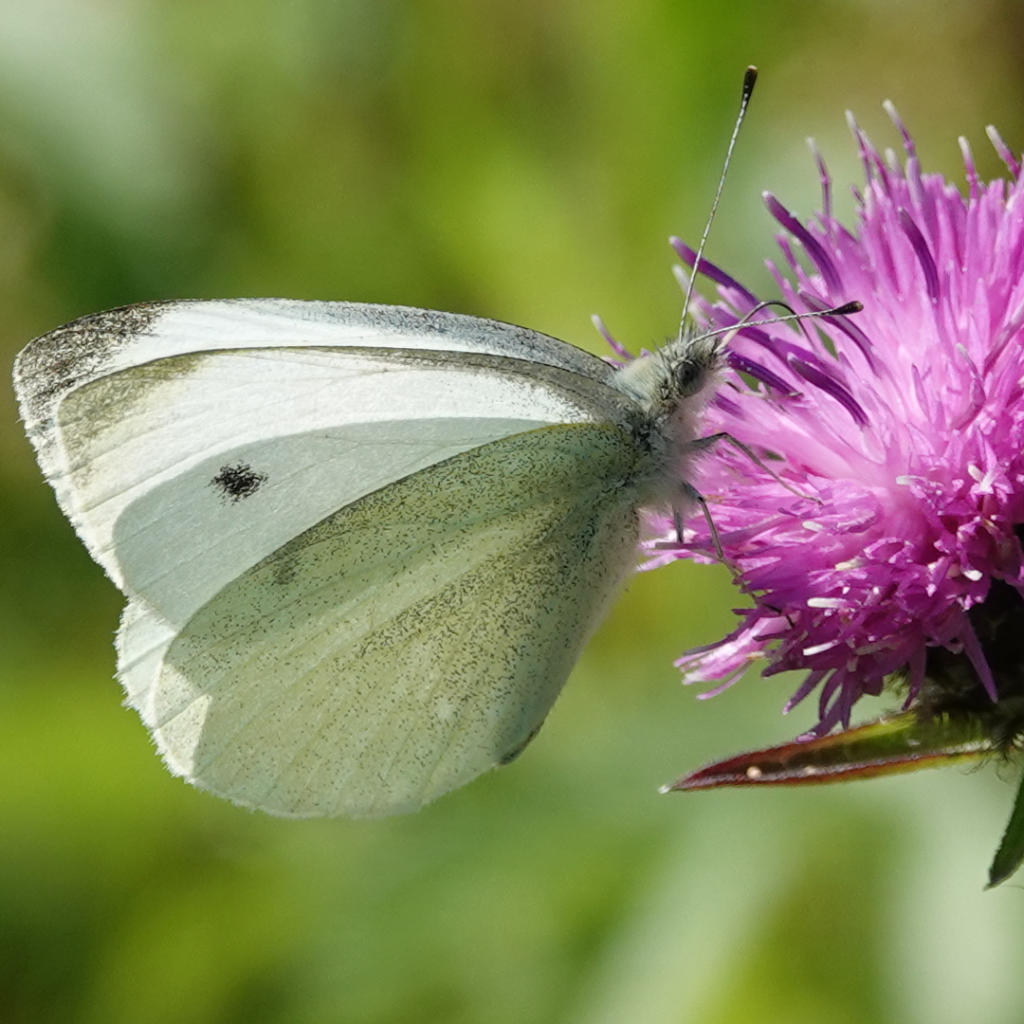
Green-Veined Whites and Orange Tips were also spotted, with Orange Tips being more numerous, in my view, than last year.

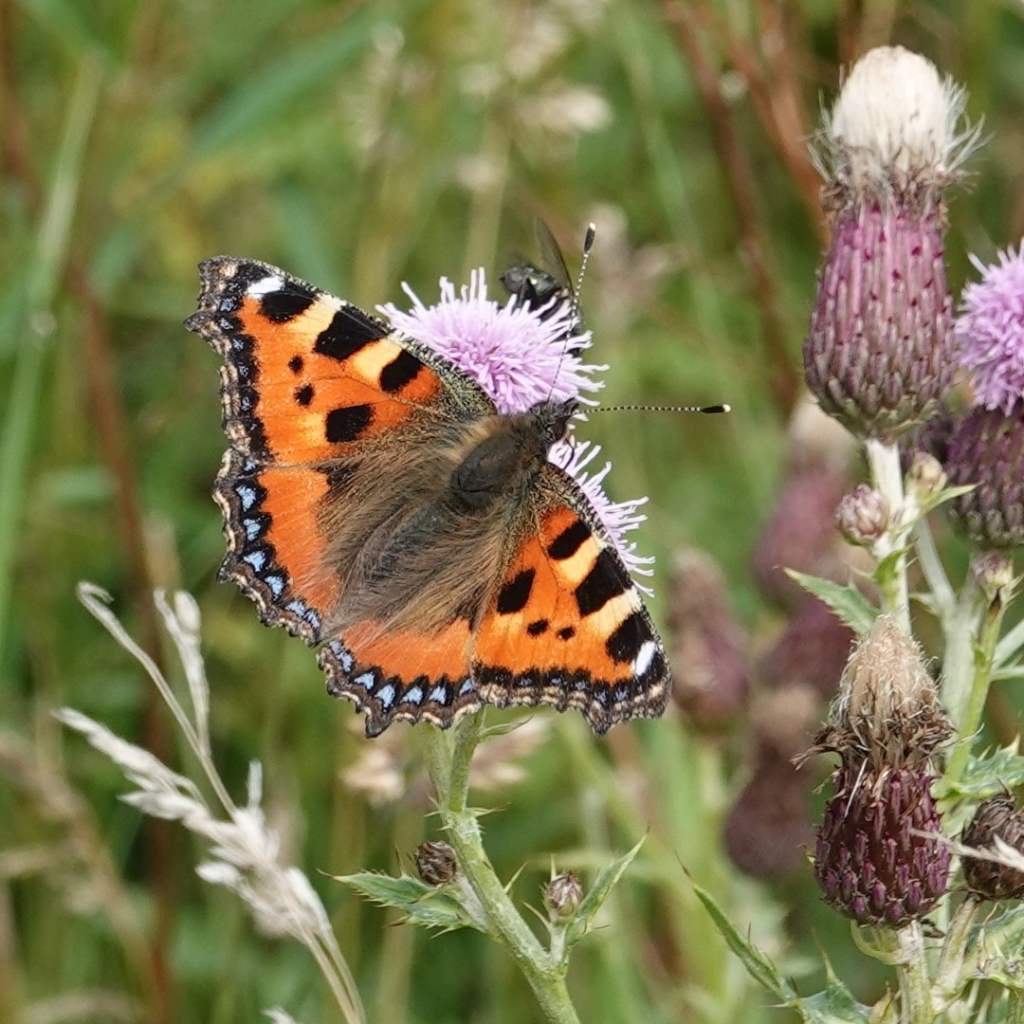
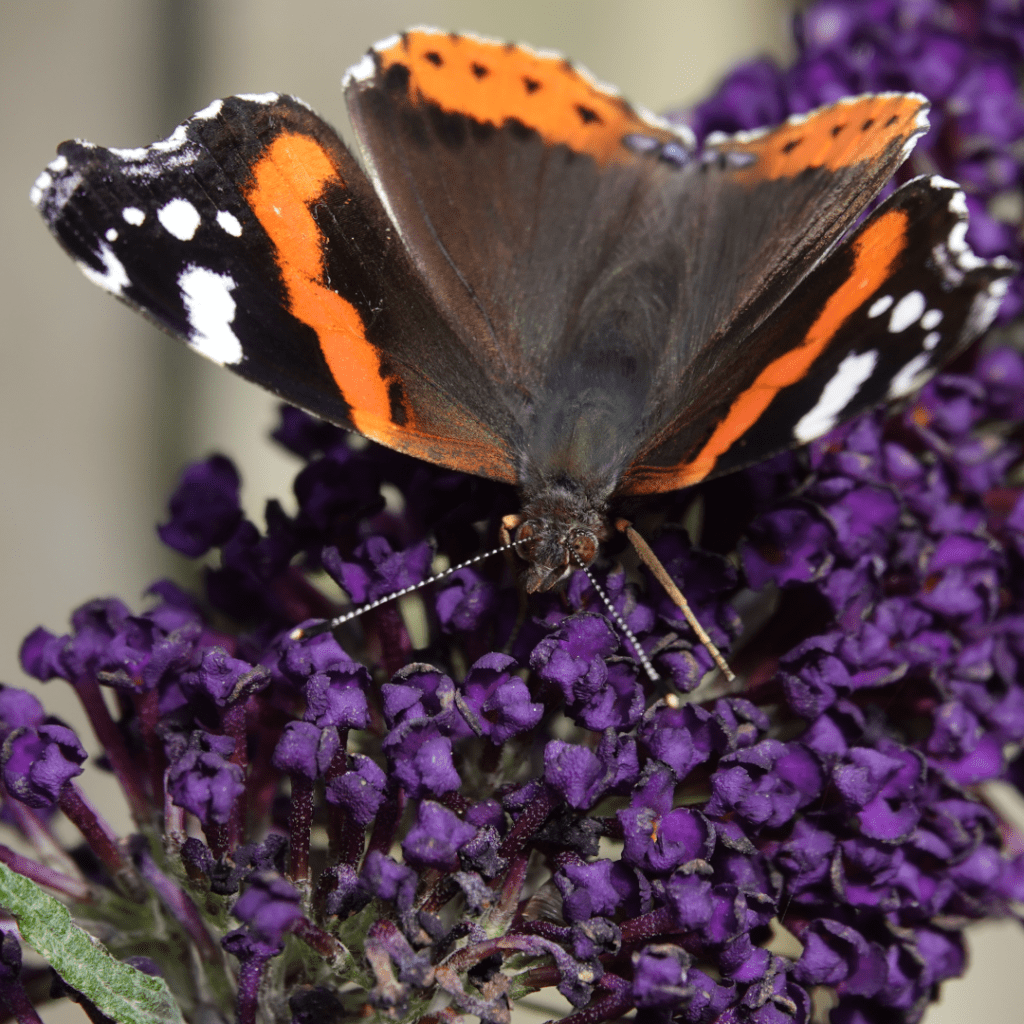
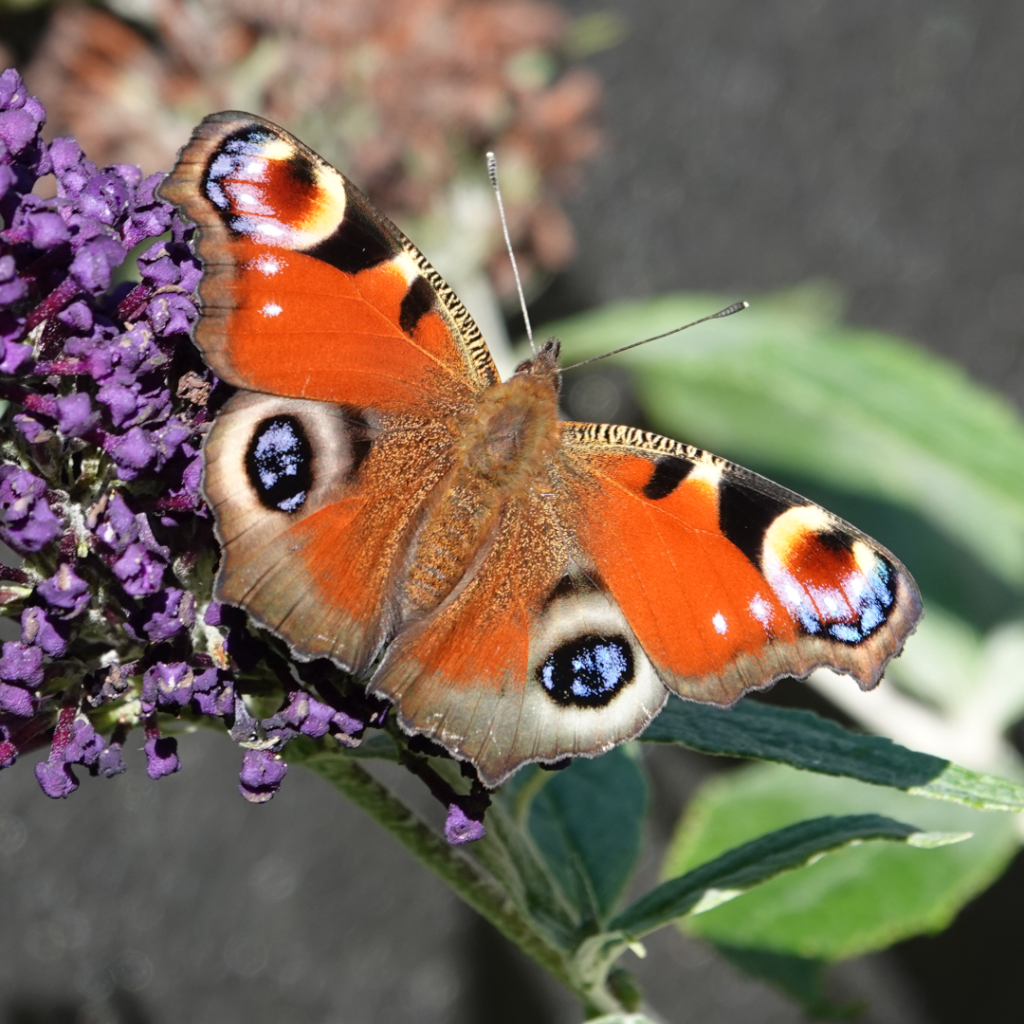
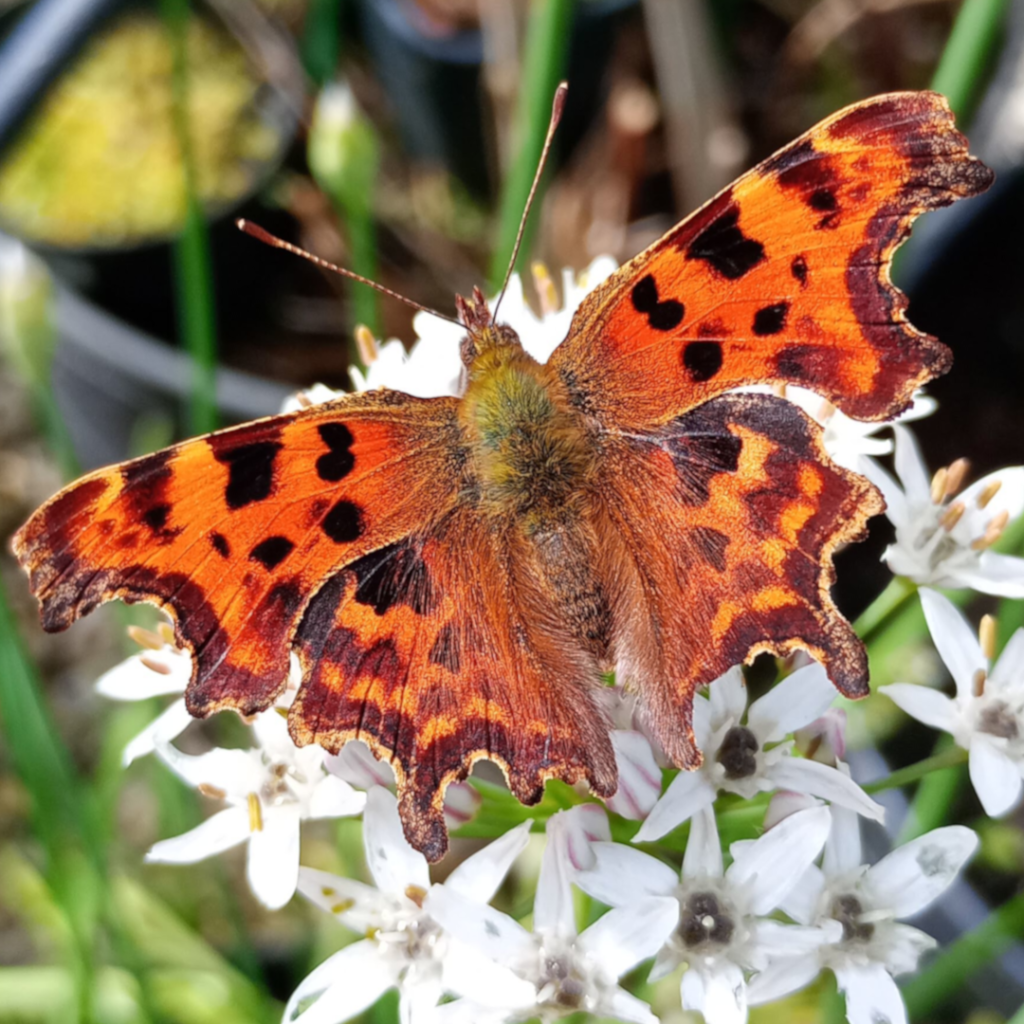
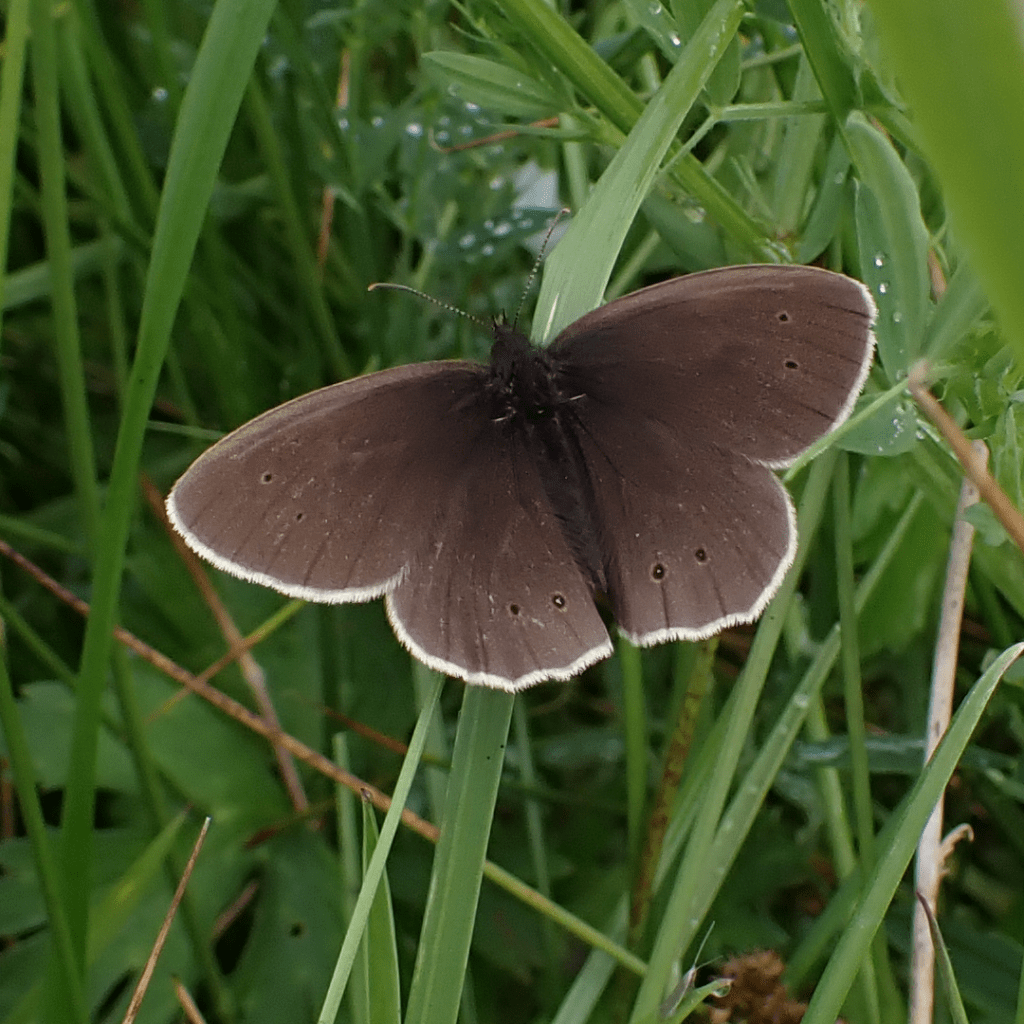
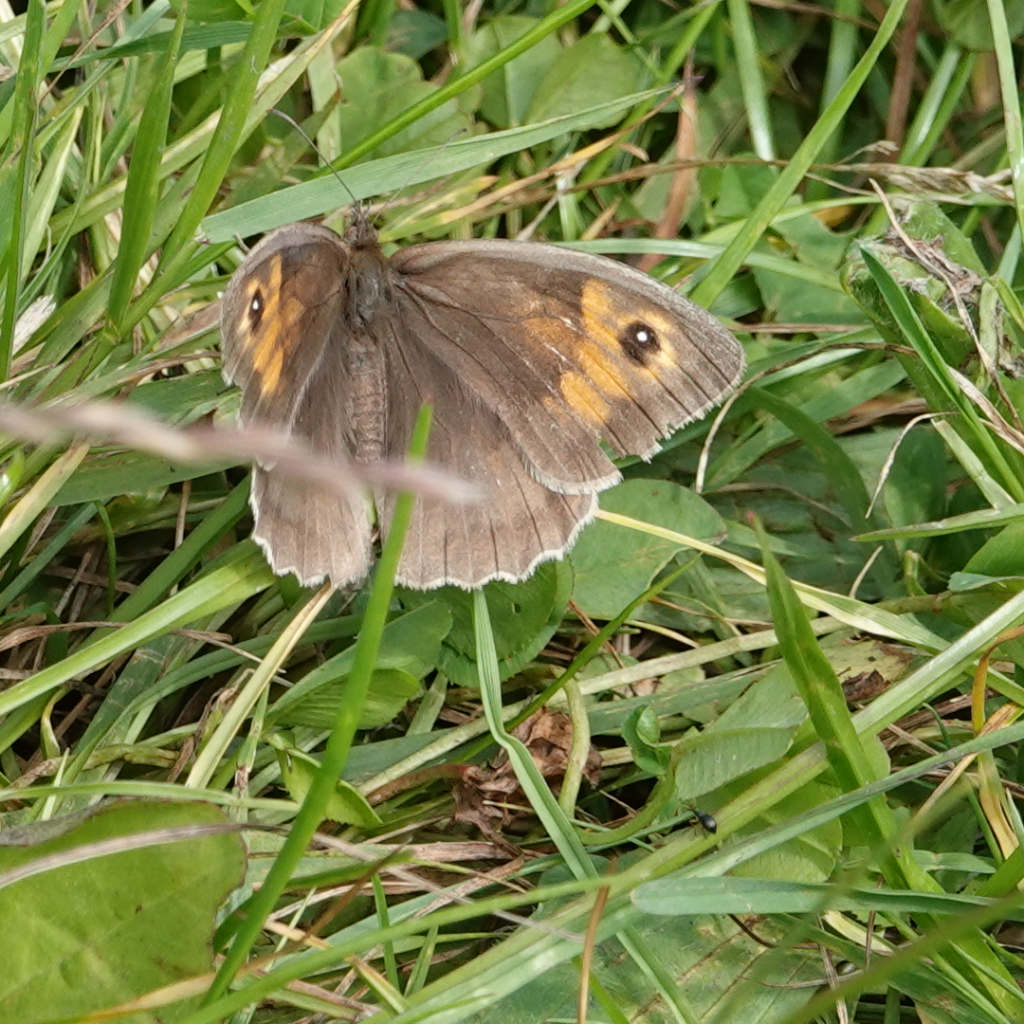
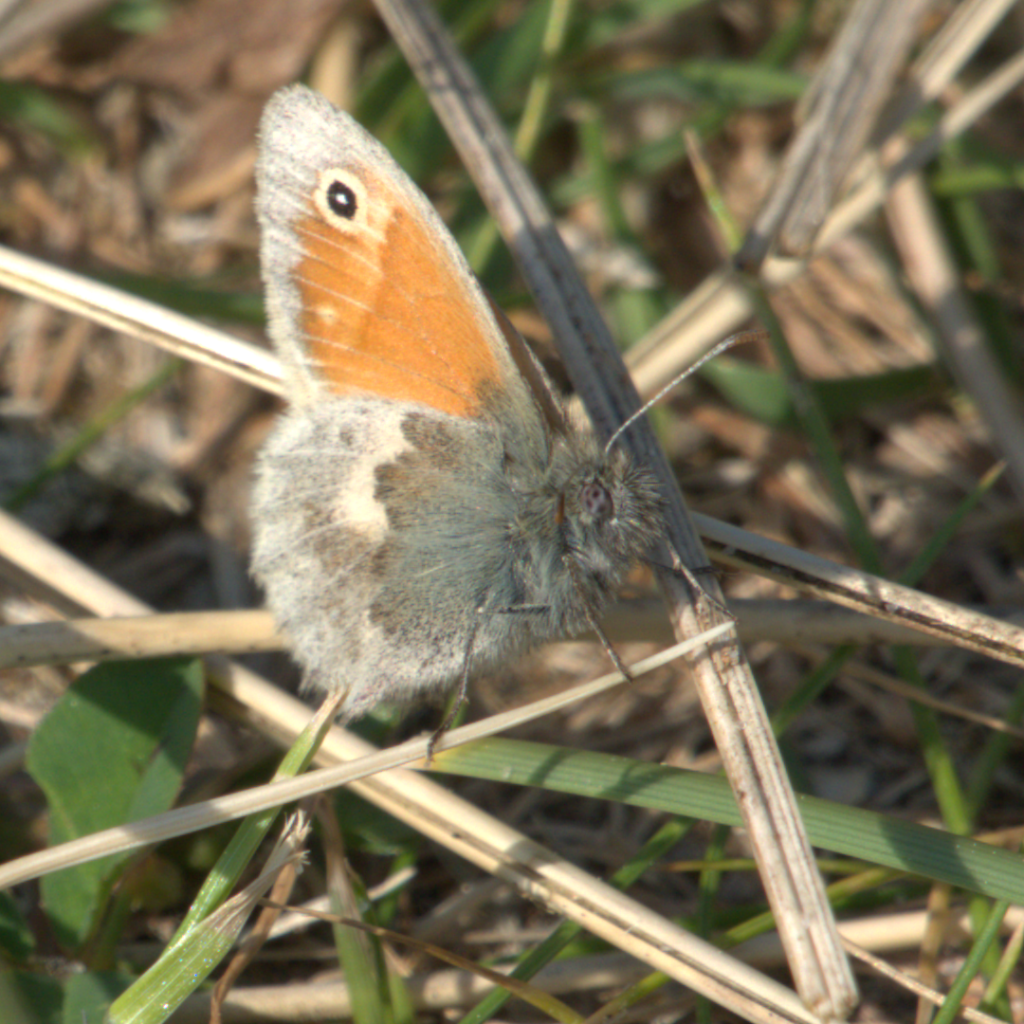
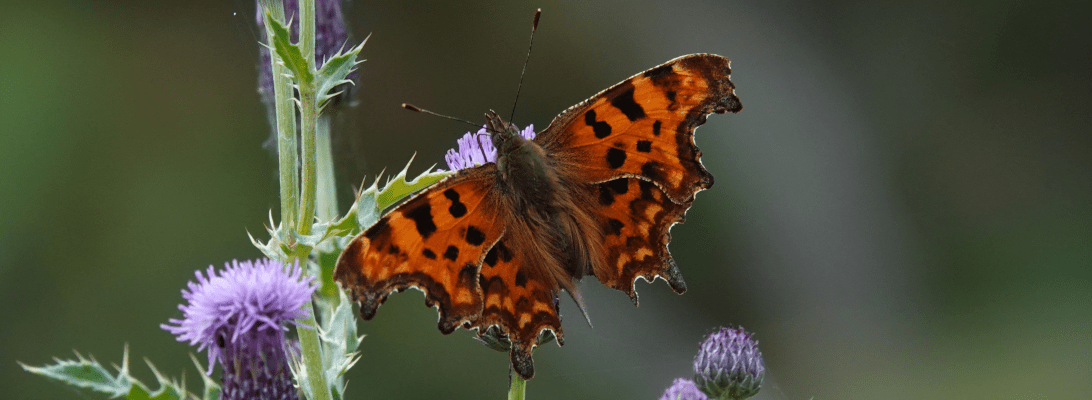
The other common butterflies spotted were the Small Tortoiseshell, Red Admiral, Comma, Ringlet, Meadow Brown, Small Heath, and Peacock. Sadly, the number of sightings was down from last year.
As for the Cabbage Whites, both Small and Large White, the best place to see them was on allotments.

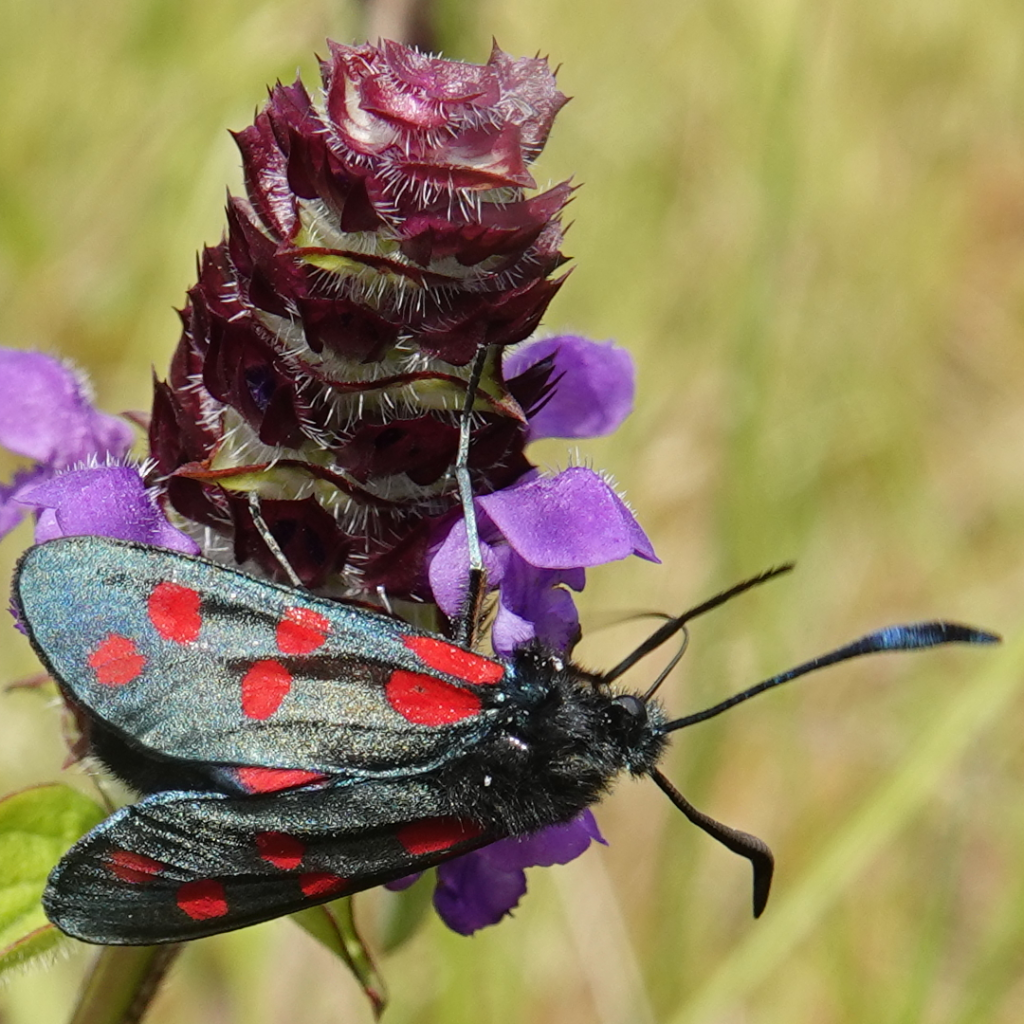
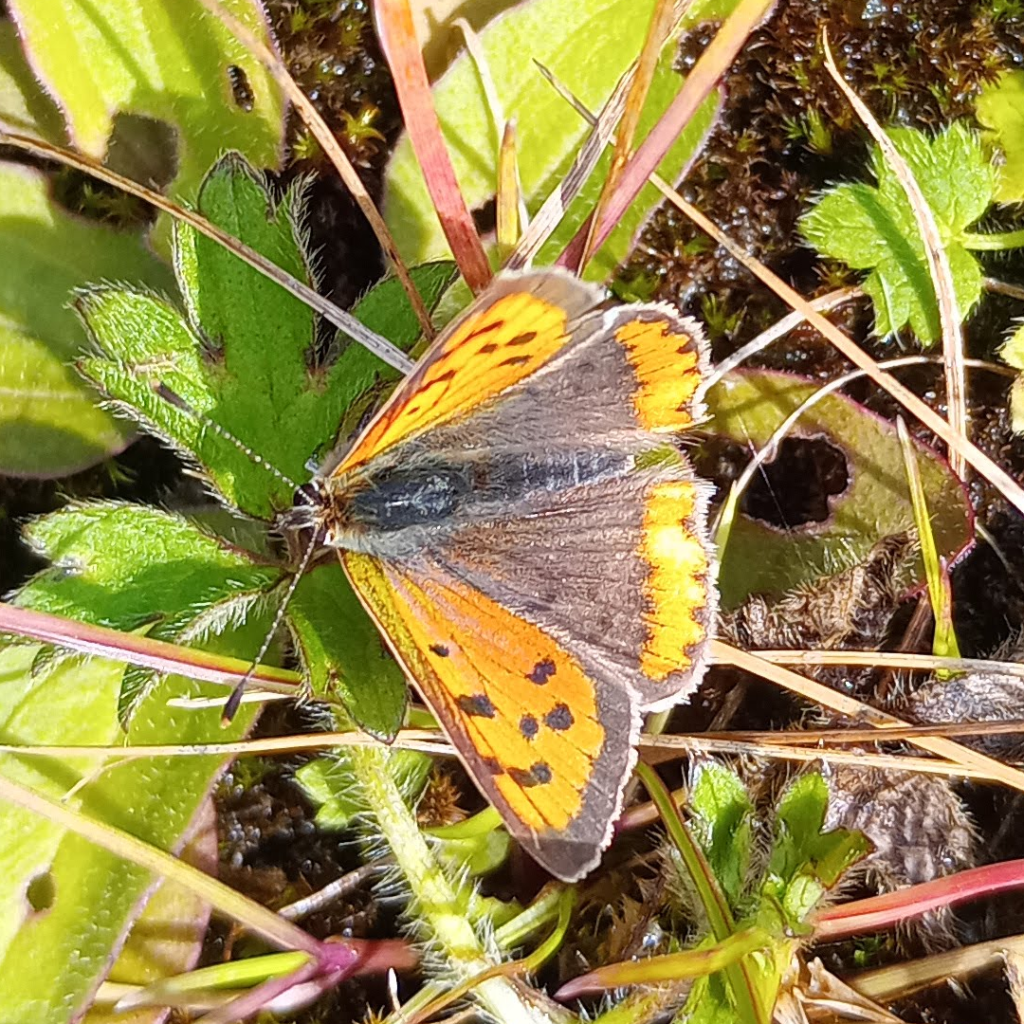
On a more positive note, the Small Copper Butterfly, a tiny butterfly that is hard to spot, was seen along with Burnet Moths at Glen Esk Pocket Park.

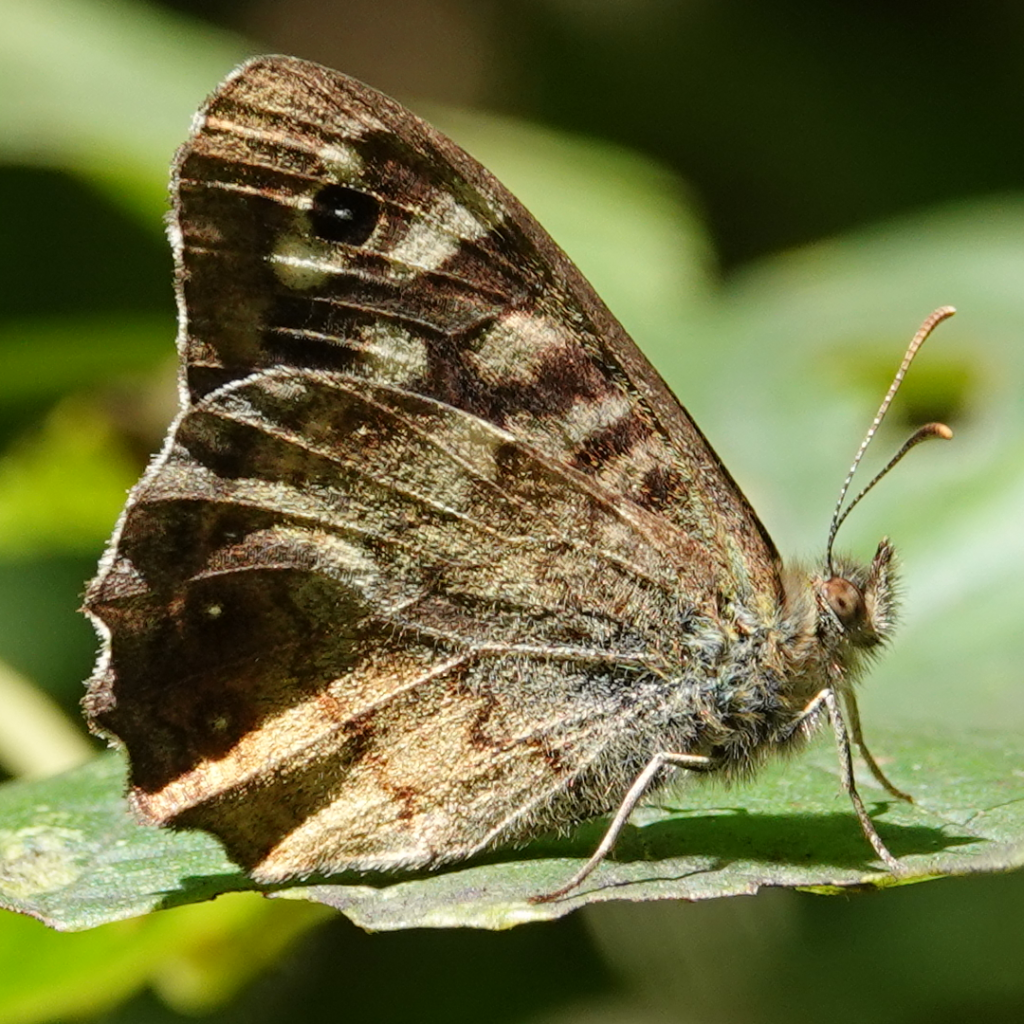
However, the biggest surprise was the Speckled Wood Butterfly, with sightings at Calderwood, Brancumhall, and West Mains. This butterfly does appear to be increasing its range.

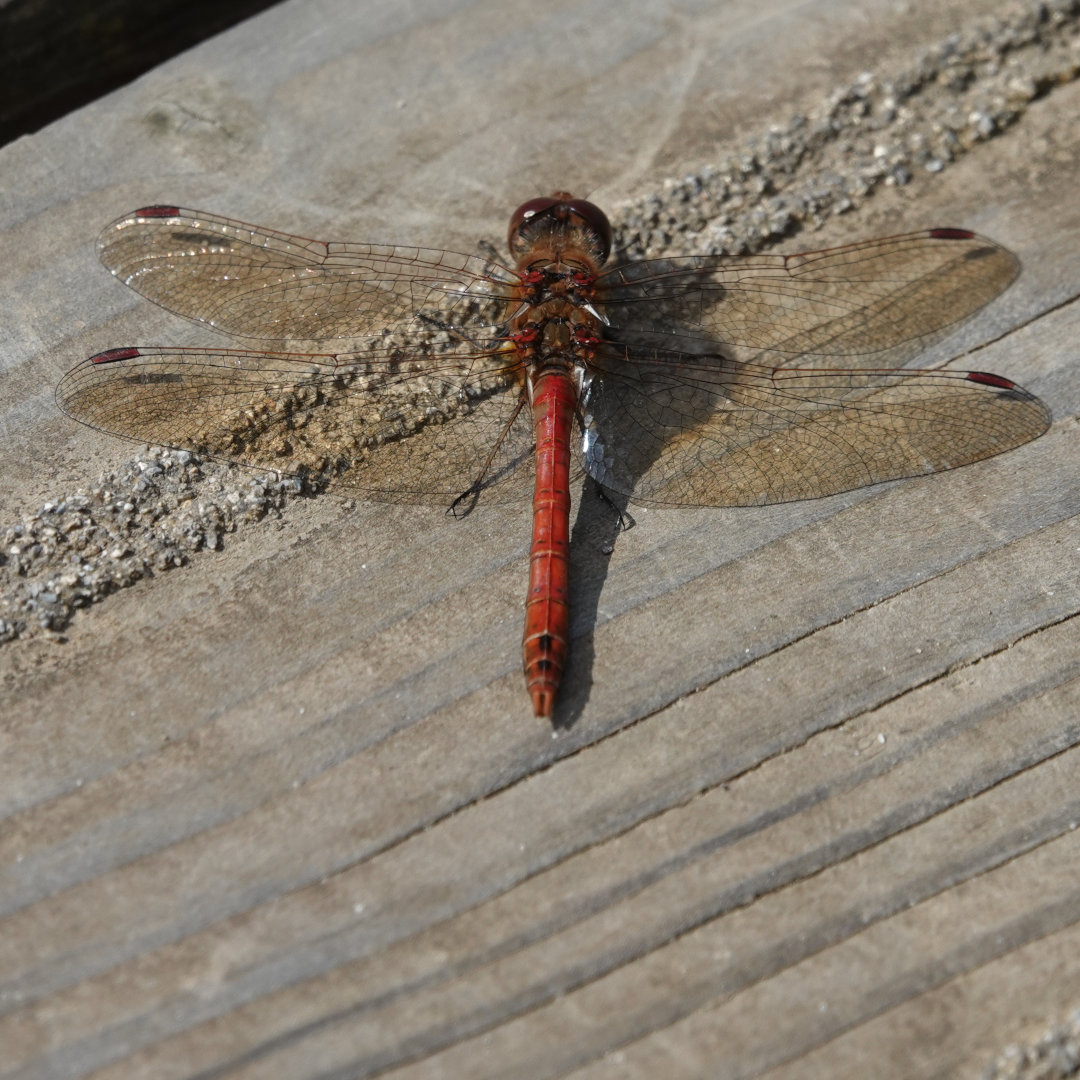
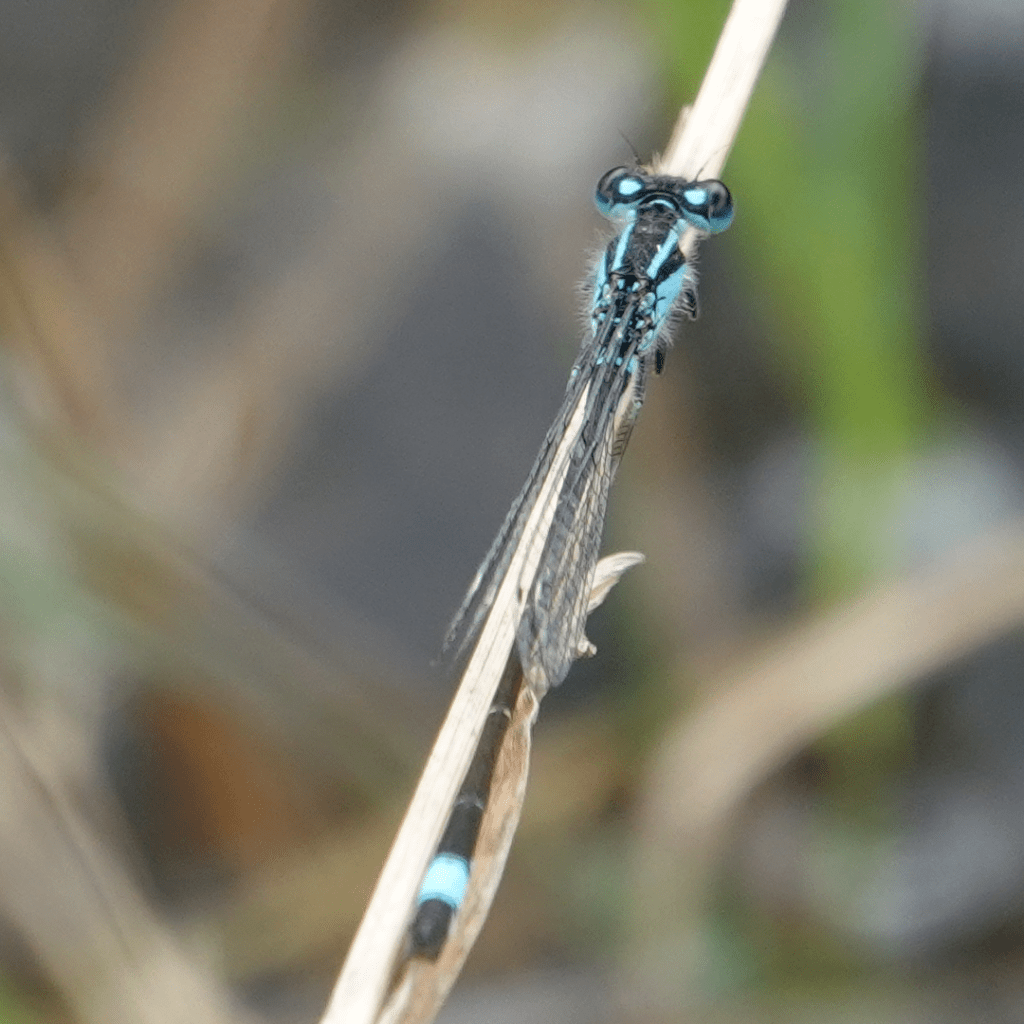
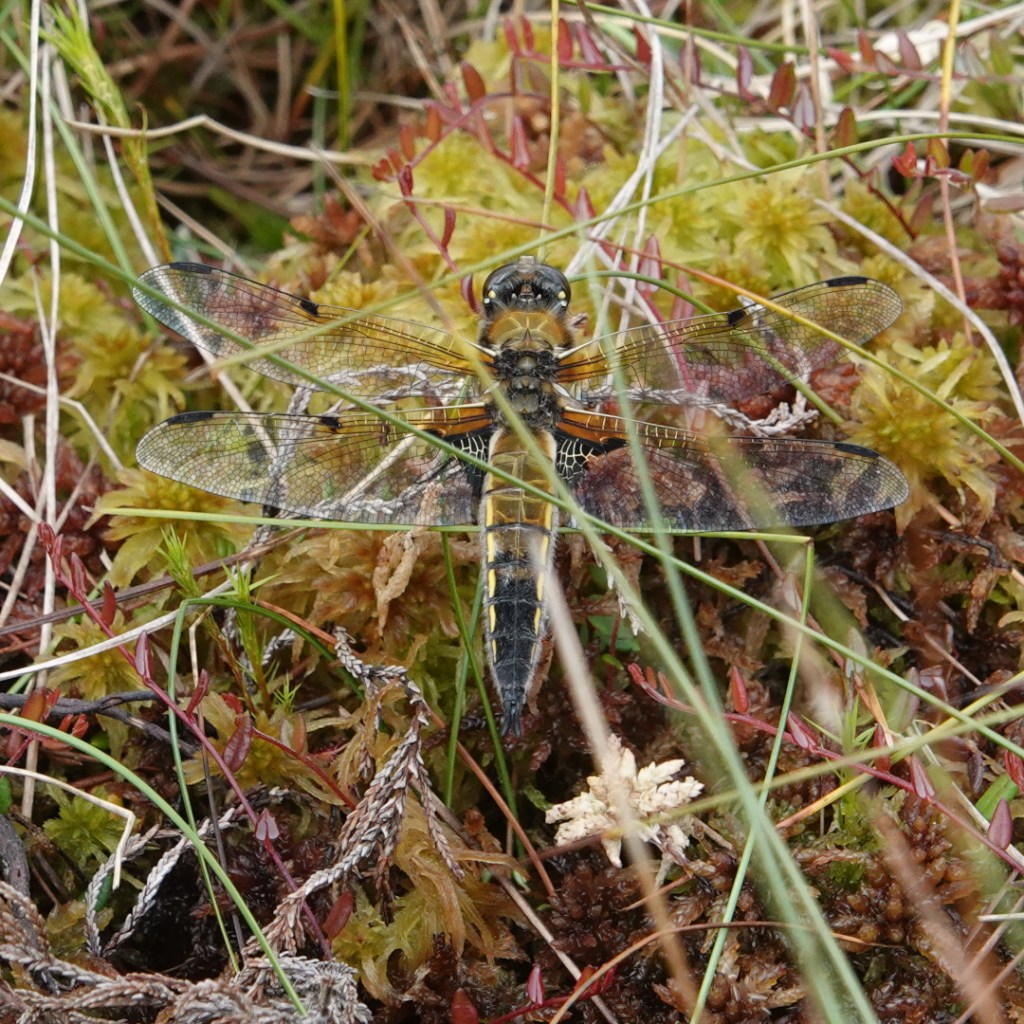
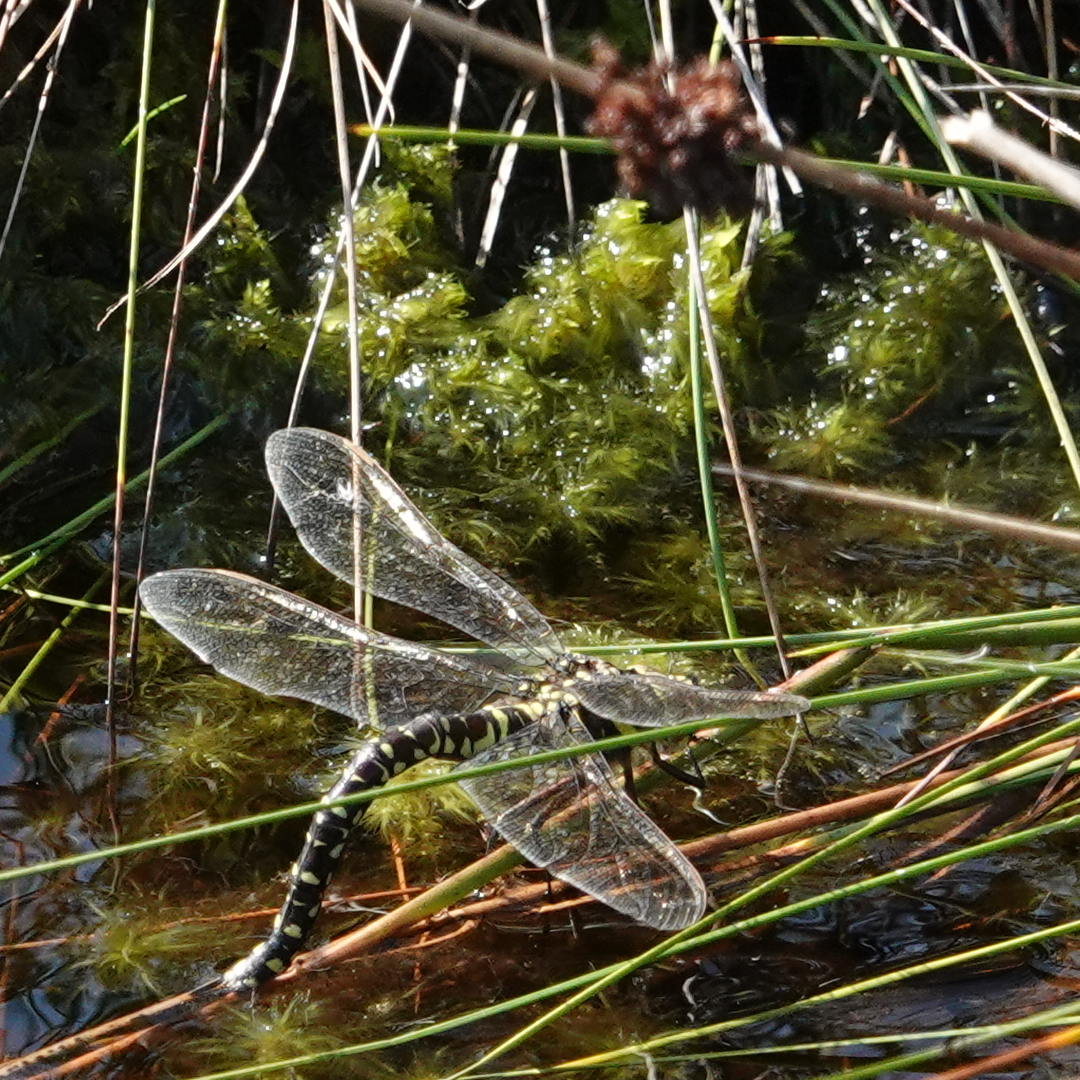
While Butterflies may have been disappointing, Dragonflies were not, with sightings of the Common Darter, 4 Spot Chaser, and Common Hawker all spotted around our wetlands along with red and blue damselflies.

Planting for eggs

Planting for Pollinators is Important.

Providing Nectar for Energy and Pollen for Protein should maintain a healthy, viable adult insect population able to provide pollination services to plants to enable them to produce seeds.

Doing this is beneficial to the food production that we rely on. Where would we be without strawberries and apples and so many other crops?

But without the plants for the larval stages to thrive we face a dwindling insect population no matter how many plants are provided for pollination.

Growing Cuckoo Flowers for orange-tip butterflies is easy. Take the leaves from the base of a well-established Cuckoo Flower Plant and lay them on wet soil.

Keep it damp, and soon, shoots will grow.

A year later, there will be flowers.

Then, plant them where they will attract orange-tip butterflies.

One other benefit is the plant is a member of the mustard family, so they are edible. A handy winter addition to a sandwich!

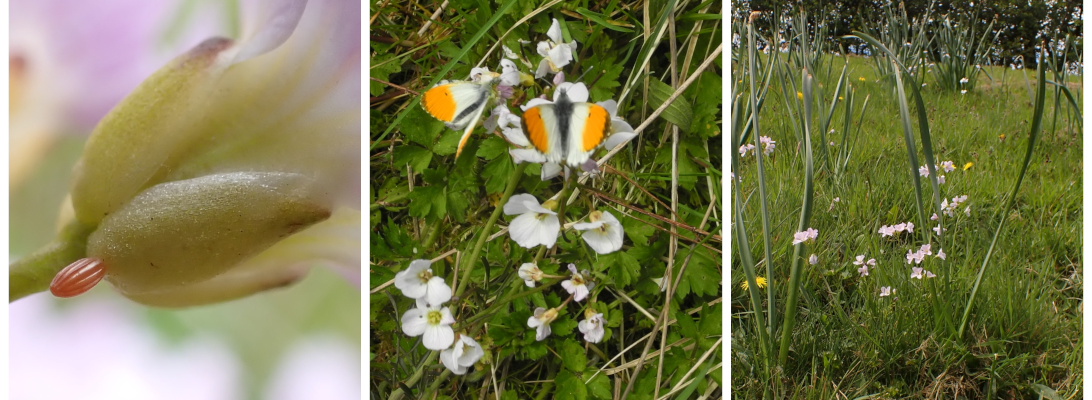
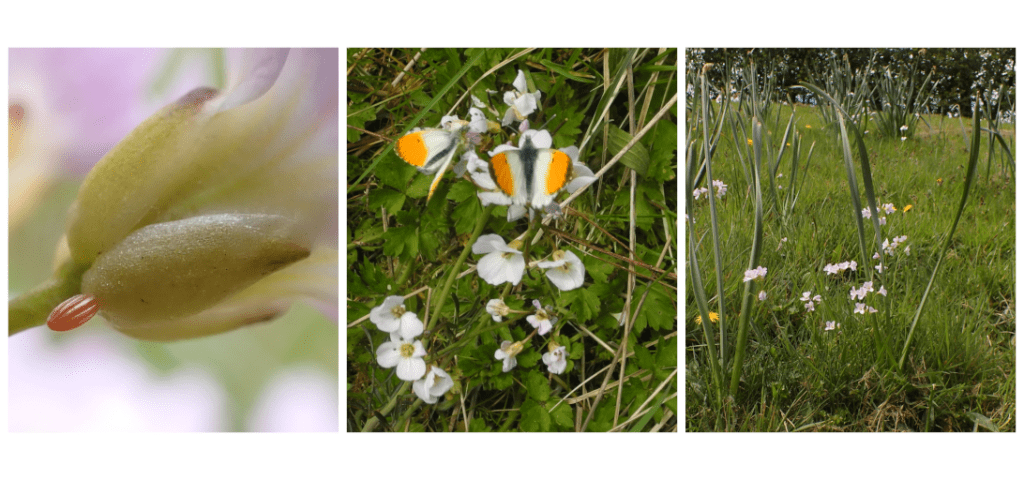
The above image shows progress from the leaves to tiny shoots to flowering plant.

The above image shows an orange tip egg, the male butterflies on the cuckoo flower and cuckoo flower growing in amongst daffodils. Daffodils are usually left to die back before being mown. This is important to allow the caterpillars to find a safe place to overwinter. A nearby hedge is ideal.

So plant not just for pollination but also for Eggs.

For Orange Tips it is Easy.

Wildlife Highlights of 2023

There are a lot of gloomy predictions about the state of wildlife, and it is easy to get depressed, but last year, I was pleased to be involved in positive action.

Butterfly Recording and Out with the Bog Squad

Until now, I have been a reluctant recorder as all I felt I was doing was observing decline. Previously, it did not appear to lead to action. However, after joining Butterfly Conservation this year, I started using the I-Record App for butterflies. It is very straightforward to use, with your records accessible after submitting them.

For the first time, I spotted Green Hairstreak, Small Pearl Bordered Fritillary, and Large Heath butterflies. These are all found in and around peatland sites on the edge of town such as Blantyre Muir, Langlands Moss, and Ardochrig.

Visit the Butterflies of East Kilbride Page to find out more.

Last year, I hoped to see Speckled Woods locally, and much to my surprise, they turned up in Calderglen Country Park.

I am not sure I would have spotted any of these had I not been out recording.

The other benefit of being a member of Butterfly Conservation is being out with the bog squad.

At Langlands Moss, invasive trees that could dry the bog out were removed. Numerous Bog specialists will benefit, such as the Large Heath butterfly. Targeting where to concentrate effort can be achieved by looking at the records supplied by volunteers. So now there is more of an incentive to get involved. Recording need not just be about observing decline, it can lead to positive action.

Snowberry Clearing

Clearing Snowberry bushes appears to be never-ending, and it is hard to see if you are making any impact. But, this year, the Calderglen Volunteer Group did start to see results for all their efforts. After removing a lot of Snowberry from the path heading north to the expressway, there are now views of the river, making the walk more enjoyable.
Another area where there has been significant clearance is the area above Castle Falls. Wildflowers are flourishing, and walking along the trail, the bell pits are much more evident. These are the remains of an early method of mining for lime.
With Scottish Water felling some trees to help divert a drain, more light is now penetrating the woodland.
Could this create an opportunity for Speckled Wood butterflies to move into this area? Now, that would be fantastic.
The Council has also been clearing Snowberry. They have concentrated their efforts in the woods at Morrishall Road. If Speckled Wood Butterflies were to take up residence there as well, that would also be fantastic.
I am optimistic as Speckled Wood Butterflies appear to be increasing their range within Scotland, so fingers crossed.
The woodland also attracted a flycatcher. Being a migratory bird, it was probably a stopover on its flight south.
Like the Speckled Wood Butterfly, flycatchers like open woodland with plenty of light.
With increasing space for native flora and fauna to recover, could a pair be tempted to raise their brood in a local woodland?

A Garden Water Feature is Worth it.

Adding a water feature is a great way to improve your garden for wildlife, but as I created it in mid-summer, I did not expect a lot to happen immediately. The expected drone fly larvae appeared and then the snails and beetles followed. Next was a beautiful damselfly and then a grey wagtail. Also, the reclusive willow warbler was now not so shy. The risk of being out in the open was worthwhile as emerging adult insects were proving to be a tasty snack.
What was a real surprise was a visit from a frog. I was not expecting that quite so soon. Will there be any frog spawn in the spring?
It will not be long before I find out.
Looking for a Winter Retreat

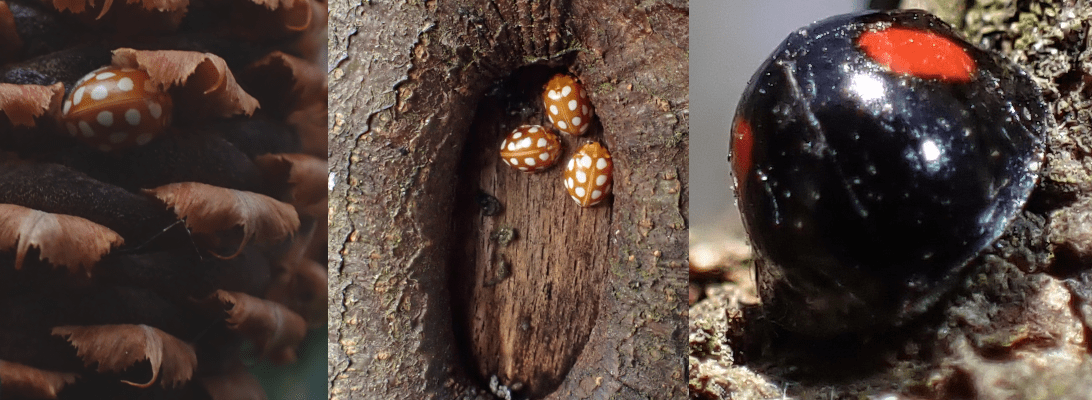
An collage showing three images. the first is n orange ladybird hiding in the scales of a cone. The second is three orange ladybirds overwintering in a tree. the third shows a kidney-spot ladybird.

I found a little orange ladybird, possibly looking for a cozy crevice to spend the winter. It is illustrated below on a type of fir cone. These ladybirds are not often seen. 

Last year I spotted the group illustrated in the middle image huddled on a tree. I am sure they are Orange Ladybirds (Halyzia sedecimguttata). If this is correct, these ladybirds spend most of their time in the leaf canopy, eating mildew and small aphids. That probably explains why I don’t encounter them that often.

This diet of aphids and small insects becomes harder to find during the winter.

So before the weather gets too cold, ladybirds must find a suitable place to spend the winter when they enter a dormant phase. Different species will have their preferred site. Some prefer the crevices found in the bark of a tree, while others find refuge deep in the leaf litter.

I remember visiting a house with a large cluster of ladybirds behind a wooden panel. They had crept in through a crack and, on mass, had decided it was the ideal spot to spend the winter. 

Because of the large number, it did look a bit scary. 

Inside houses are not the ideal place for hibernation. With central heating clicking on, the warmth can wake them up prematurely. Vital energy supplies then get used up in a fruitless search for food. 

 A frost-free garage or shed is a better place for hibernation as the temperature is likely to be constant, and they are less likely to be disturbed. 

I remember it taking a bit of persuasion to reassure the resident that they were not harmful and would disperse in the spring. 

As well as spotting this unusual orange ladybird with cream spots, I have also seen black ladybirds with red splodges on each wing. 

These were at Cathkin Marsh on the Southside of Glasgow. 

There were large numbers of these ladybirds on sallow trees, and had it not been for a more regular visitor pointing them out to me, I would have passed by and not seen them. He explained to me that these were Kidney-Spot Ladybirds (Chilocorus renipustulatus). They get their name from the shape of the splodge on the wing cases.

They are tiny, about 5mm in size, and the other thing to notice is they have a flattened edge that looks a bit like a rim around their wing cases. These ladybirds prefer to overwinter at the base of trees.

Seeing these two ladybirds that are different from the more common red ladybirds with black spots has inspired me to buy a copy of the Field Guide to the Ladybirds of Great Britain and Ireland by Helen Roy and Peter Brown. Next year I am looking forward to finding more Kidney-Spot Ladybirds at Cathkin Marsh and through the autumn will keep an eye out for more hibernating orange ladybirds.

Overlooked

Local orchids are often attractive with their pretty bright pinks, purples, and even yellows.
But here are two orchids that are not bright and arguably not particularly attractive, making it easy to overlook them.
One is the Broad Leaved Helleborine, a drab-looking plant, mainly green, producing small dark pink/purple flowers.
If you look for it, you can find it in many different places, such as woodlands, hedgerows, and roadsides.
Once you spot it for the first time, you will keep seeing it.
It is now so common around Glasgow that it is called the Glasgow Orchid.
Another drab-looking orchid is the Bird’s Nest Orchid.
The name comes from the tangle of roots that are supposed to resemble a bird’s nest. These roots are necessary, as, unlike most plants, there is no green in the plant’s foliage, so no chlorophyll is present to enable it to make sugars. Instead, it relies on the presence of a particular fungus in the soil for its nutrients. This fungus, in turn, attaches itself to trees such as beech for its nutrients.
Specimens did occur on the South Trail, Calderglen Country Park in East Kilbride. Sadly these have not been seen for some time.
The illustrated specimen above was seen recently in dense woodland in the Calderwood area within the north end of Calderglen Country Park.
Its preference for dense shade and specific growing conditions make the Birds nest Orchid hard to spot, so unlike the Broad Leaved Helleborine, it is rarely seen. Therefore few records exist, suggesting it is rare, but could that be due to under-recording?
So while out exploring, be aware of what you can easily overlook.

A Butterfly of Hope

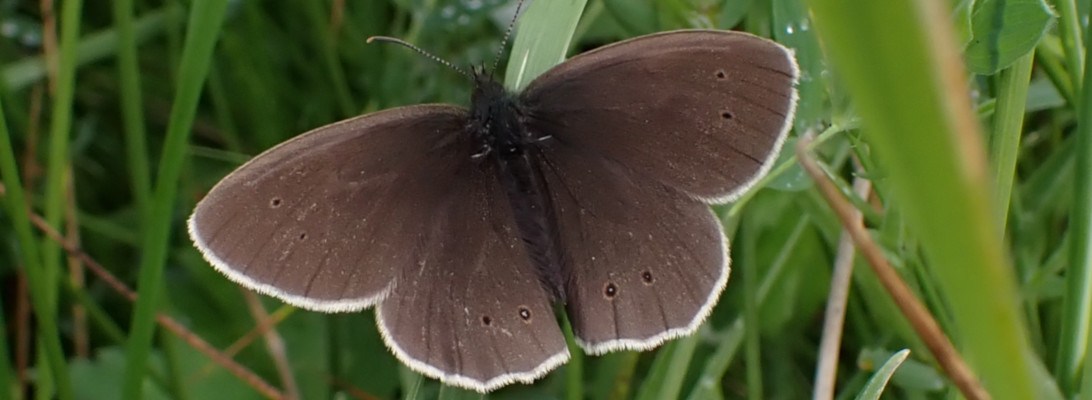
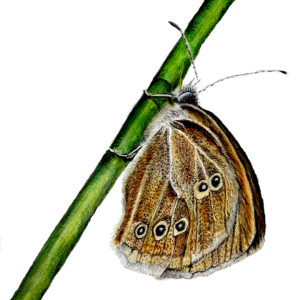
A brown ringlet butterfly

Hope in the form of a butterfly.

During the summer, I often see this little chocolate brown butterfly fluttering over tall, lush damp grassland, even in wet weather. 

The distinctive rings that are on the wings are what give it the descriptive name, the ringlet

These butterflies are quite common, but this was not always the case. 

Until relatively recently, it was a butterfly that I had rarely seen.

 My first sighting, I remember, was while out walking at Ardochrig just above Auldhouse near East Kilbride. 

Having read the recently published book, Discovering Scotland’s Butterflies by Paul Kirkland, it appears that during the 1970s, this butterfly was spreading north, reclaiming territory. 

According to the book, records from the 19th Century show that it was present South of a line from Skye to the Lothians. 

It then describes how in the 20th Century, a decline had set in, suggesting that air pollution may have been the cause. 

Now during the summer, while walking amongst the tall grass, I see it almost every time. 

The growth in coarse grasses such as Cocks foot and Tufted Hair grass will have aided its ability to reclaim former territory, but so will climate change. 

Milder winters will also make it easier for caterpillars to overwinter.

It is easy to get disillusioned by what often appears to be a constant stream of bad news stories, but the change in this little butterfly’s fortune gives me hope.