There are a lot of gloomy predictions about the state of wildlife, and it is easy to get depressed, but last year, I was pleased to be involved in positive action.
Butterfly Recording and Out with the Bog Squad
Until now, I have been a reluctant recorder as all I felt I was doing was observing decline. Previously, it did not appear to lead to action. However, after joining Butterfly Conservation this year, I started using the I-Record App for butterflies. It is very straightforward to use, with your records accessible after submitting them.
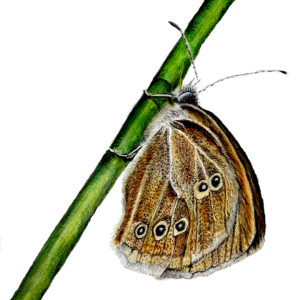
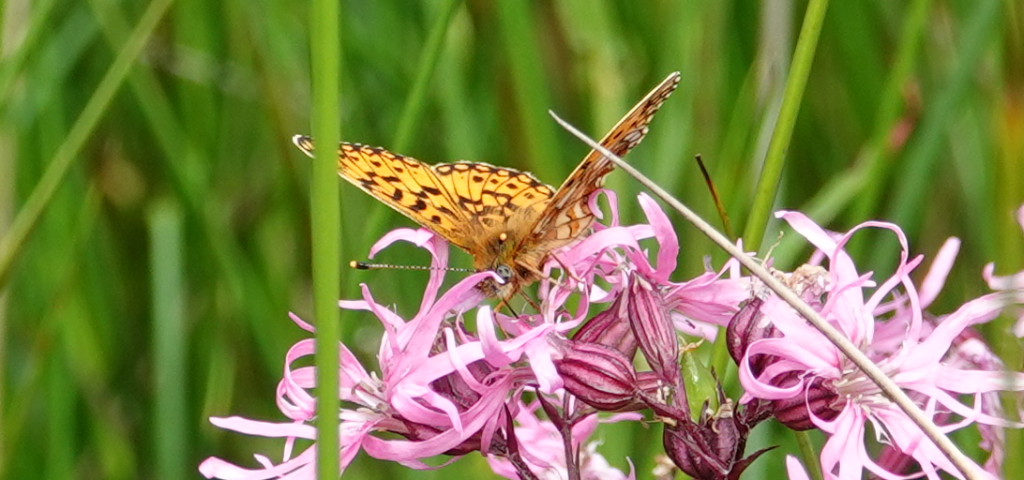
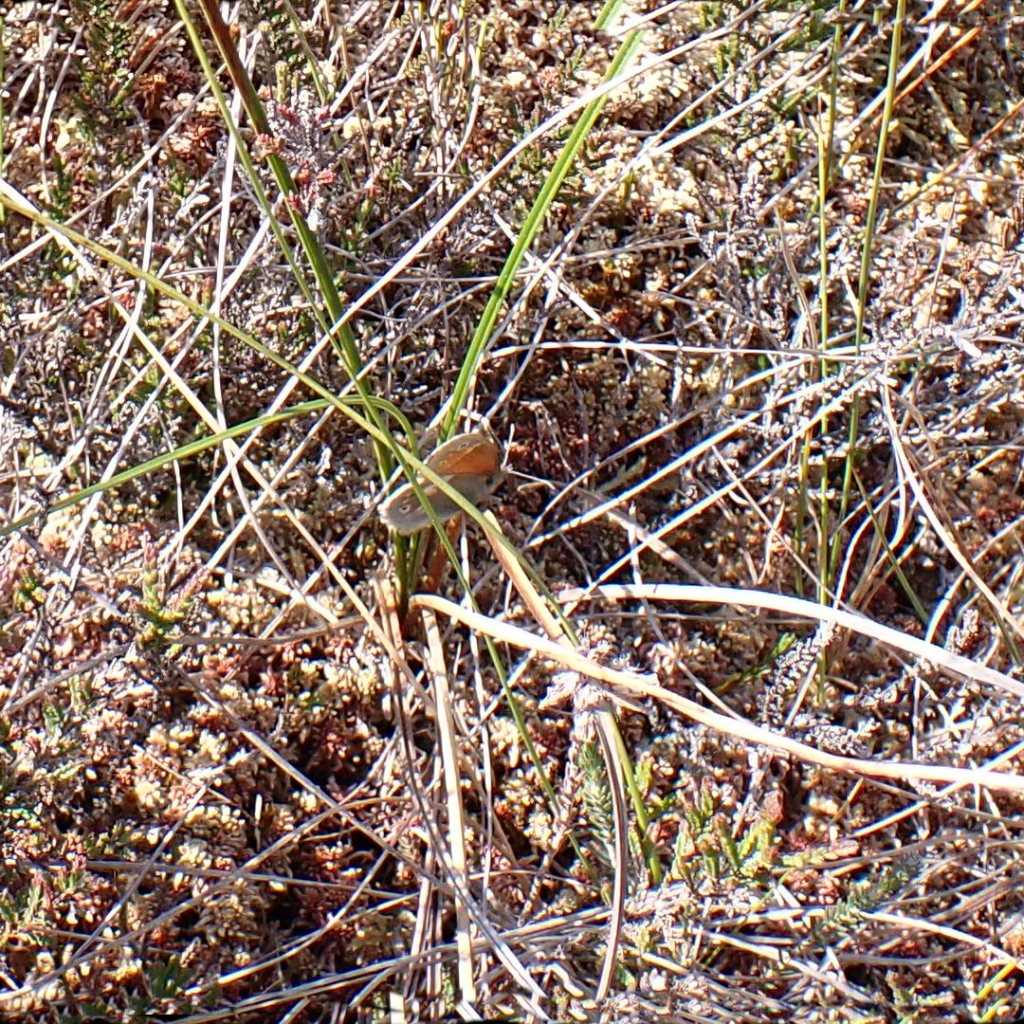
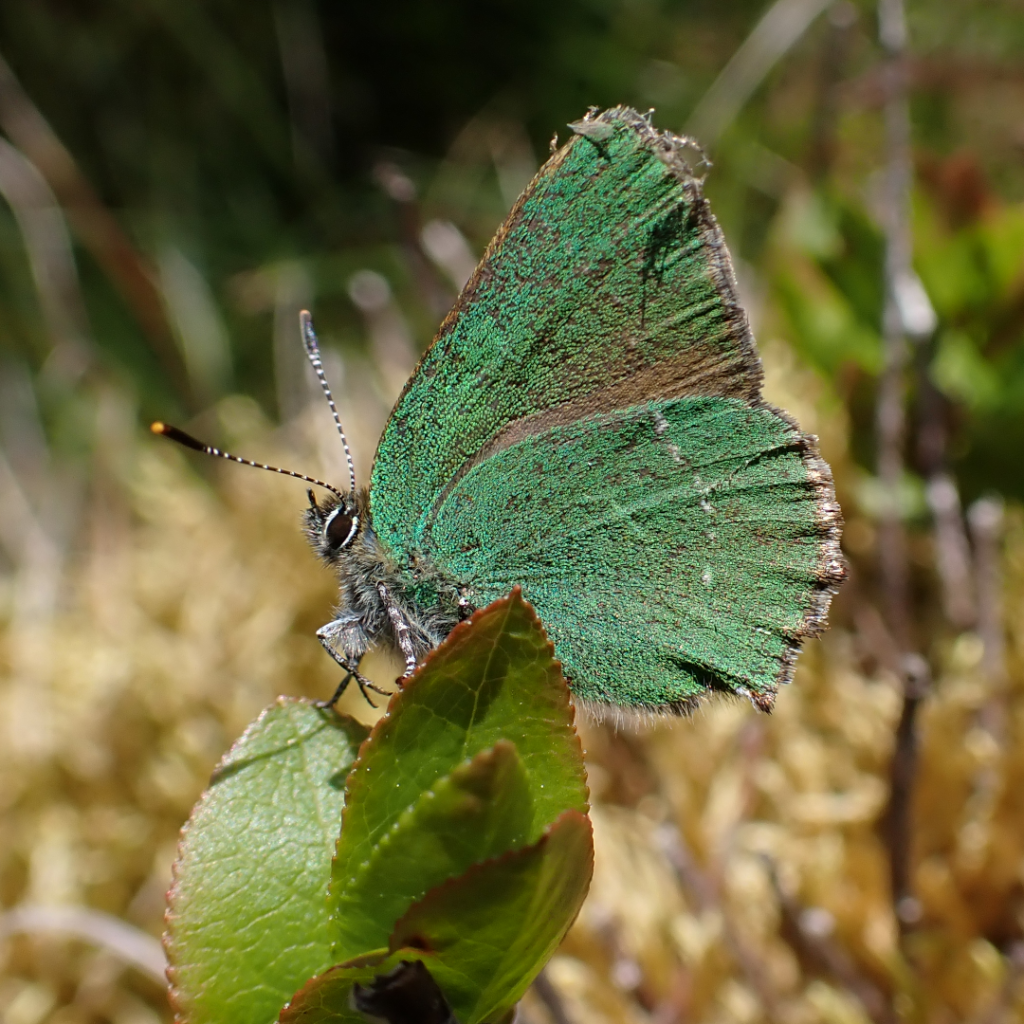
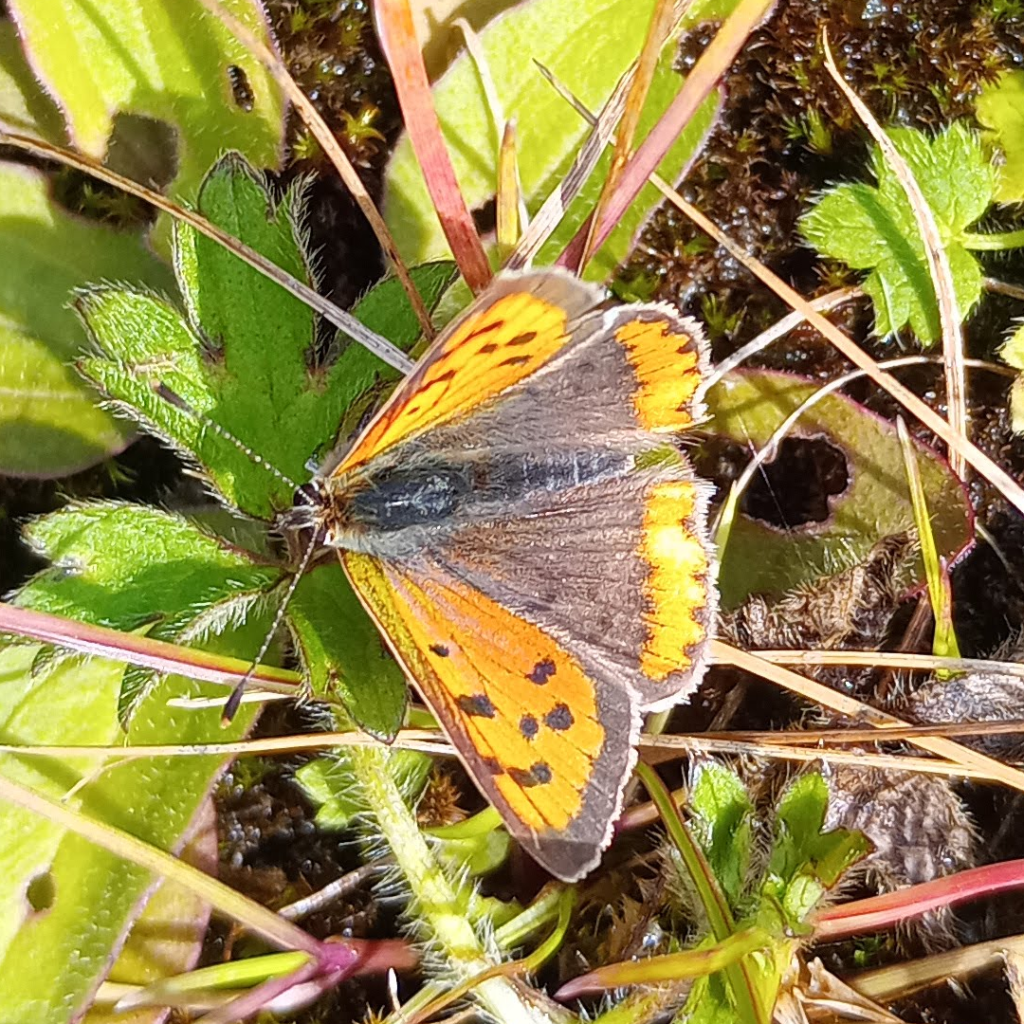
For the first time, I spotted Green Hairstreak, Small Pearl Bordered Fritillary, and Large Heath butterflies. These are all found in and around peatland sites on the edge of town such as Blantyre Muir, Langlands Moss, and Ardochrig.
Visit the Butterflies of East Kilbride Page to find out more.
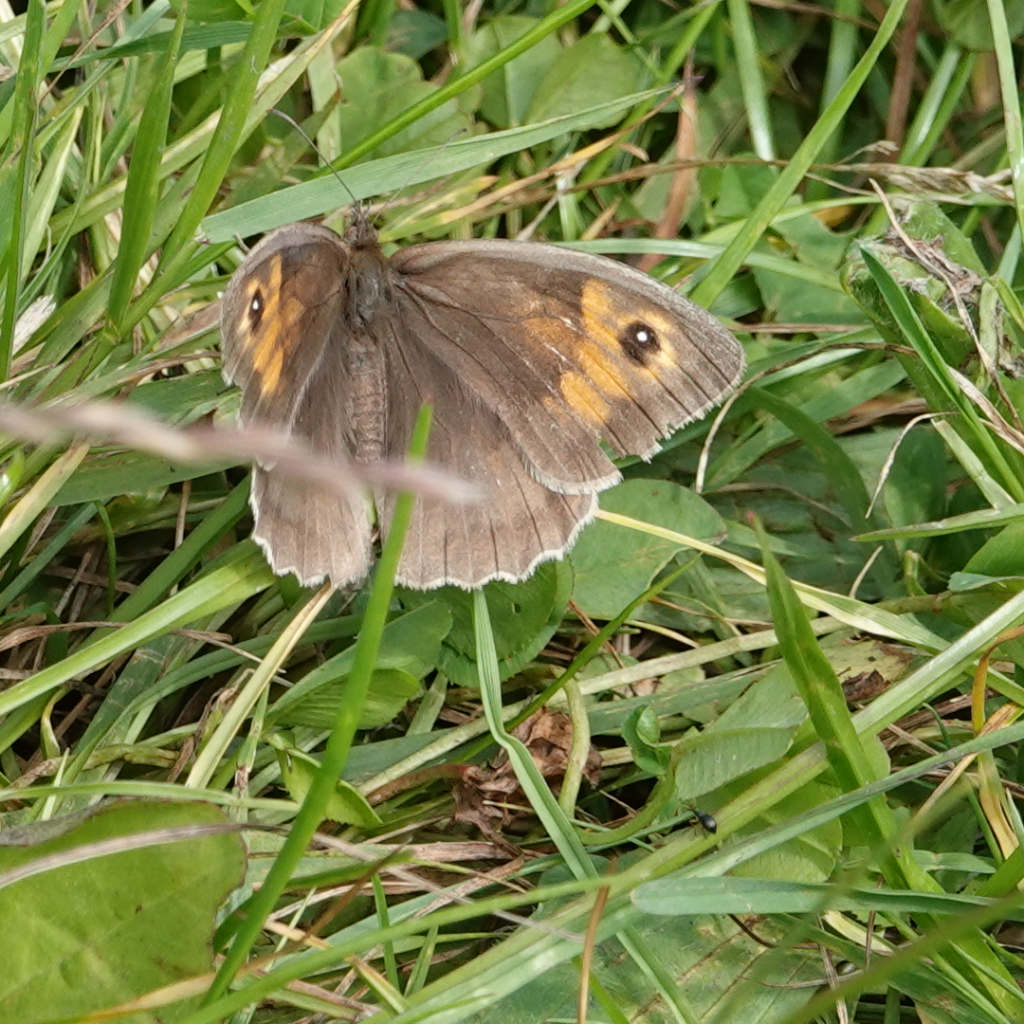
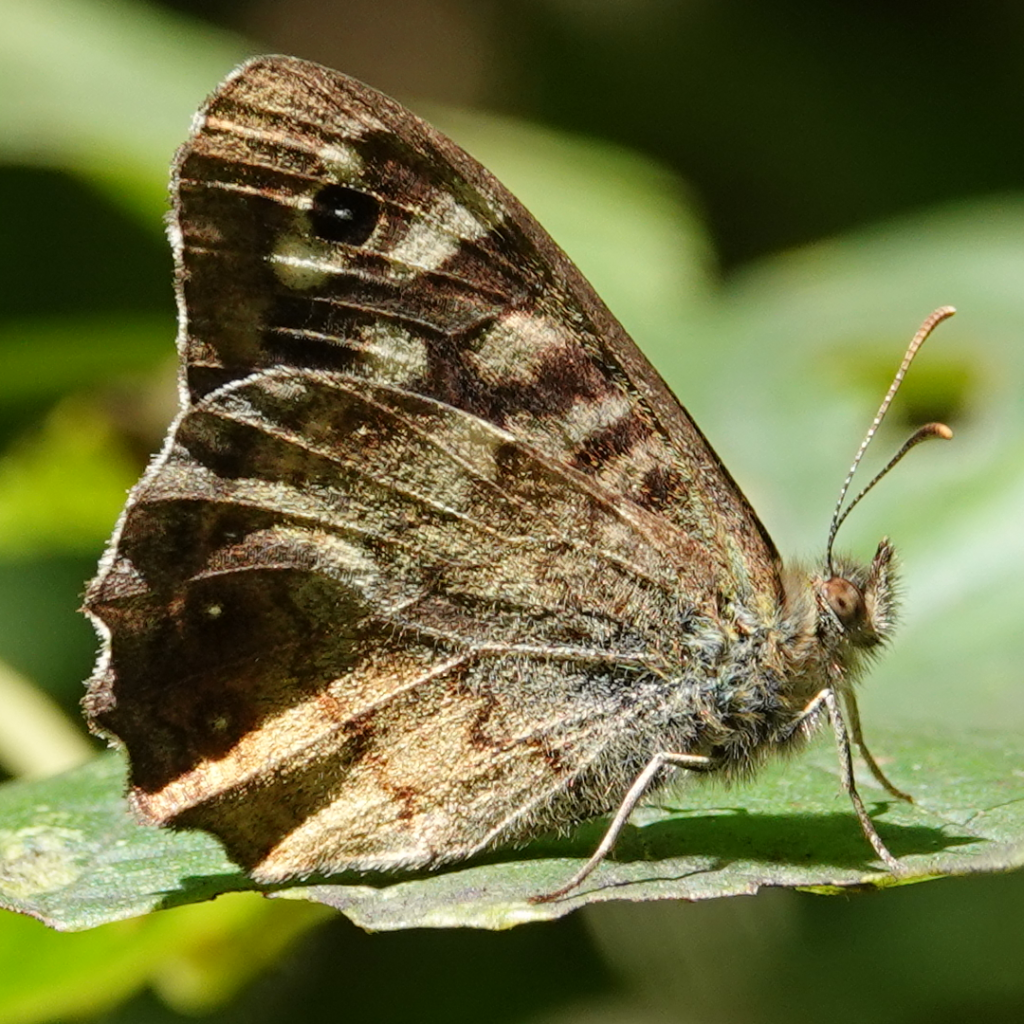
Last year, I hoped to see Speckled Woods locally, and much to my surprise, they turned up in Calderglen Country Park.
I am not sure I would have spotted any of these had I not been out recording.
The other benefit of being a member of Butterfly Conservation is being out with the bog squad.
At Langlands Moss, invasive trees that could dry the bog out were removed. Numerous Bog specialists will benefit, such as the Large Heath butterfly. Targeting where to concentrate effort can be achieved by looking at the records supplied by volunteers. So now there is more of an incentive to get involved. Recording need not just be about observing decline, it can lead to positive action.
Snowberry Clearing
Clearing Snowberry bushes appears to be never-ending, and it is hard to see if you are making any impact. But, this year, the Calderglen Volunteer Group did start to see results for all their efforts. After removing a lot of Snowberry from the path heading north to the expressway, there are now views of the river, making the walk more enjoyable.
Another area where there has been significant clearance is the area above Castle Falls. Wildflowers are flourishing, and walking along the trail, the bell pits are much more evident. These are the remains of an early method of mining for lime.
With Scottish Water felling some trees to help divert a drain, more light is now penetrating the woodland.
Could this create an opportunity for Speckled Wood butterflies to move into this area? Now, that would be fantastic.
The Council has also been clearing Snowberry. They have concentrated their efforts in the woods at Morrishall Road. If Speckled Wood Butterflies were to take up residence there as well, that would also be fantastic.
I am optimistic as Speckled Wood Butterflies appear to be increasing their range within Scotland, so fingers crossed.
The woodland also attracted a flycatcher. Being a migratory bird, it was probably a stopover on its flight south.
Like the Speckled Wood Butterfly, flycatchers like open woodland with plenty of light.
With increasing space for native flora and fauna to recover, could a pair be tempted to raise their brood in a local woodland?
A Garden Water Feature is Worth it.
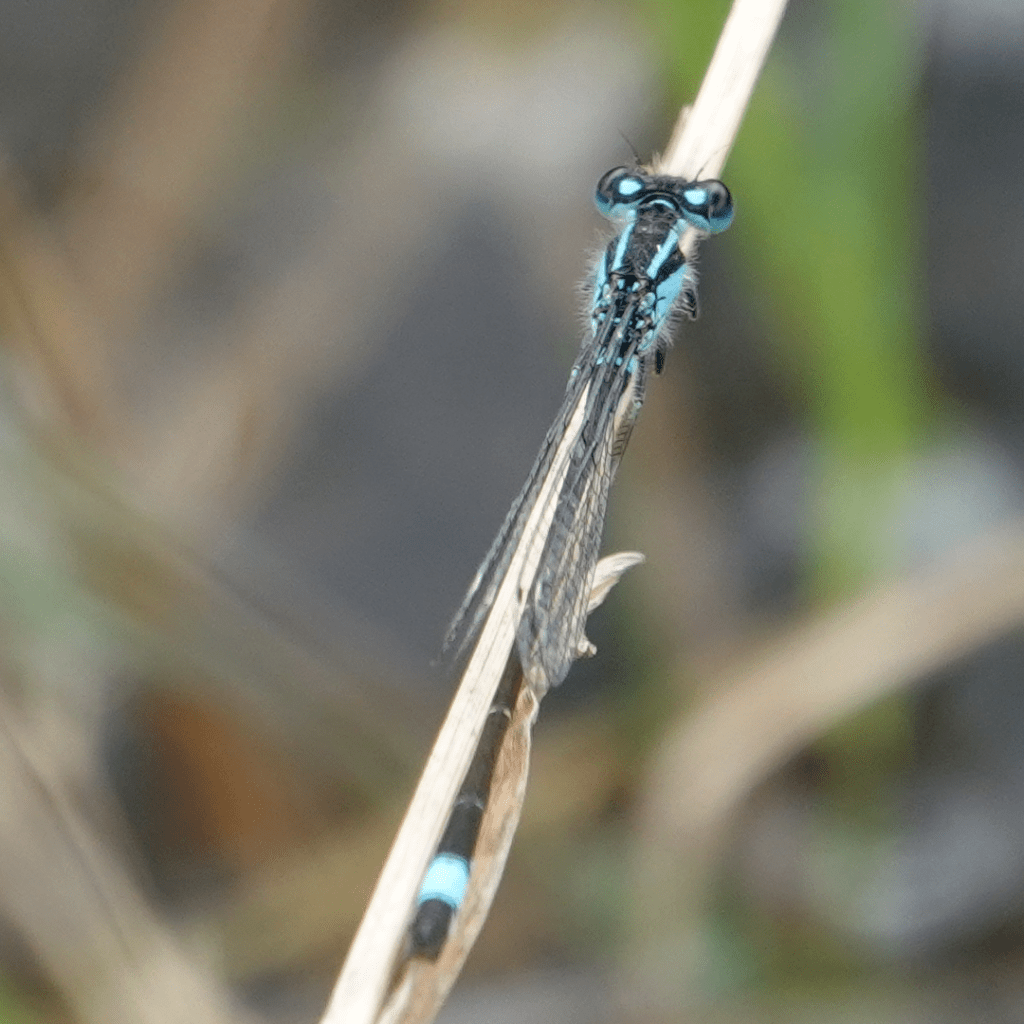
Adding a water feature is a great way to improve your garden for wildlife, but as I created it in mid-summer, I did not expect a lot to happen immediately. The expected drone fly larvae appeared and then the snails and beetles followed. Next was a beautiful damselfly and then a grey wagtail. Also, the reclusive willow warbler was now not so shy. The risk of being out in the open was worthwhile as emerging adult insects were proving to be a tasty snack.
What was a real surprise was a visit from a frog. I was not expecting that quite so soon. Will there be any frog spawn in the spring?
It will not be long before I find out.


 Incredibly Wild East Kilbride