Summer Highs and Lows

Poor weather has not made it easy to get out and find butterflies.

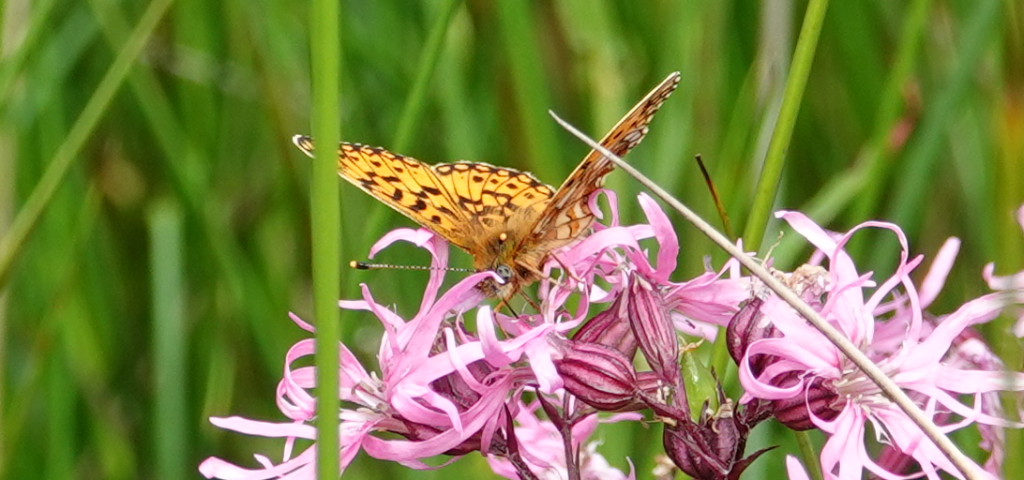
The Small Pearl-Bordered Fritillaries were spotted only on Blantyre Muir as there was no opportunity to try and look for them on other sites.

Suitable weather conditions to find Large Heath Butterflies did not occur on the days when I was available.

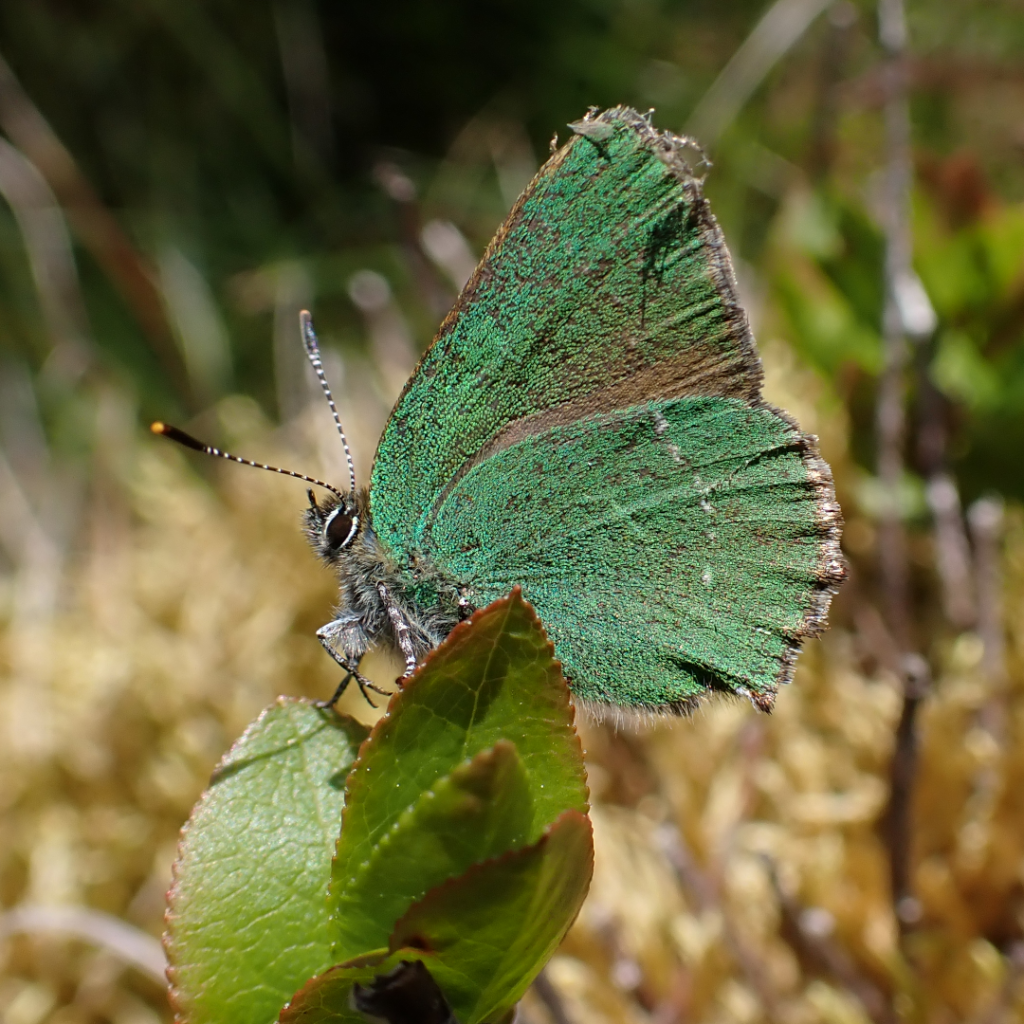
With the cool weather in the spring, I only managed to spot Green Hairstreak Butterflies on Langlands Moss and nowhere else. The opportunity was not there to see how they were doing on Blantyre Muir.

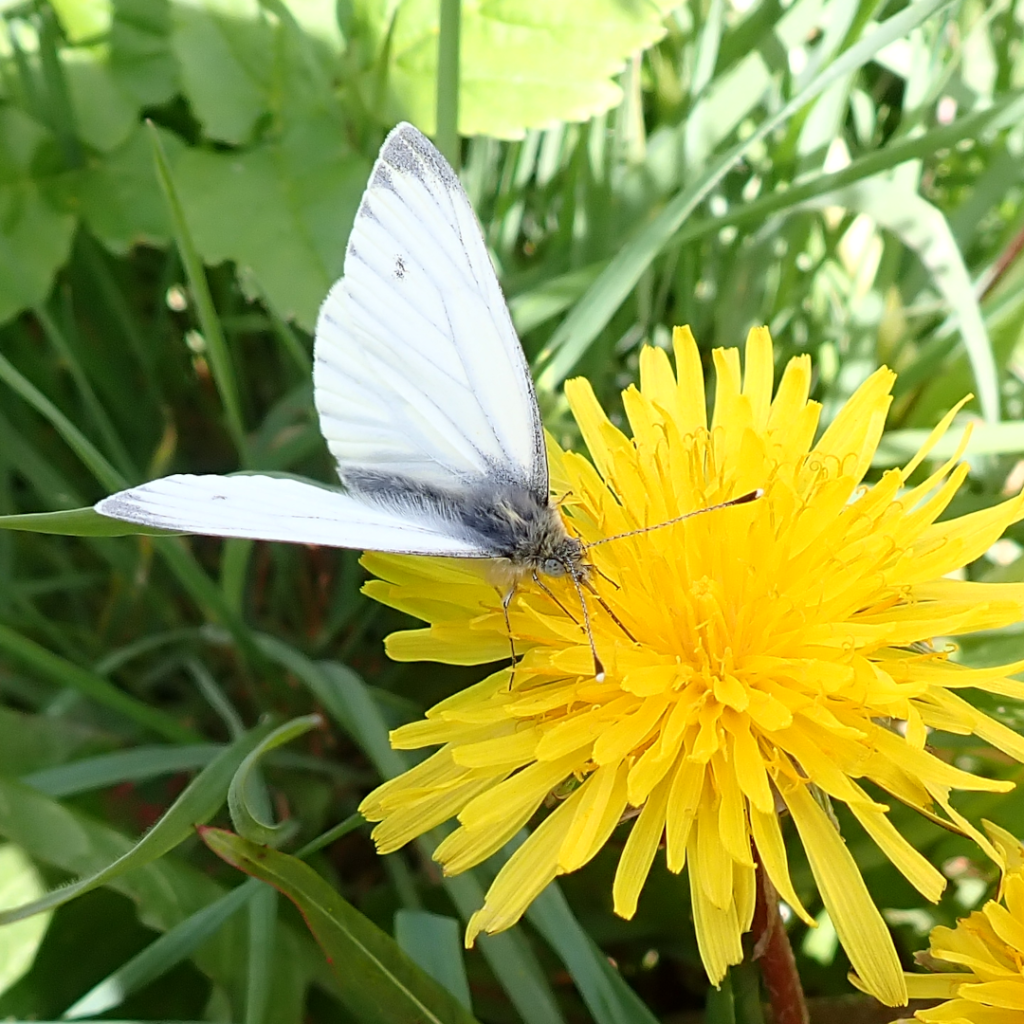
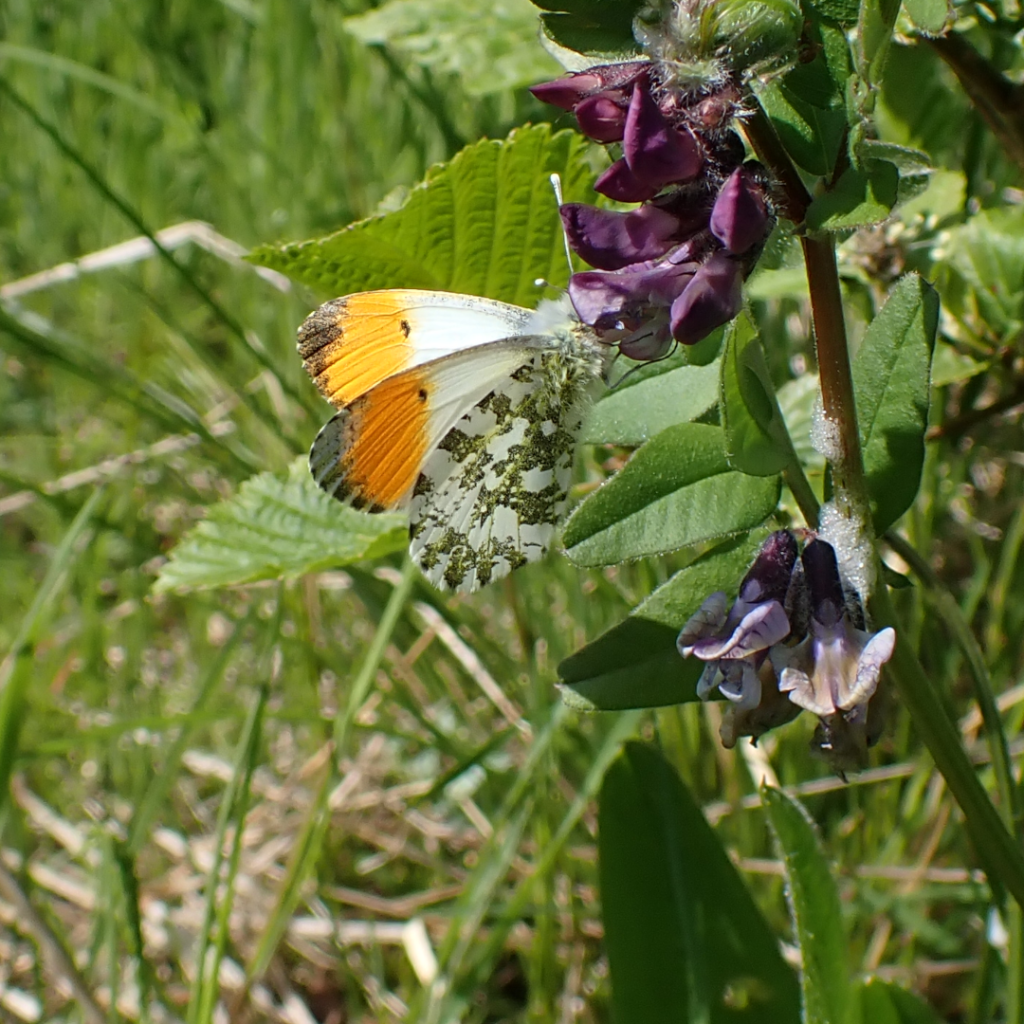
Green-Veined Whites and Orange Tips were also spotted, with Orange Tips being more numerous, in my view, than last year.

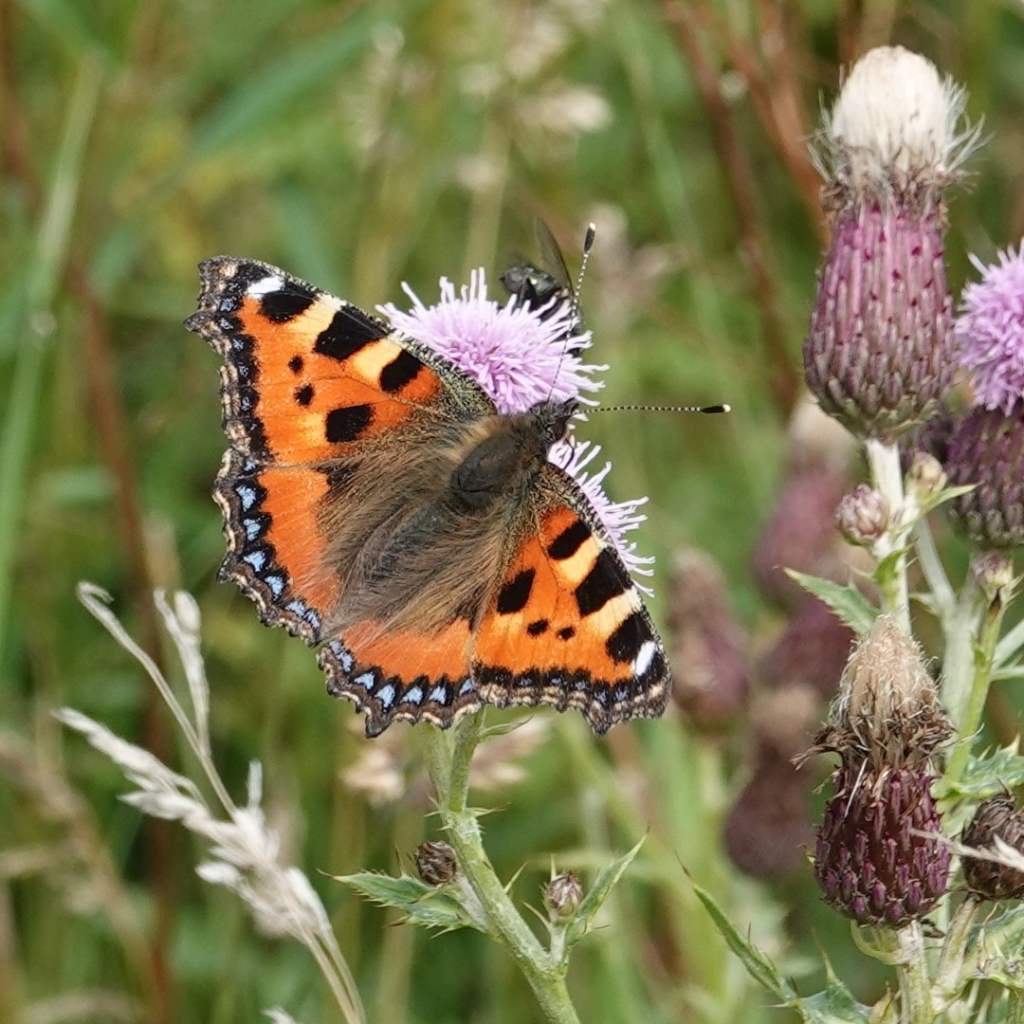
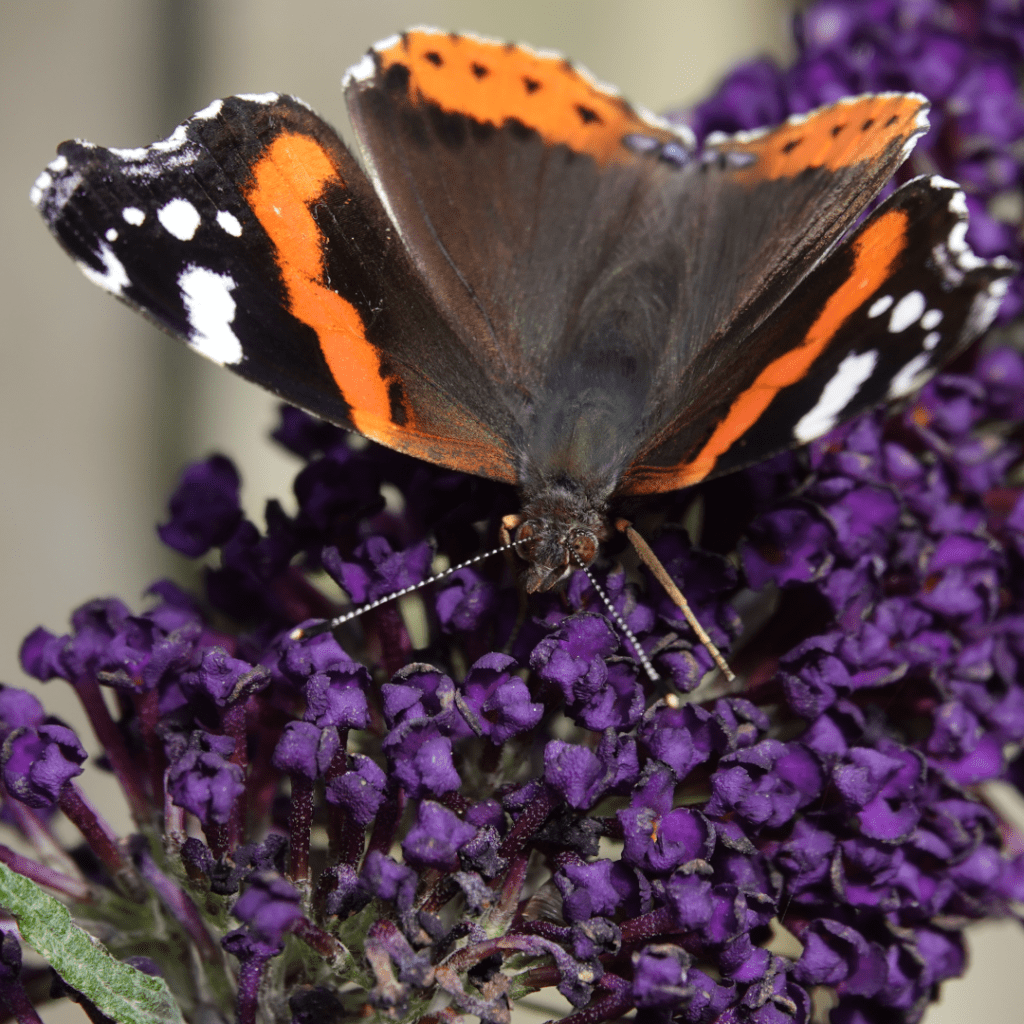
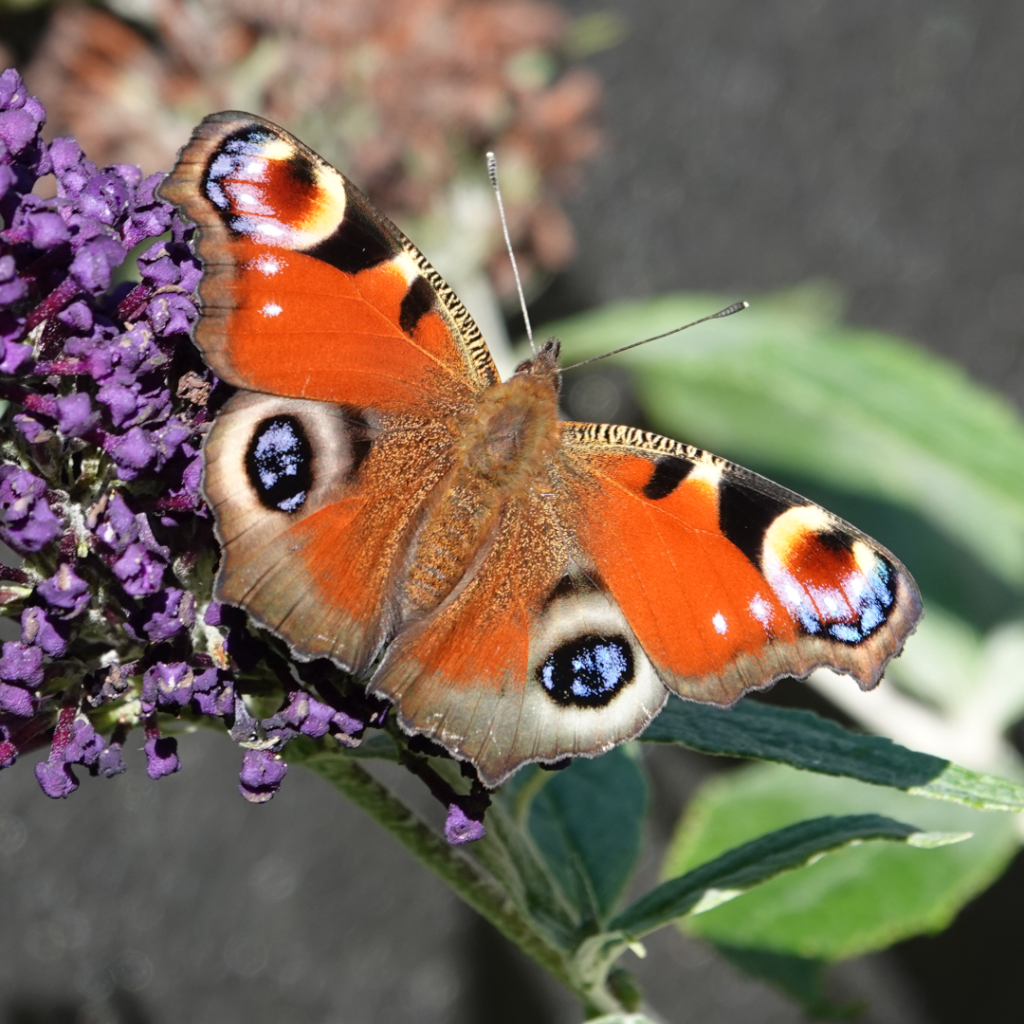
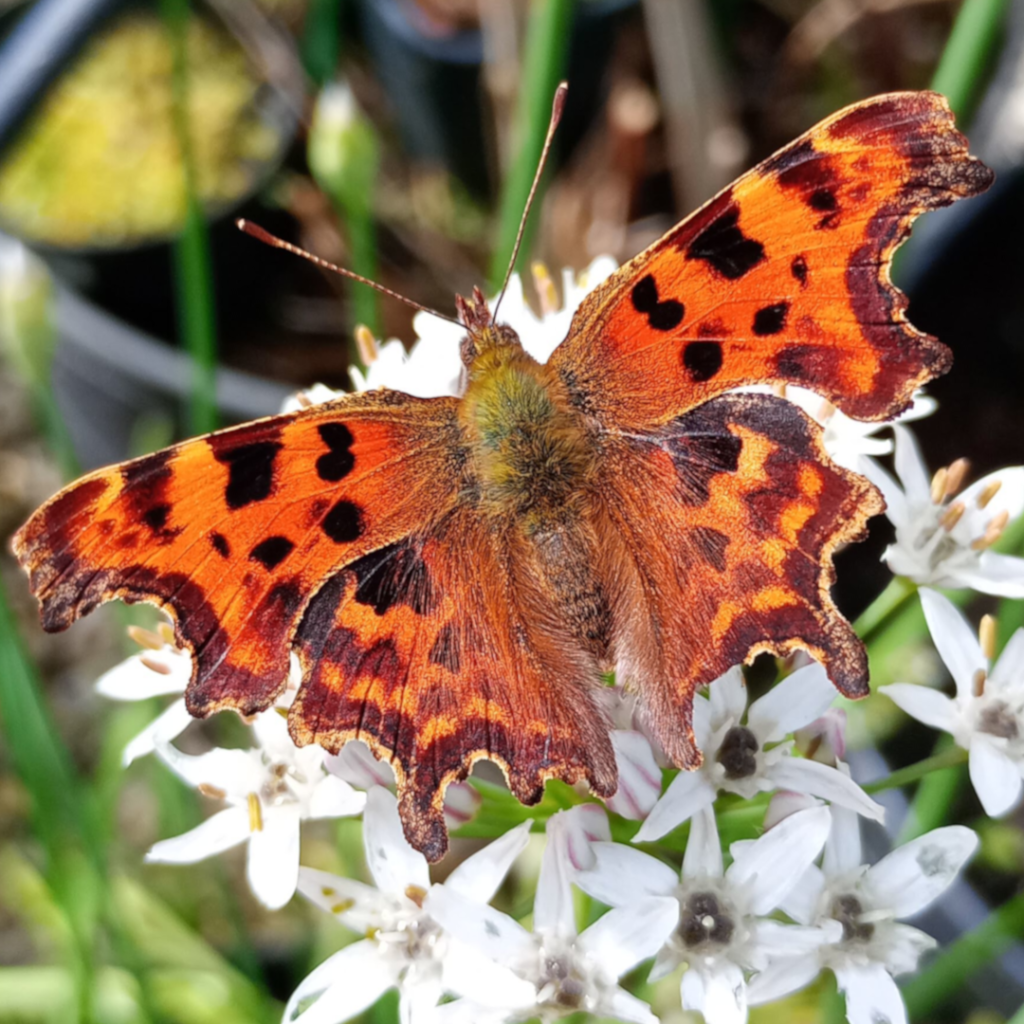
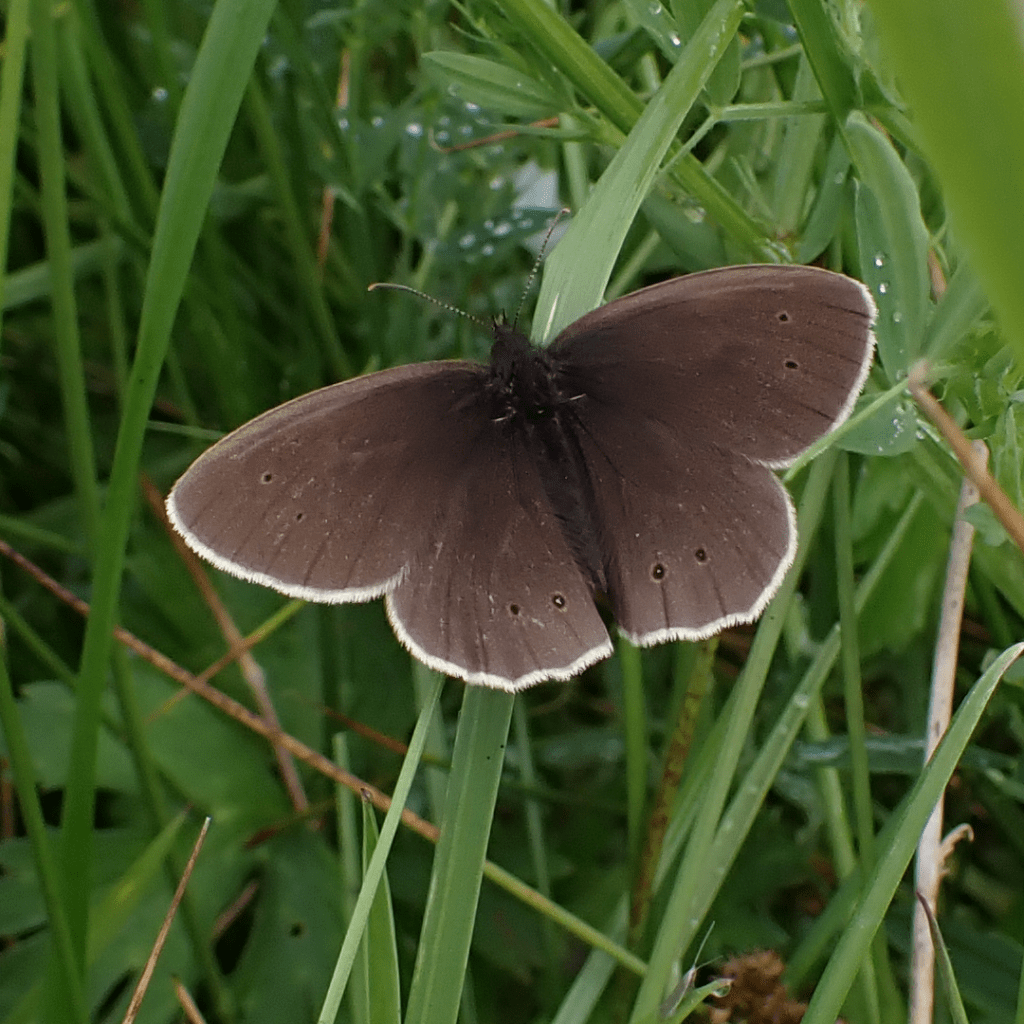
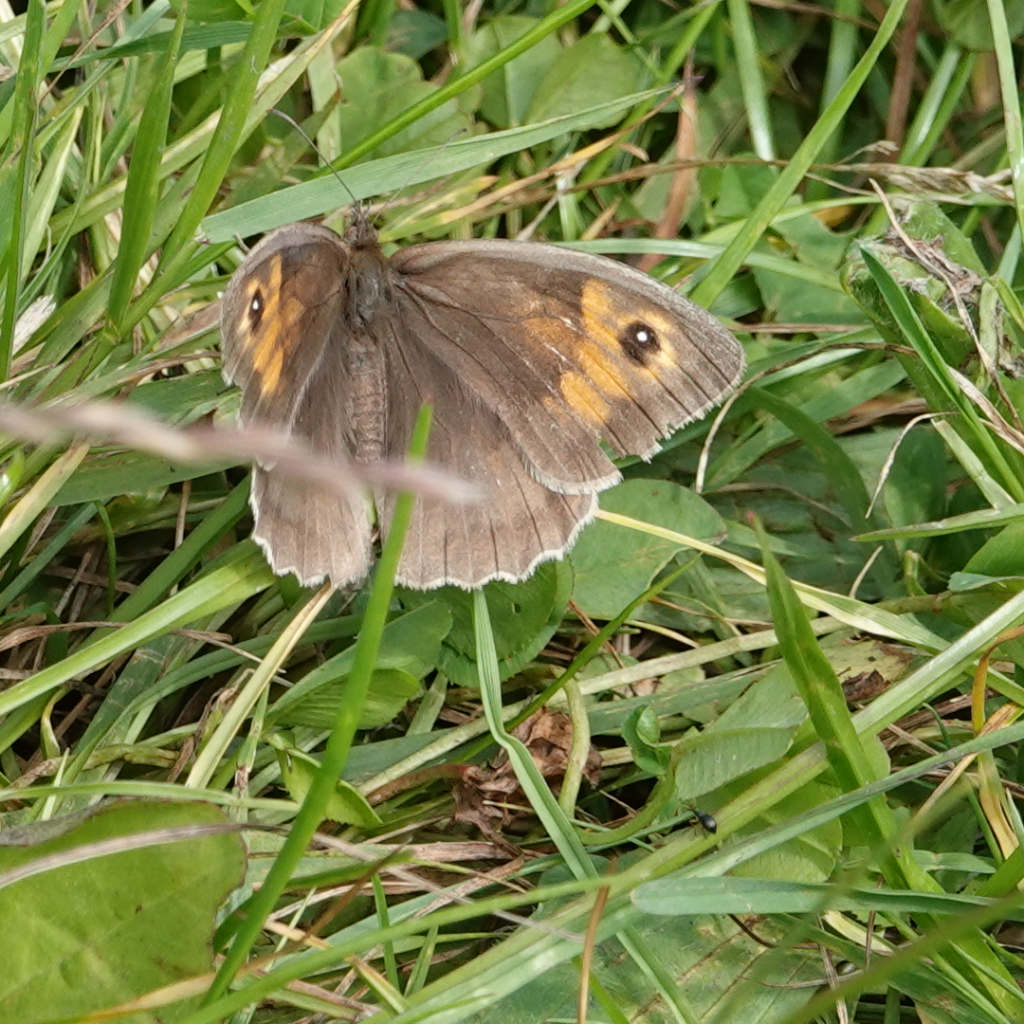
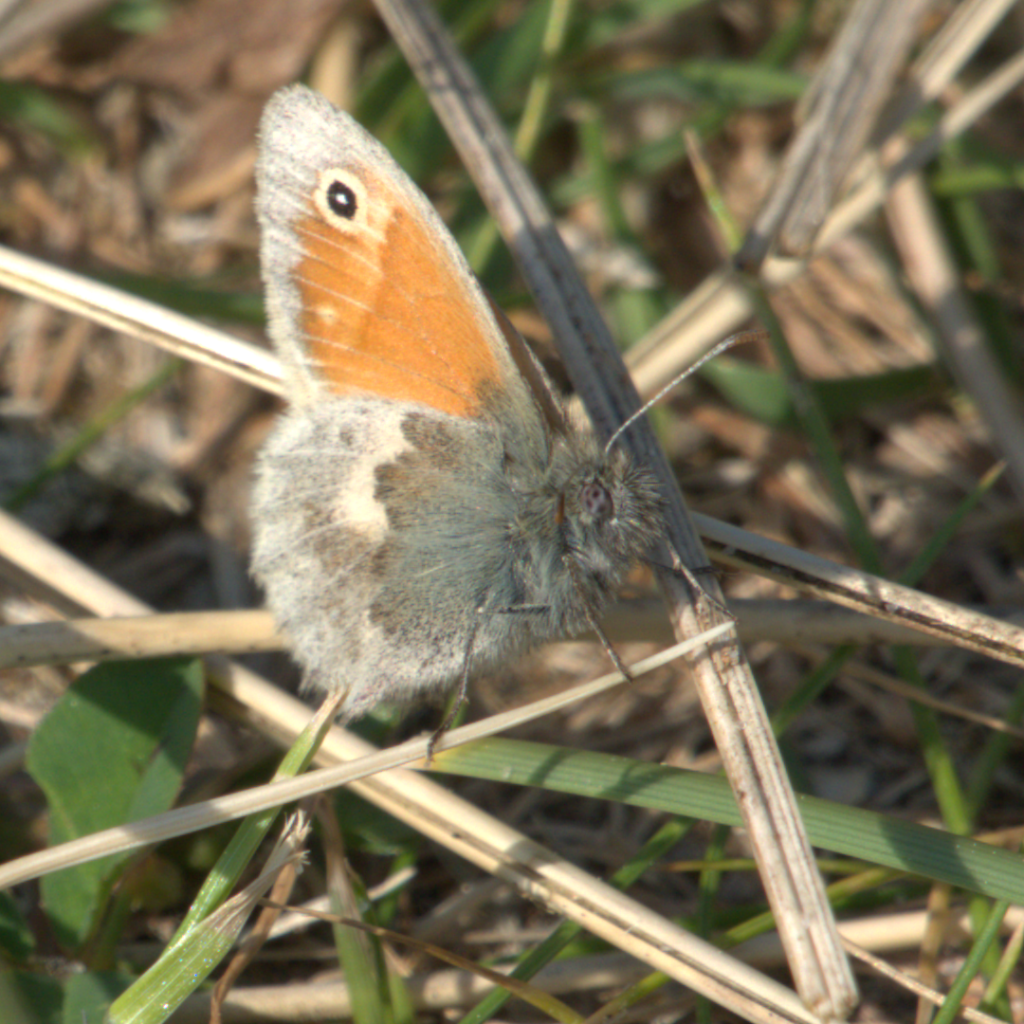
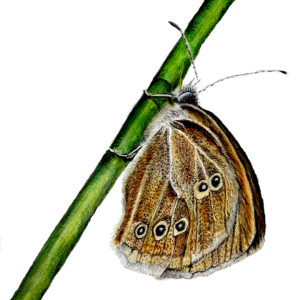
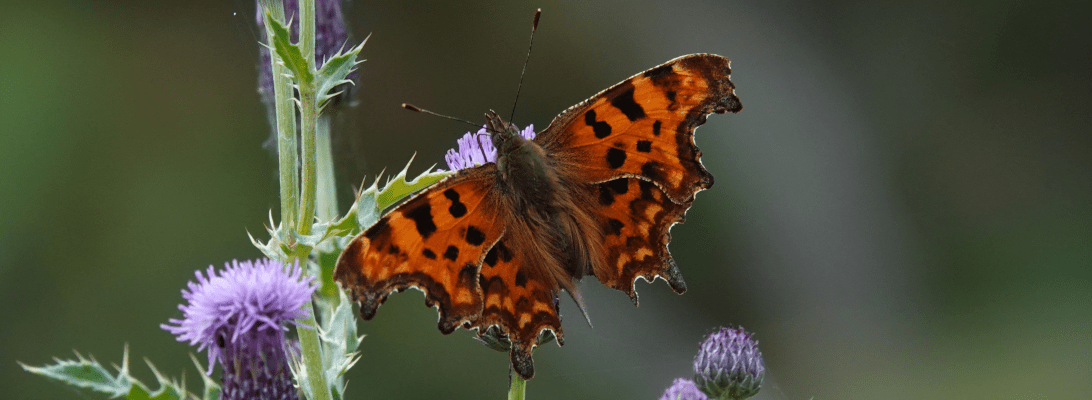
The other common butterflies spotted were the Small Tortoiseshell, Red Admiral, Comma, Ringlet, Meadow Brown, Small Heath, and Peacock. Sadly, the number of sightings was down from last year.
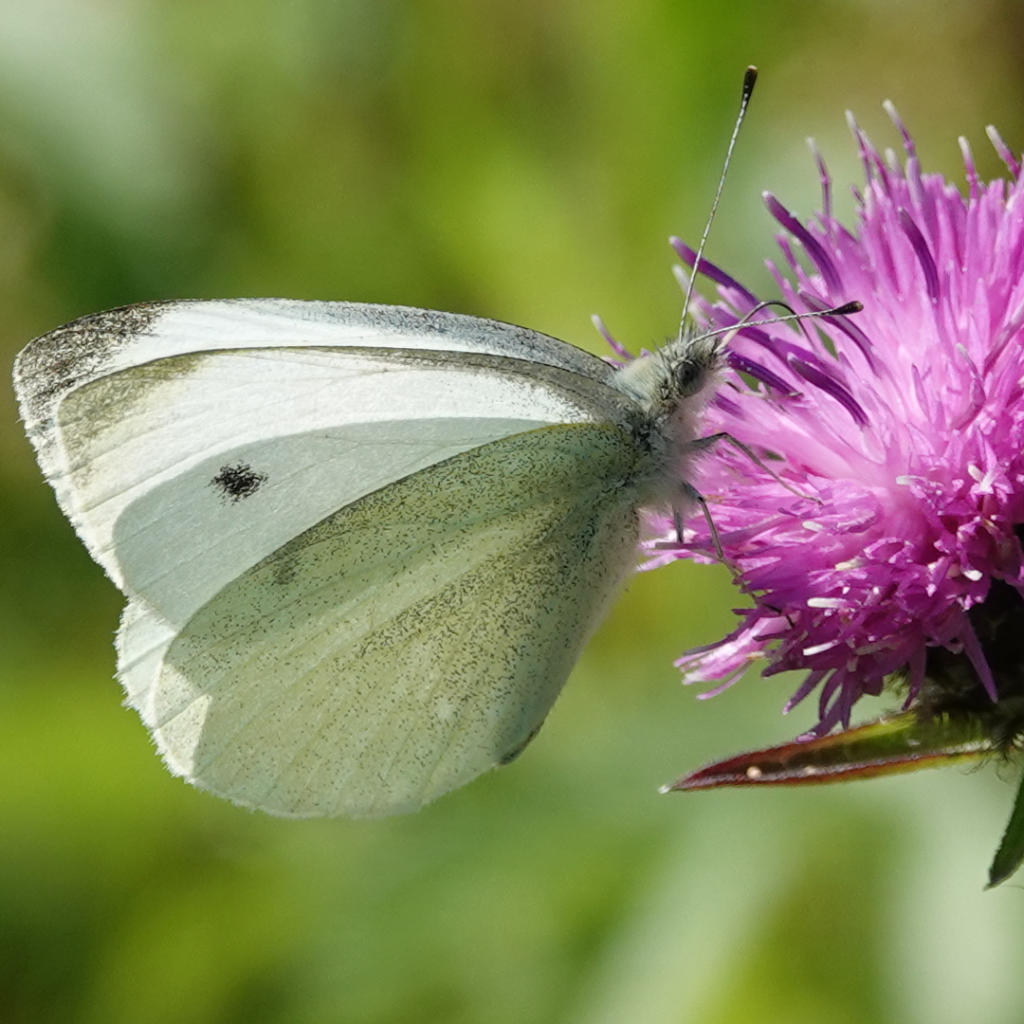
As for the Cabbage Whites, both Small and Large White, the best place to see them was on allotments.

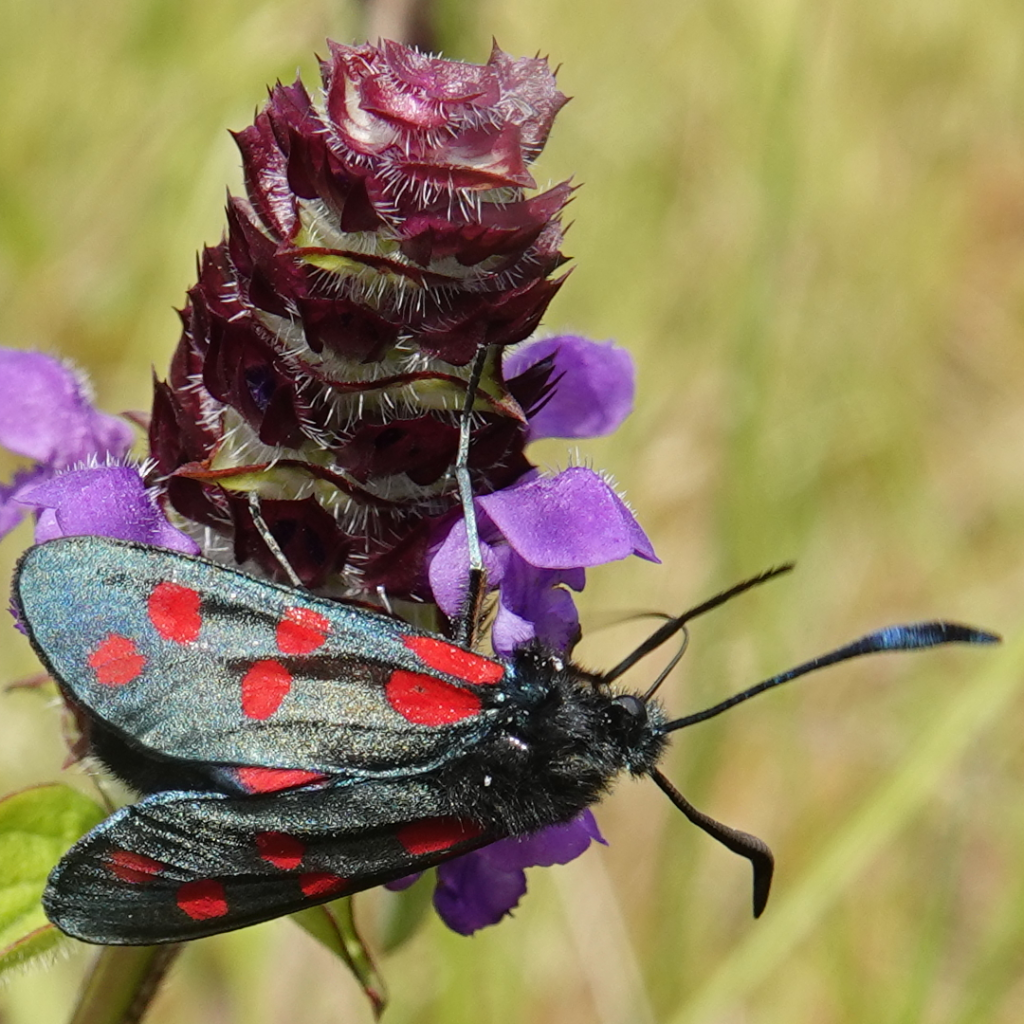
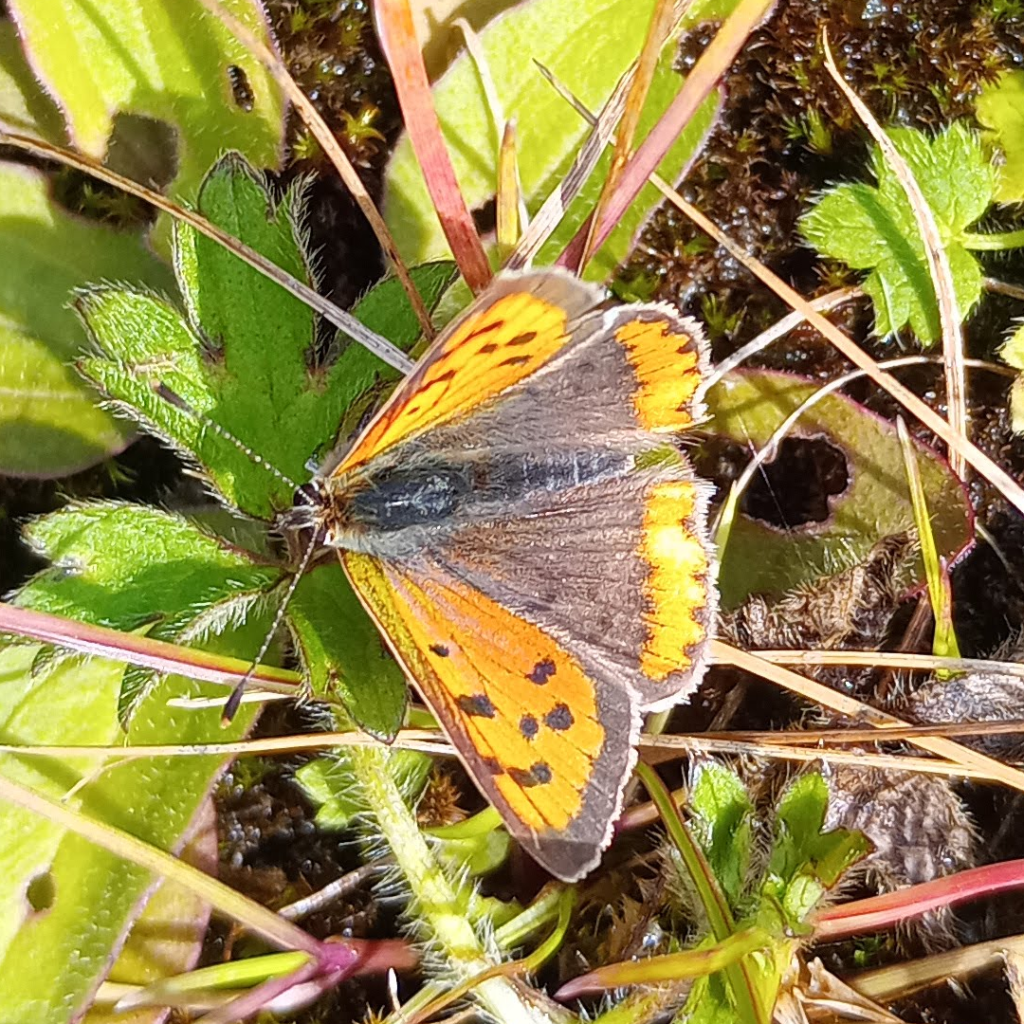
On a more positive note, the Small Copper Butterfly, a tiny butterfly that is hard to spot, was seen along with Burnet Moths at Glen Esk Pocket Park.

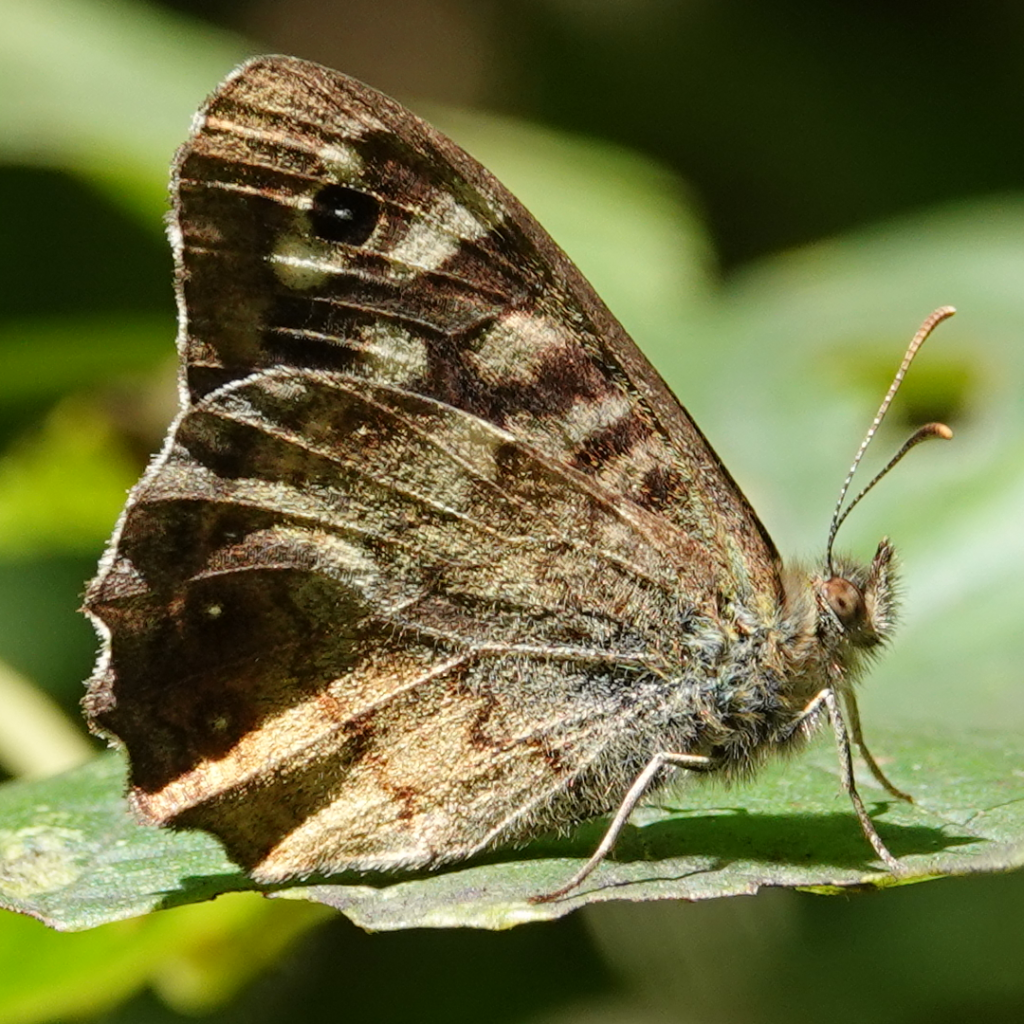
However, the biggest surprise was the Speckled Wood Butterfly, with sightings at Calderwood, Brancumhall, and West Mains. This butterfly does appear to be increasing its range.

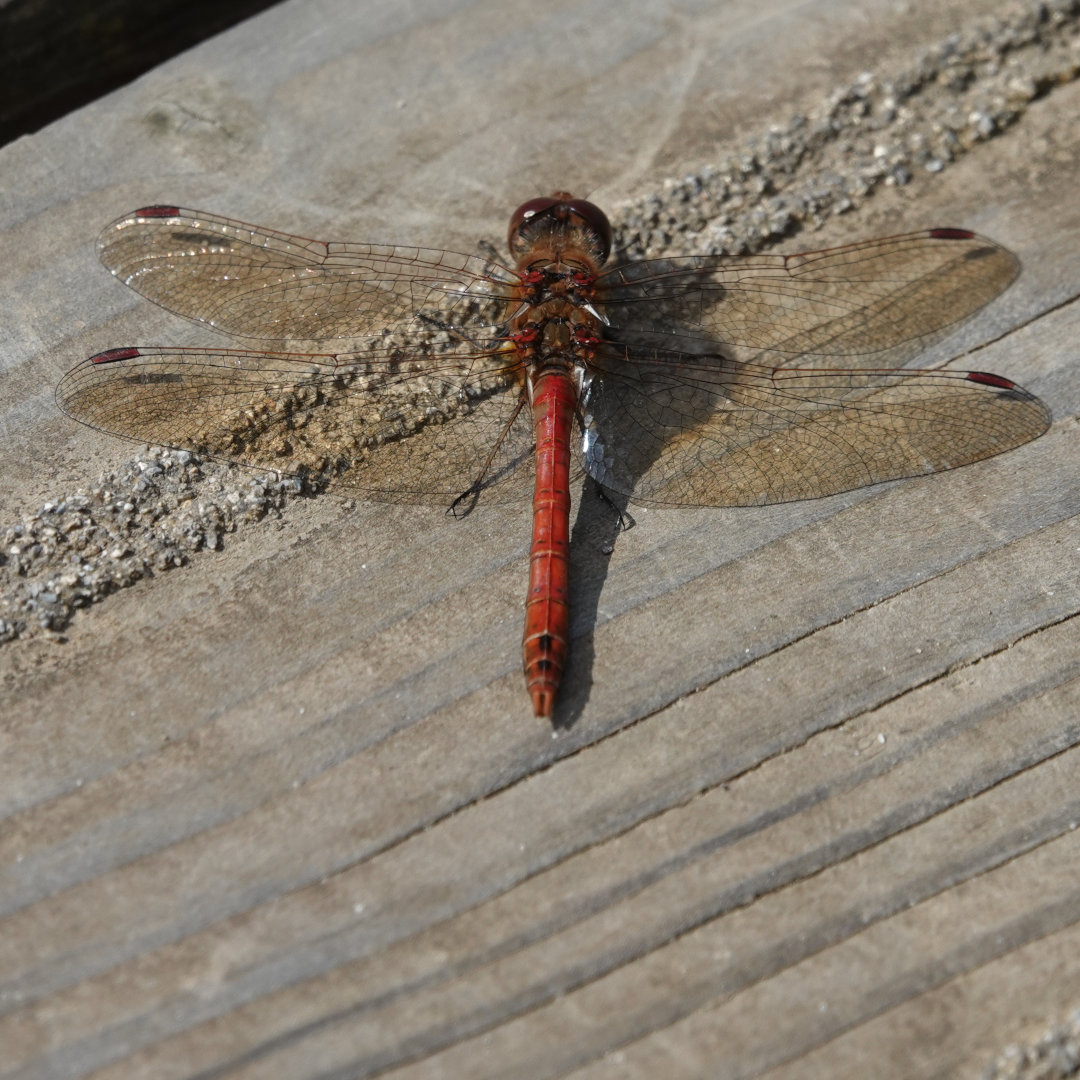
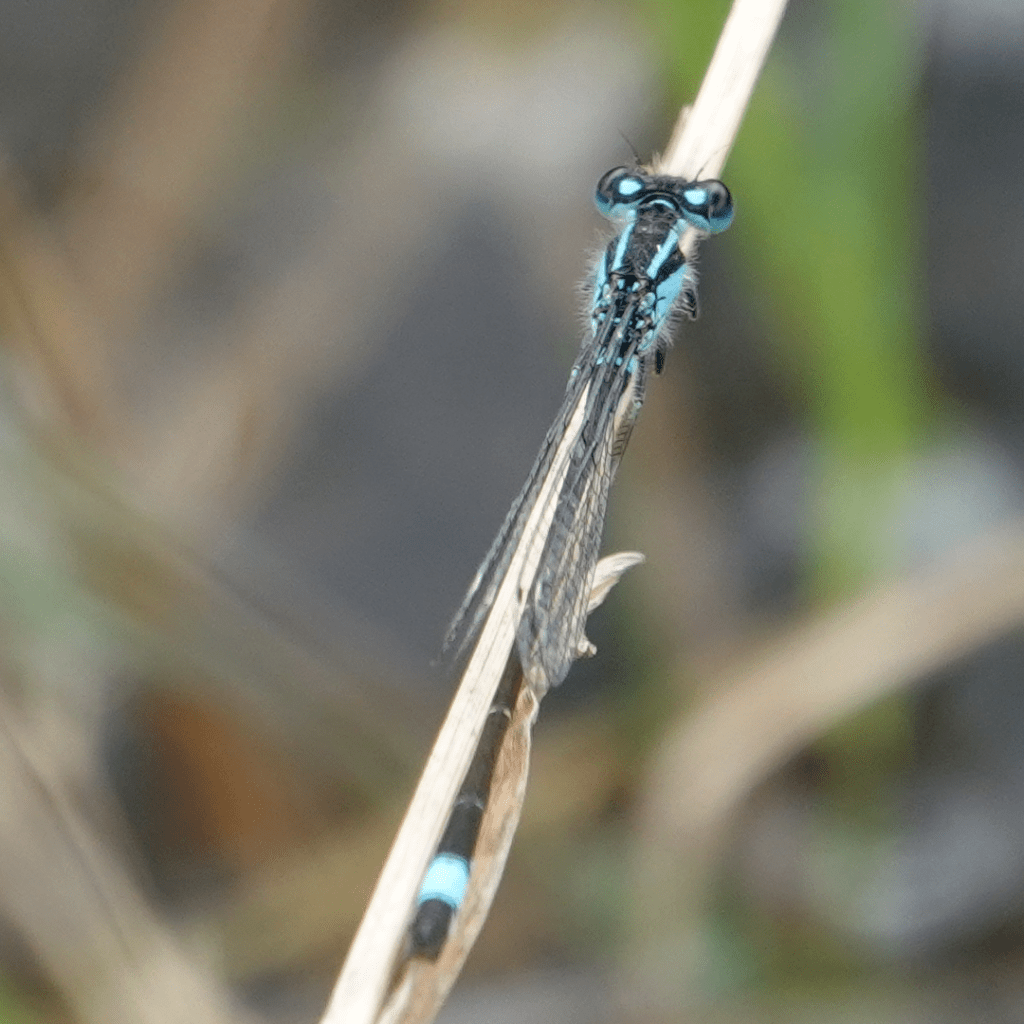
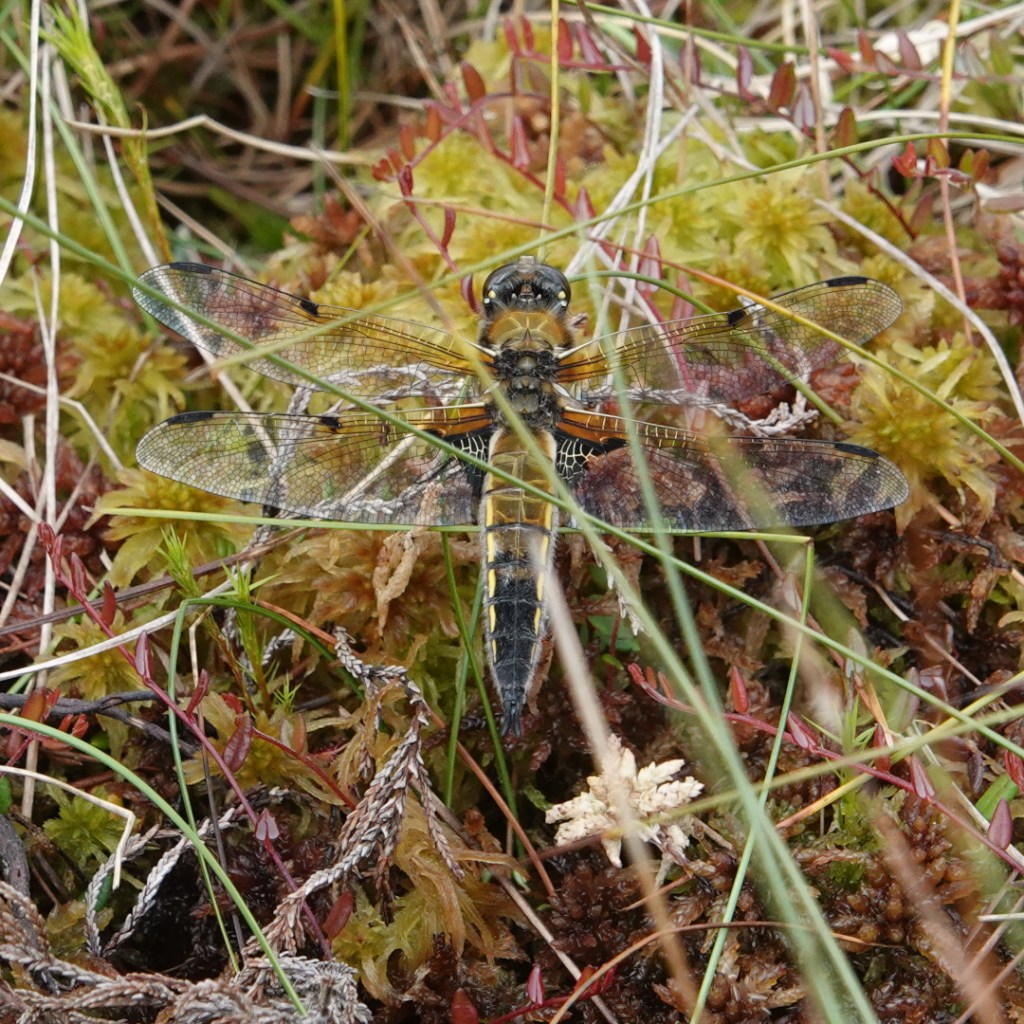
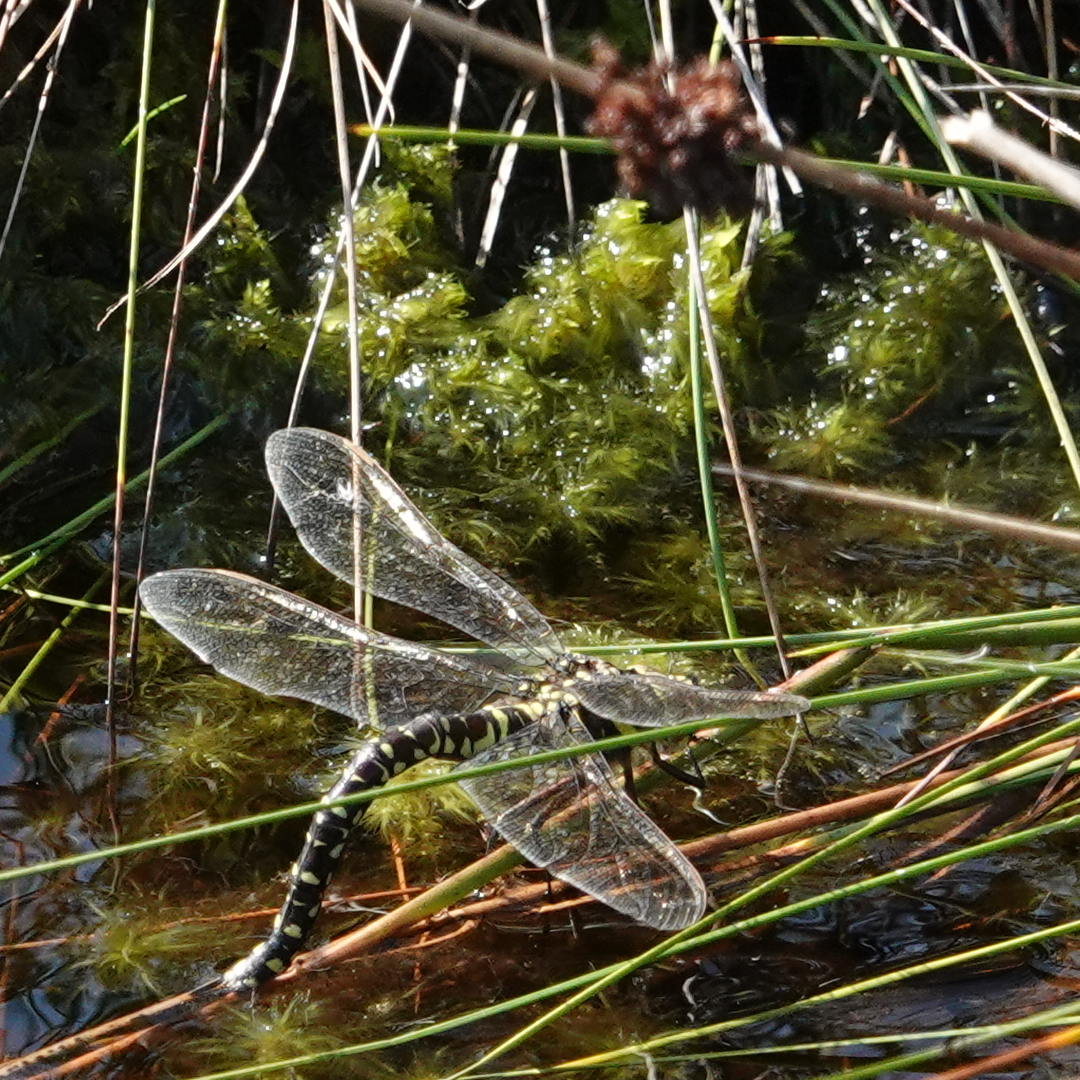
While Butterflies may have been disappointing, Dragonflies were not, with sightings of the Common Darter, 4 Spot Chaser, and Common Hawker all spotted around our wetlands along with red and blue damselflies.
Looking for a Winter Retreat

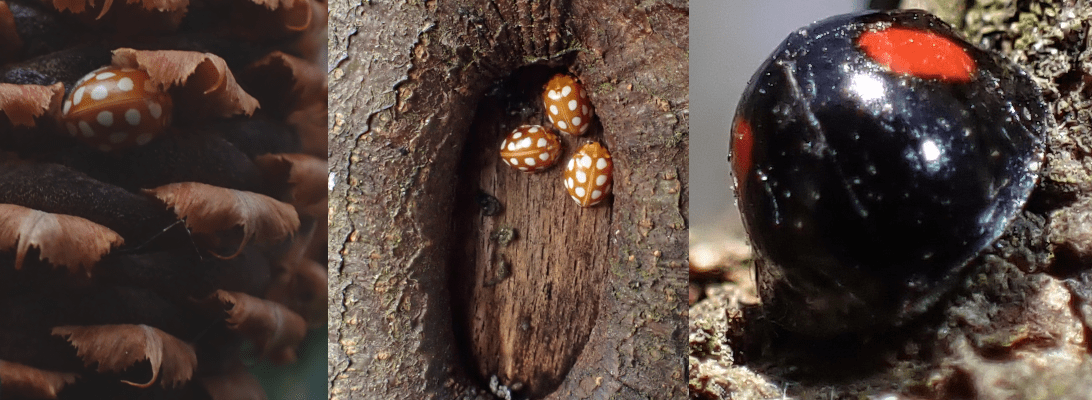
An collage showing three images. the first is n orange ladybird hiding in the scales of a cone. The second is three orange ladybirds overwintering in a tree. the third shows a kidney-spot ladybird.

I found a little orange ladybird, possibly looking for a cozy crevice to spend the winter. It is illustrated below on a type of fir cone. These ladybirds are not often seen. 

Last year I spotted the group illustrated in the middle image huddled on a tree. I am sure they are Orange Ladybirds (Halyzia sedecimguttata). If this is correct, these ladybirds spend most of their time in the leaf canopy, eating mildew and small aphids. That probably explains why I don’t encounter them that often.

This diet of aphids and small insects becomes harder to find during the winter.

So before the weather gets too cold, ladybirds must find a suitable place to spend the winter when they enter a dormant phase. Different species will have their preferred site. Some prefer the crevices found in the bark of a tree, while others find refuge deep in the leaf litter.

I remember visiting a house with a large cluster of ladybirds behind a wooden panel. They had crept in through a crack and, on mass, had decided it was the ideal spot to spend the winter. 

Because of the large number, it did look a bit scary. 

Inside houses are not the ideal place for hibernation. With central heating clicking on, the warmth can wake them up prematurely. Vital energy supplies then get used up in a fruitless search for food. 

 A frost-free garage or shed is a better place for hibernation as the temperature is likely to be constant, and they are less likely to be disturbed. 

I remember it taking a bit of persuasion to reassure the resident that they were not harmful and would disperse in the spring. 

As well as spotting this unusual orange ladybird with cream spots, I have also seen black ladybirds with red splodges on each wing. 

These were at Cathkin Marsh on the Southside of Glasgow. 

There were large numbers of these ladybirds on sallow trees, and had it not been for a more regular visitor pointing them out to me, I would have passed by and not seen them. He explained to me that these were Kidney-Spot Ladybirds (Chilocorus renipustulatus). They get their name from the shape of the splodge on the wing cases.

They are tiny, about 5mm in size, and the other thing to notice is they have a flattened edge that looks a bit like a rim around their wing cases. These ladybirds prefer to overwinter at the base of trees.

Seeing these two ladybirds that are different from the more common red ladybirds with black spots has inspired me to buy a copy of the Field Guide to the Ladybirds of Great Britain and Ireland by Helen Roy and Peter Brown. Next year I am looking forward to finding more Kidney-Spot Ladybirds at Cathkin Marsh and through the autumn will keep an eye out for more hibernating orange ladybirds.