Poor weather has not made it easy to get out and find butterflies.
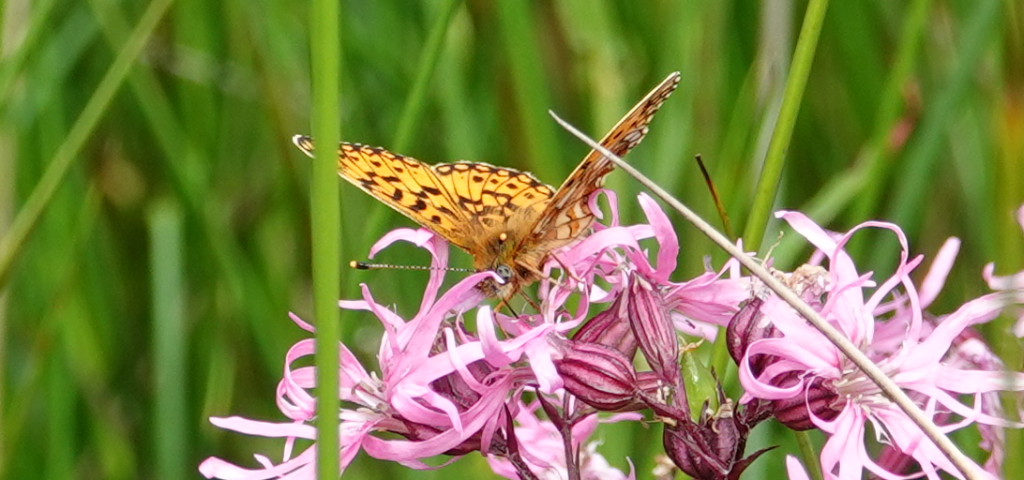
The Small Pearl-Bordered Fritillaries were spotted only on Blantyre Muir as there was no opportunity to try and look for them on other sites.
Suitable weather conditions to find Large Heath Butterflies did not occur on the days when I was available.
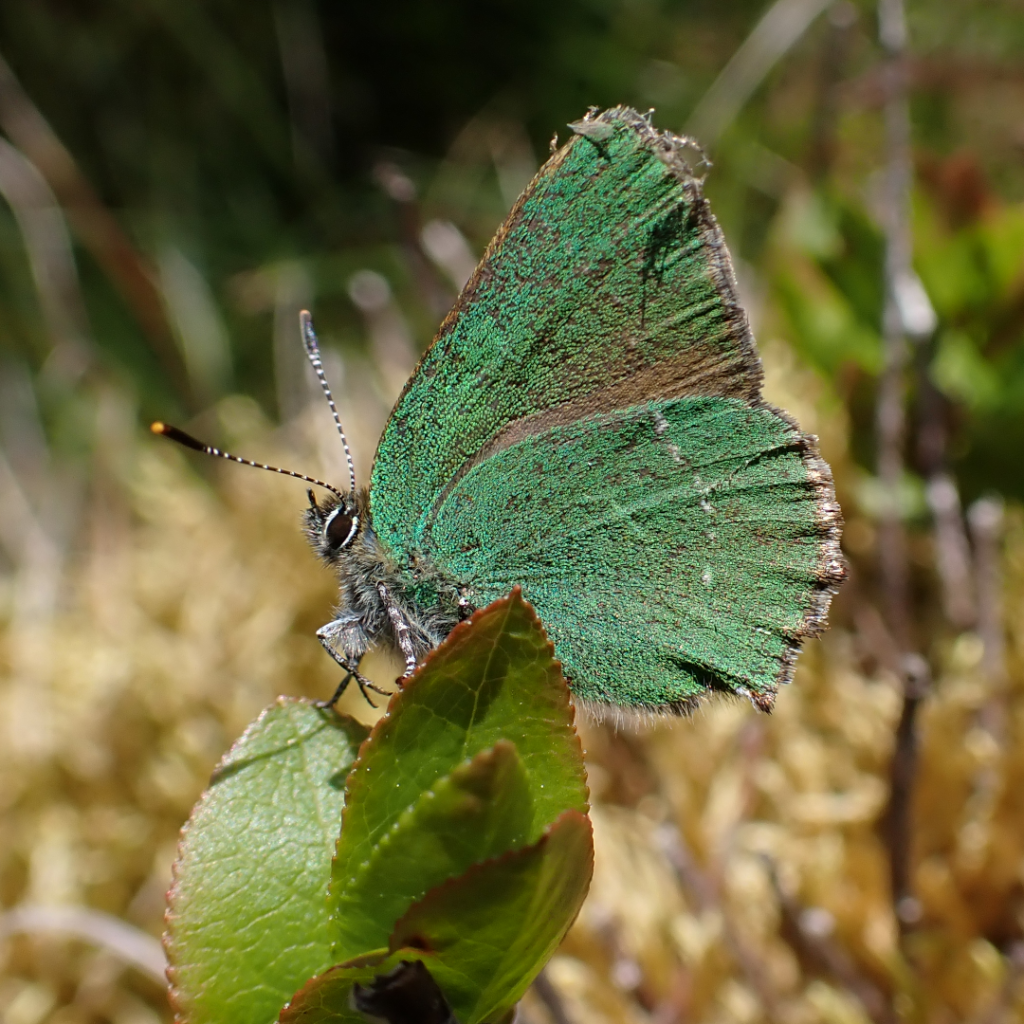
With the cool weather in the spring, I only managed to spot Green Hairstreak Butterflies on Langlands Moss and nowhere else. The opportunity was not there to see how they were doing on Blantyre Muir.
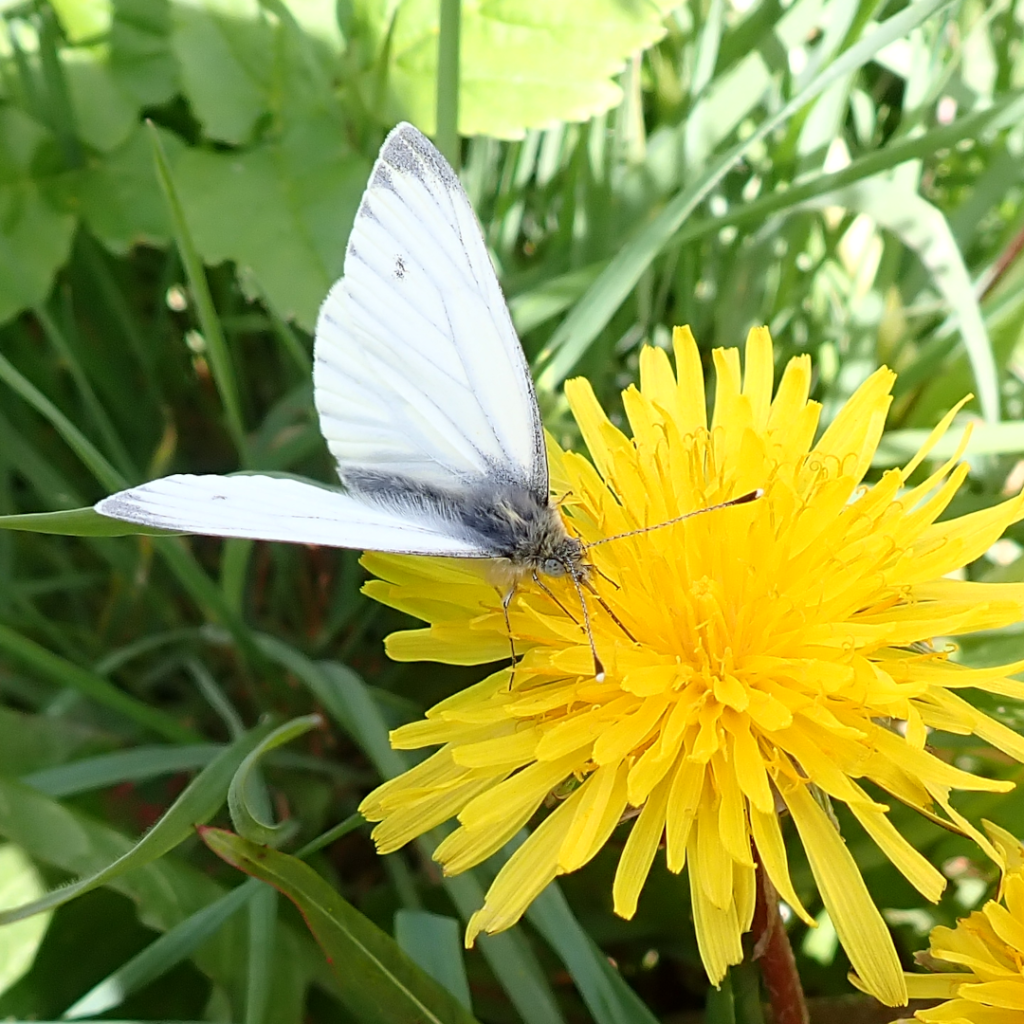
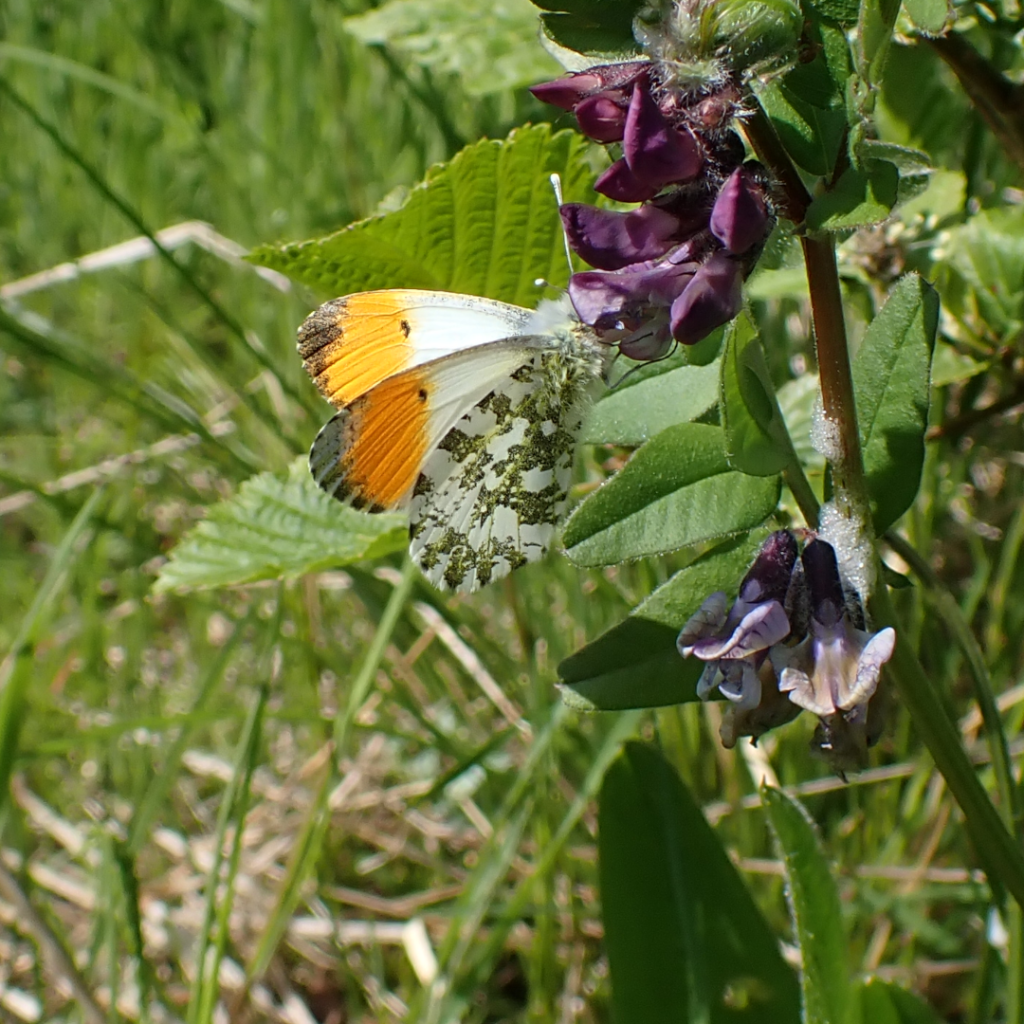
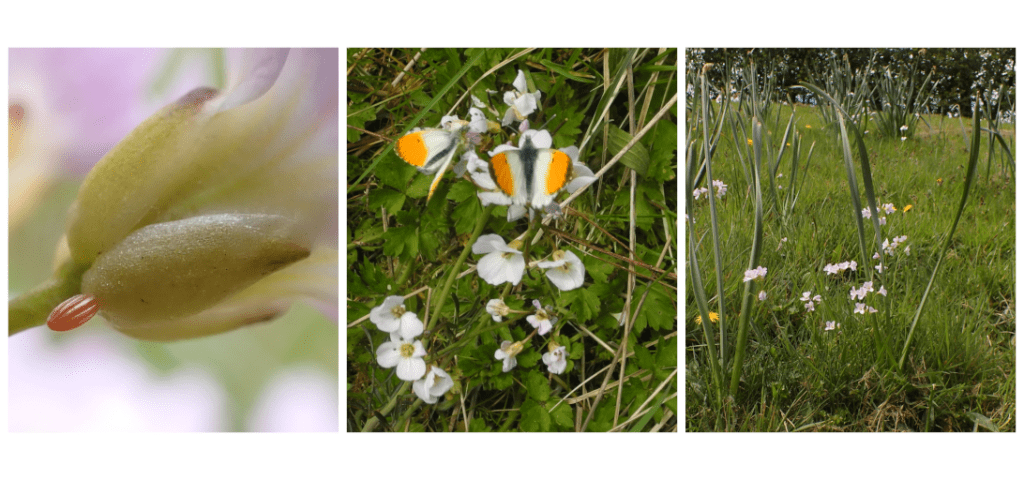
Green-Veined Whites and Orange Tips were also spotted, with Orange Tips being more numerous, in my view, than last year.
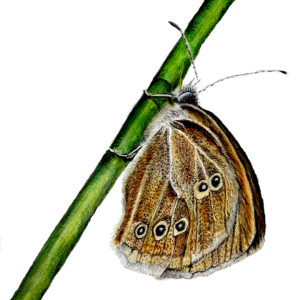
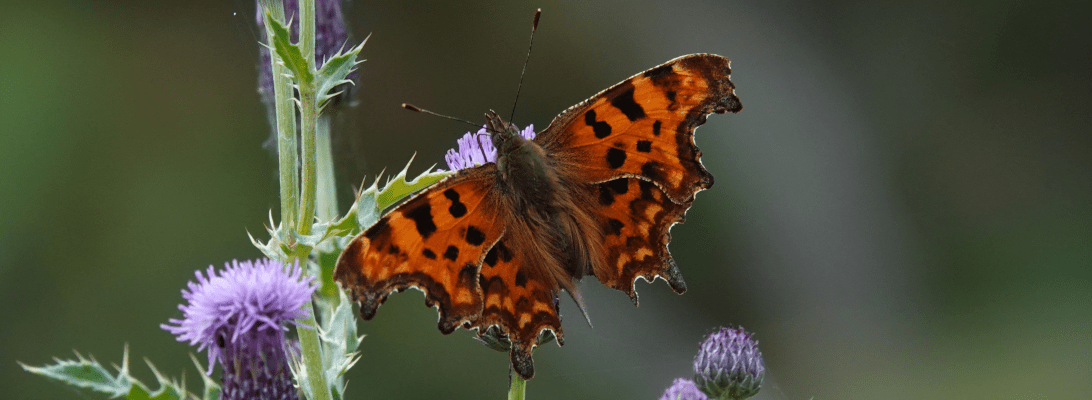
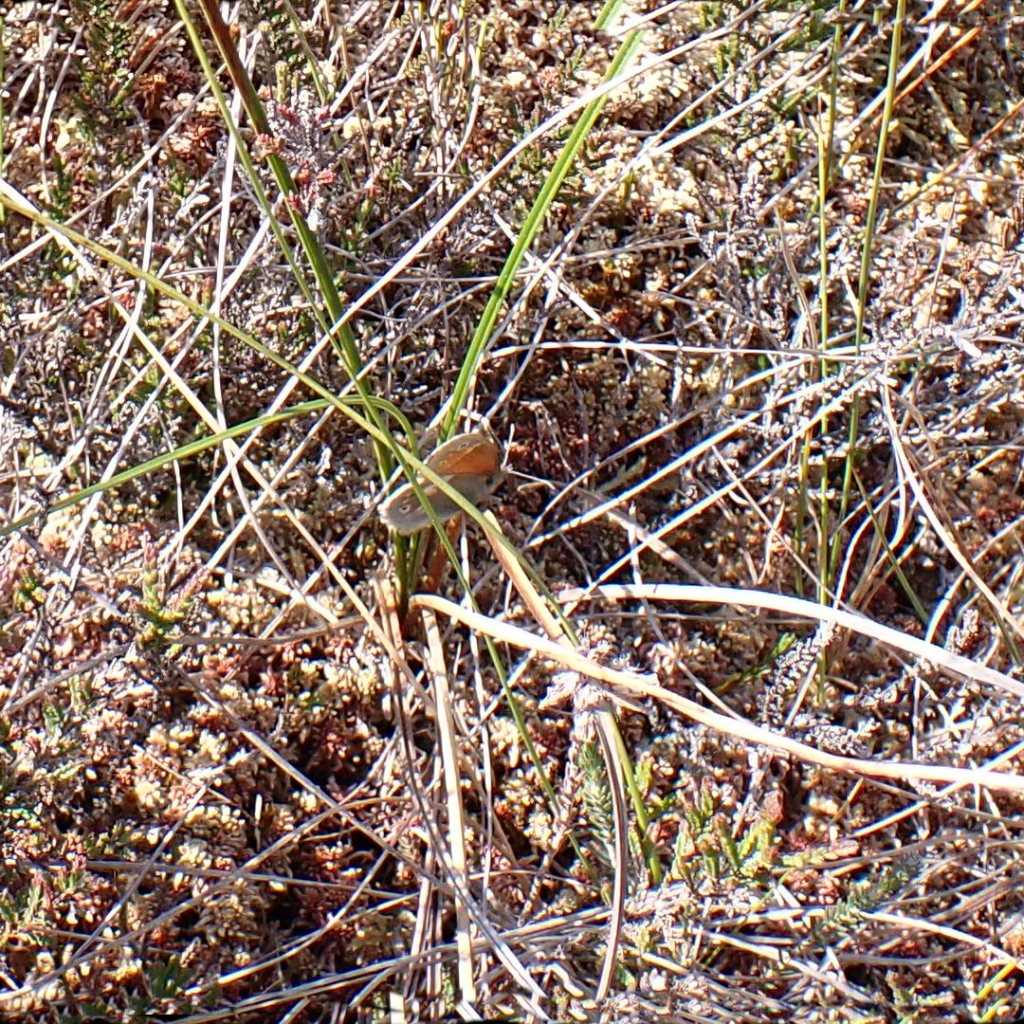
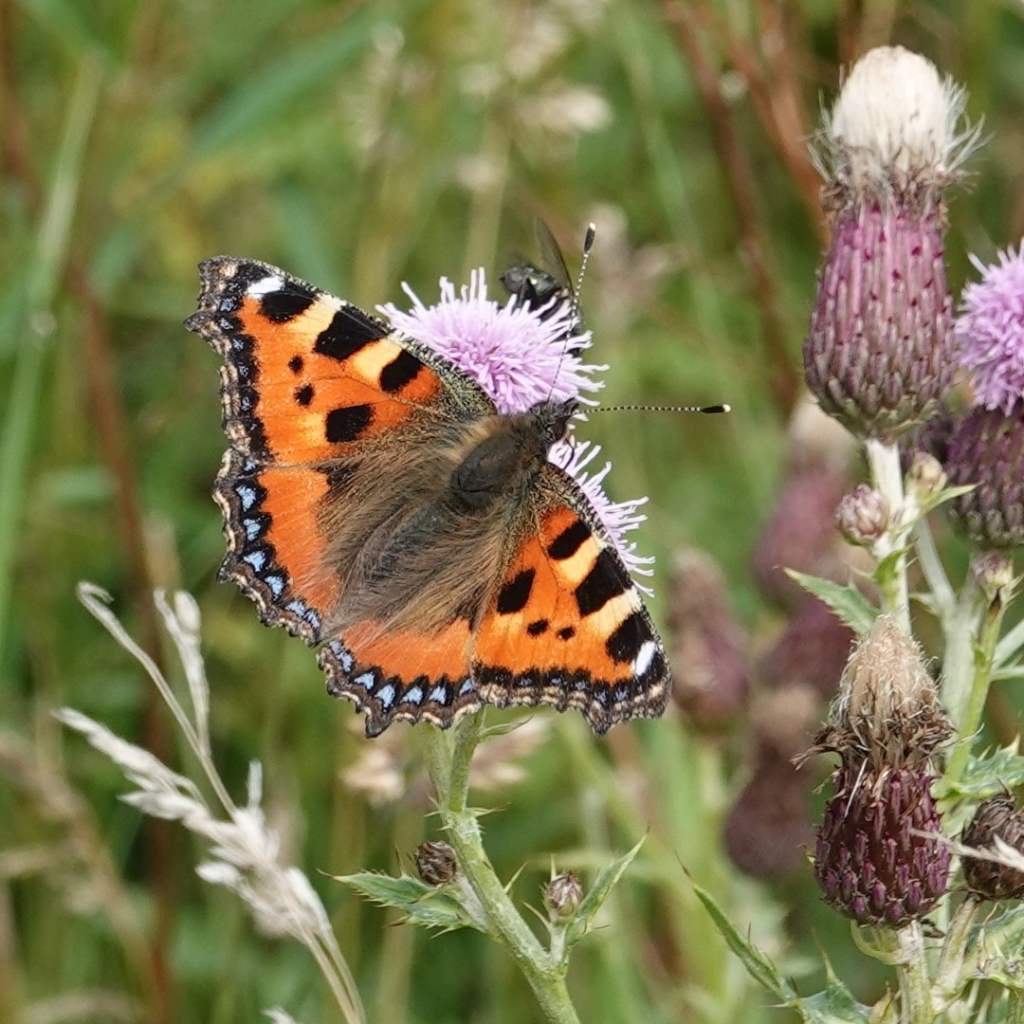
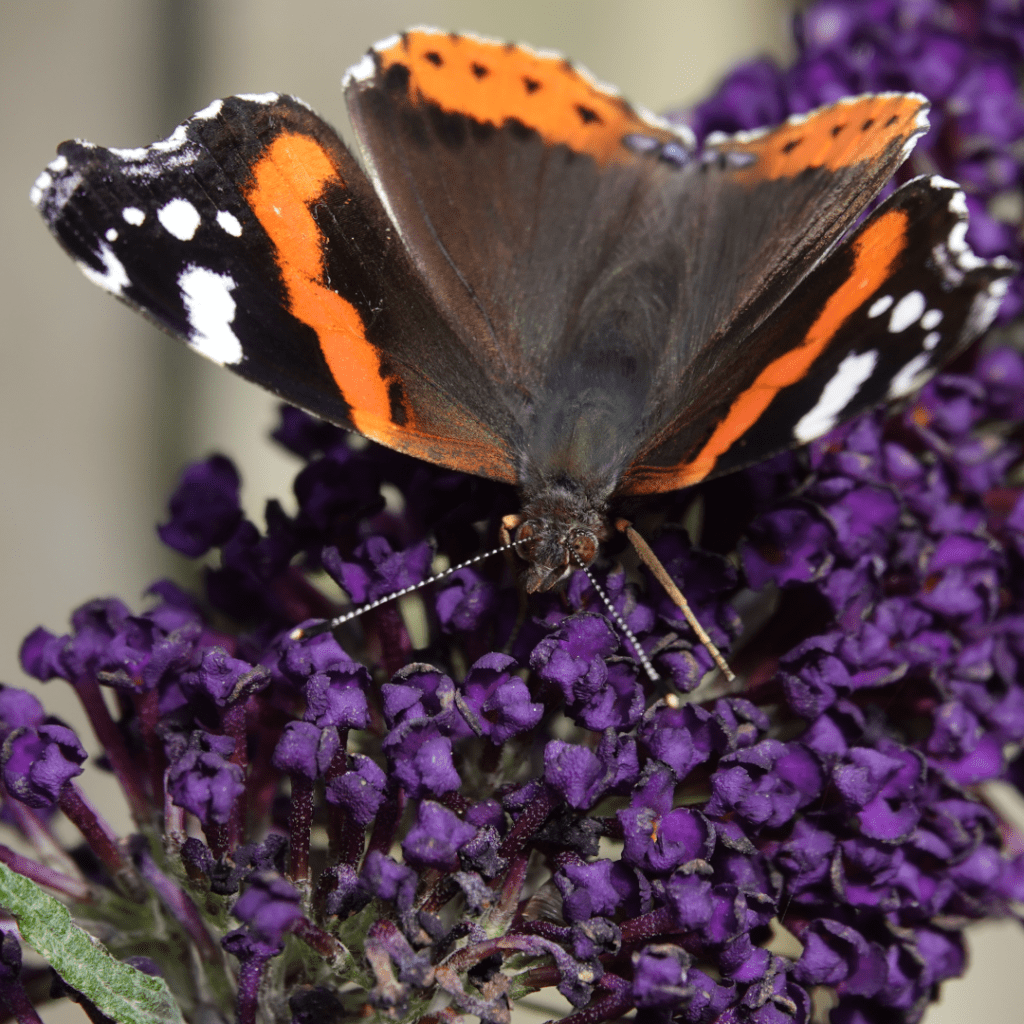
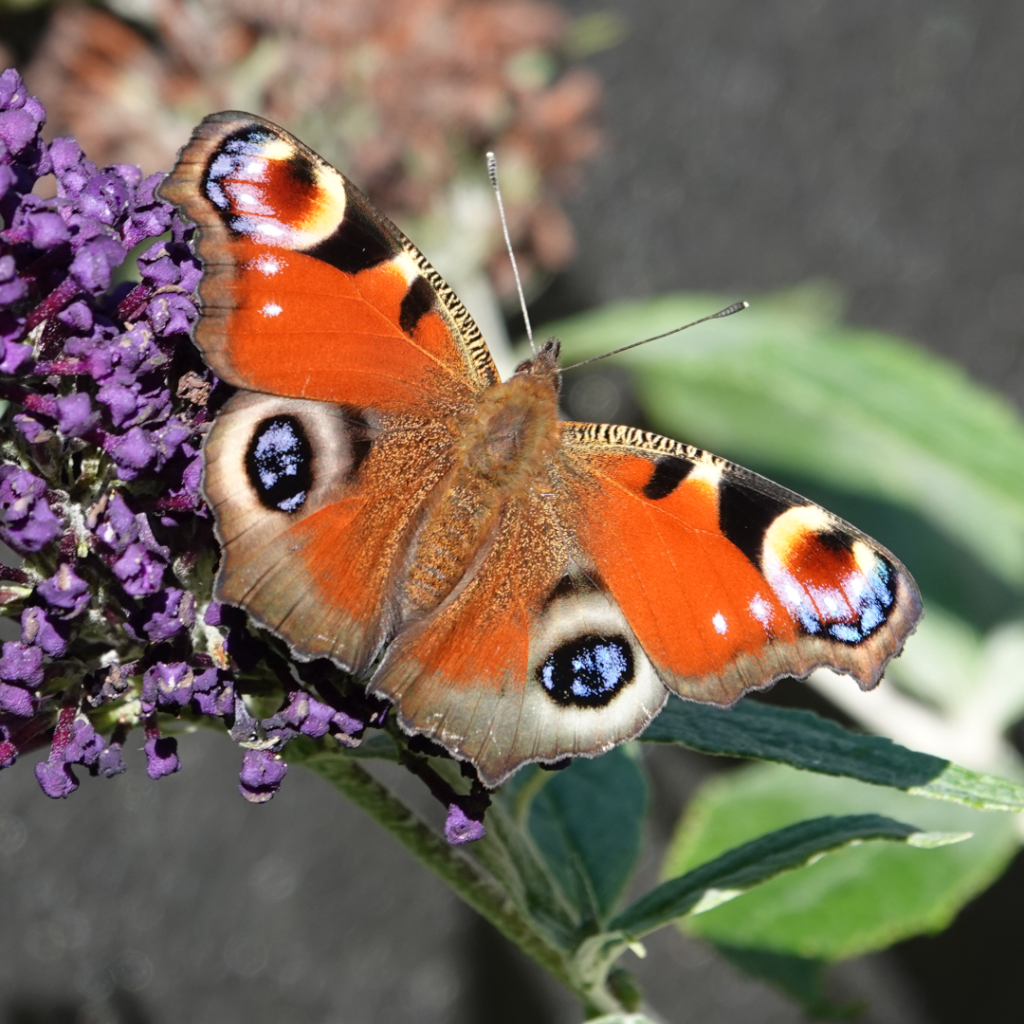
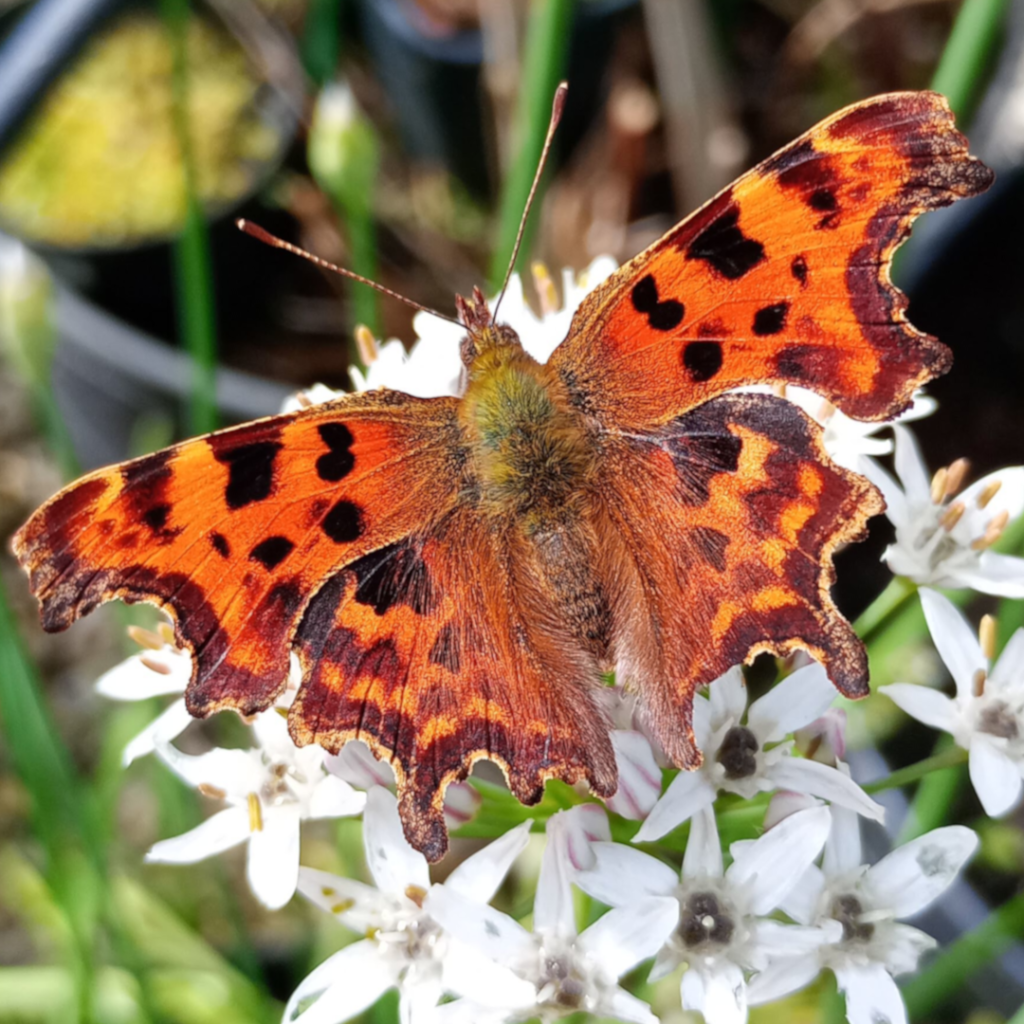
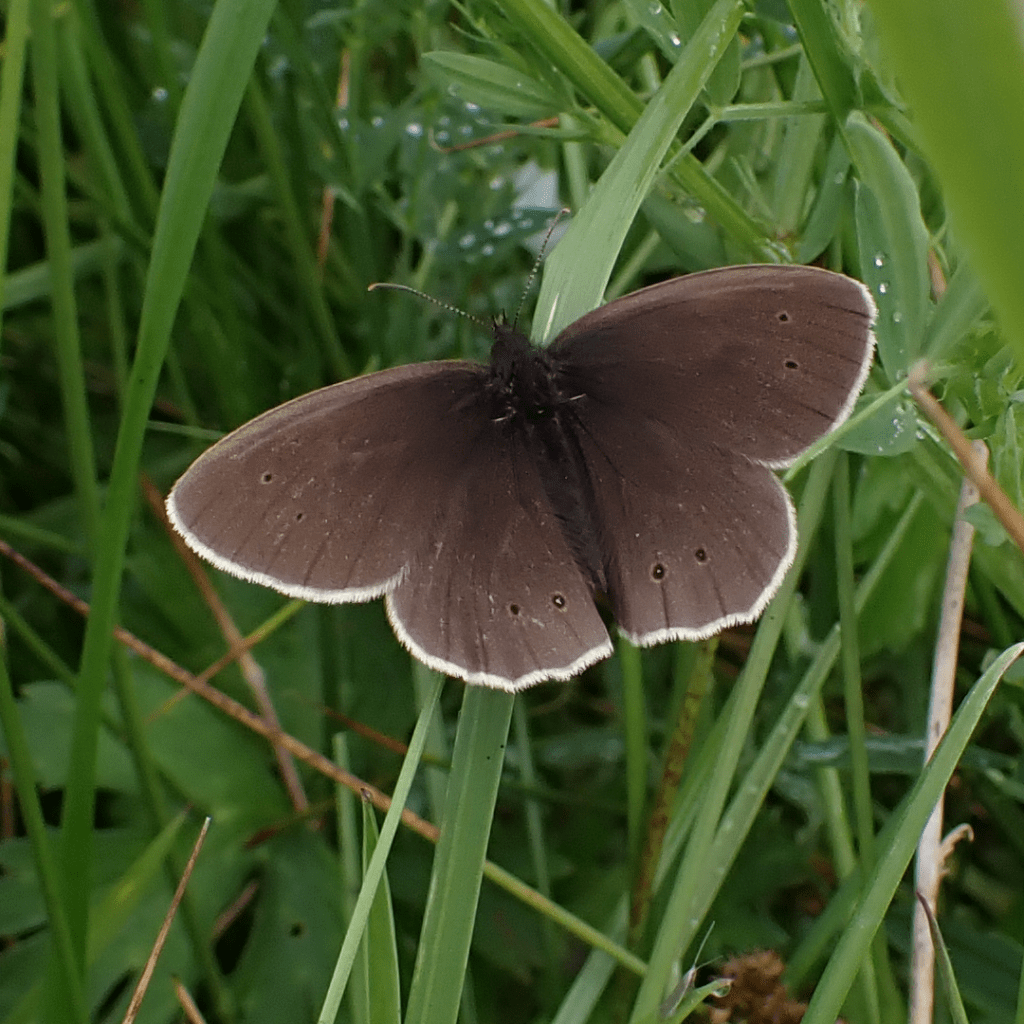
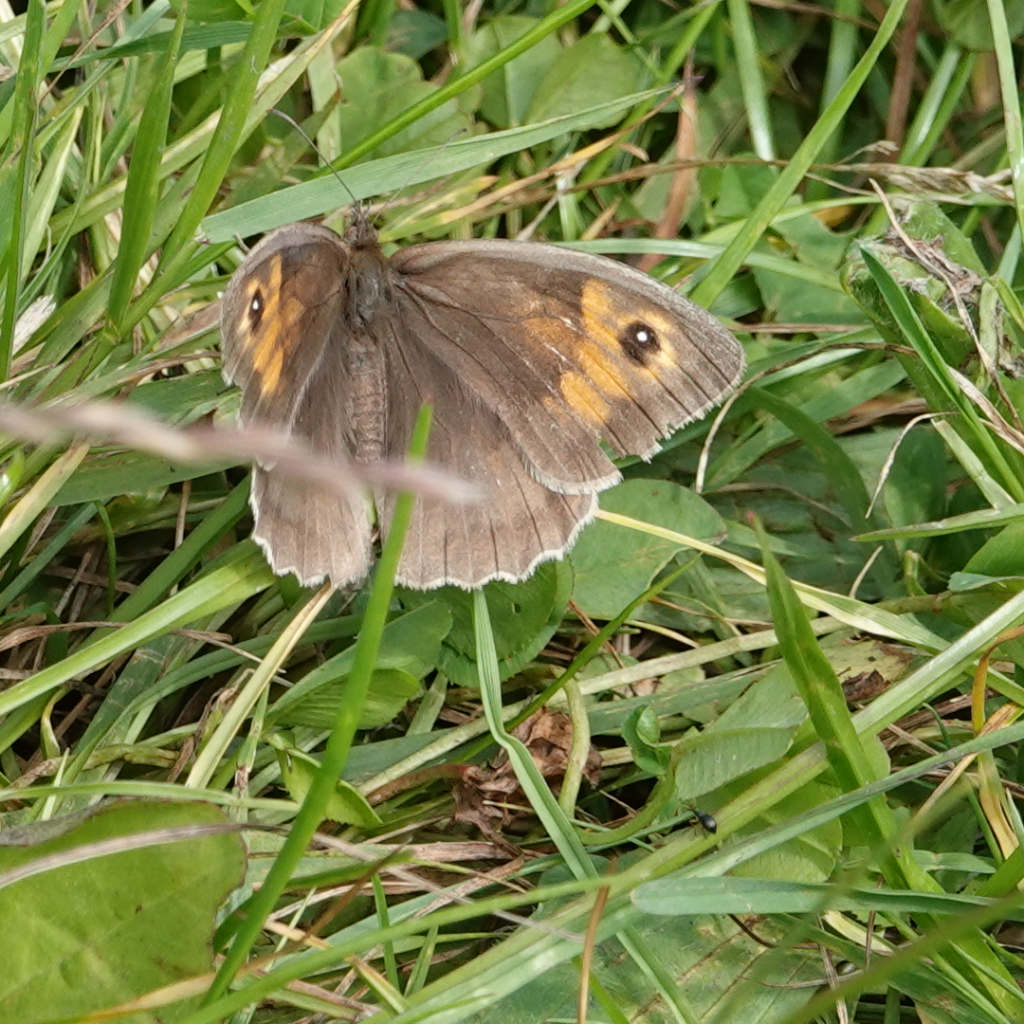
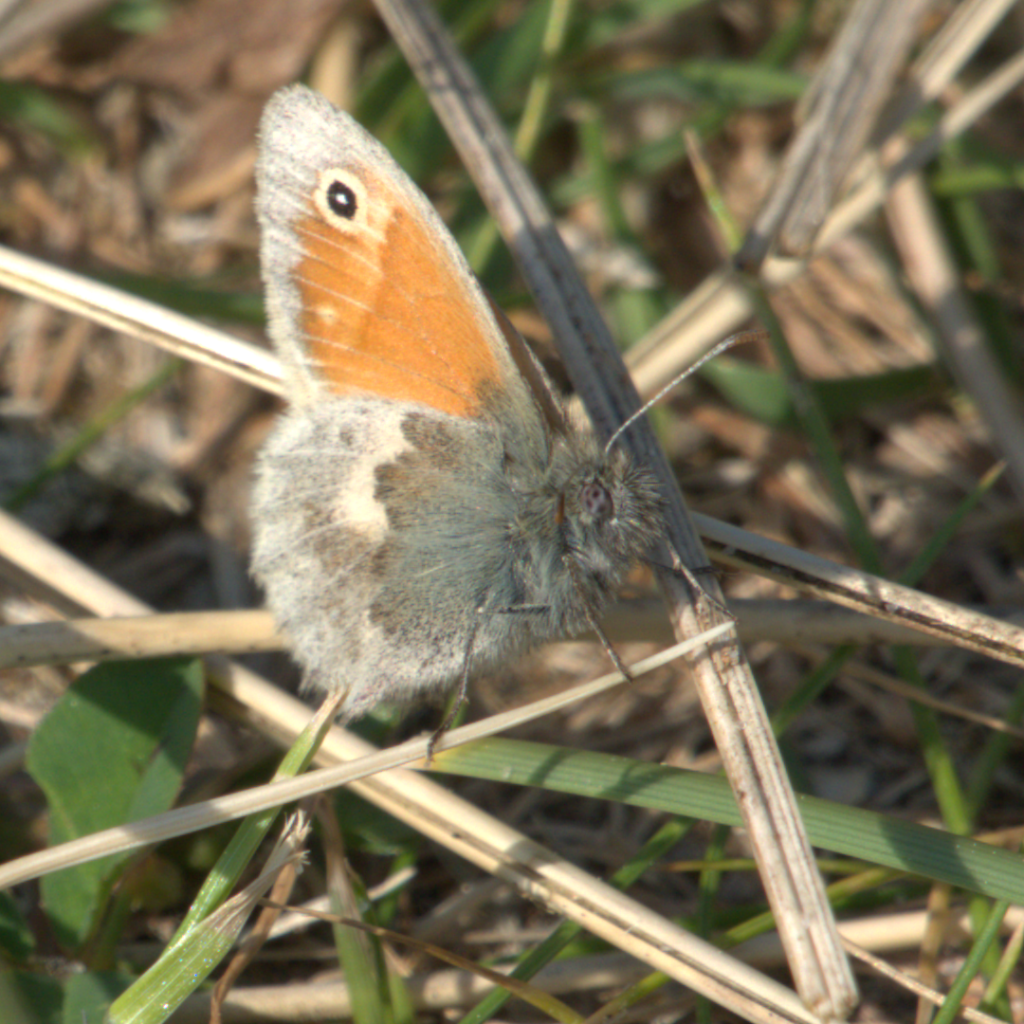
The other common butterflies spotted were the Small Tortoiseshell, Red Admiral, Comma, Ringlet, Meadow Brown, Small Heath, and Peacock. Sadly, the number of sightings was down from last year.
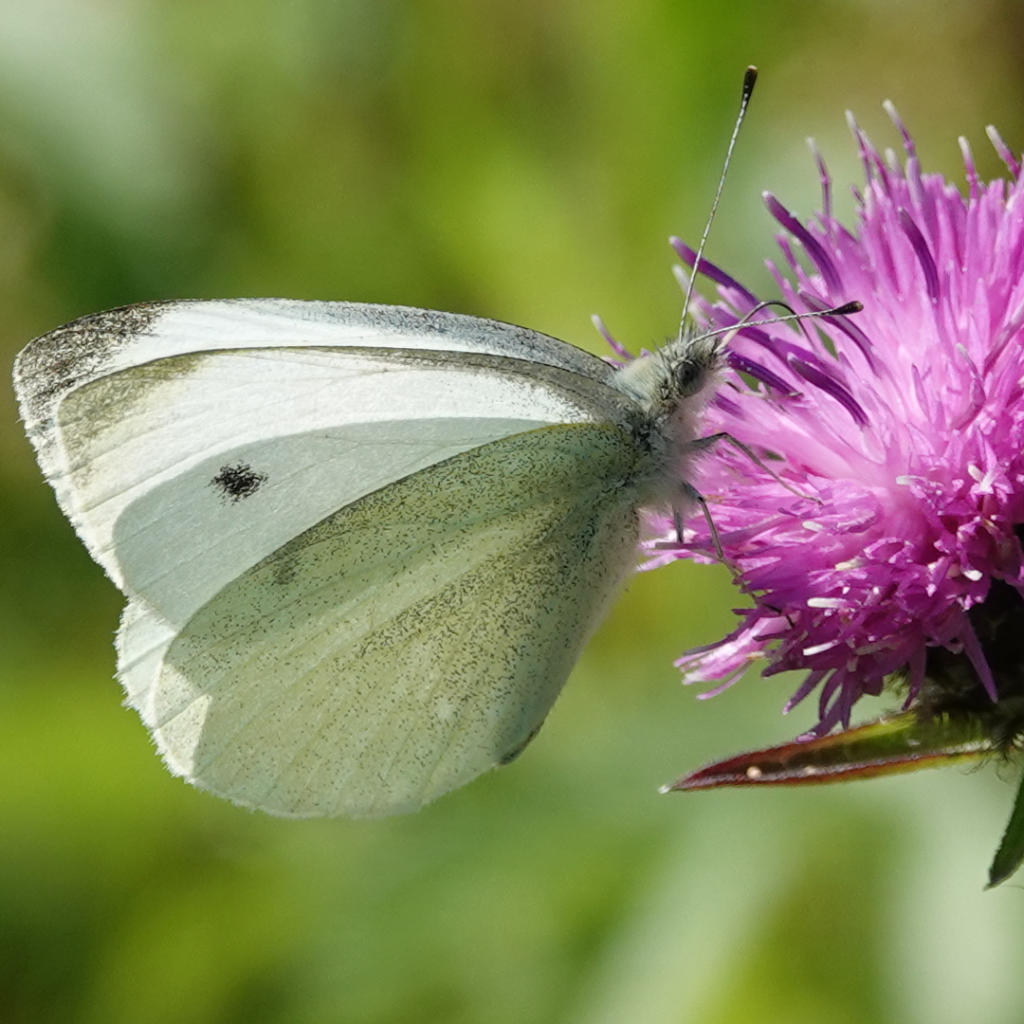
As for the Cabbage Whites, both Small and Large White, the best place to see them was on allotments.
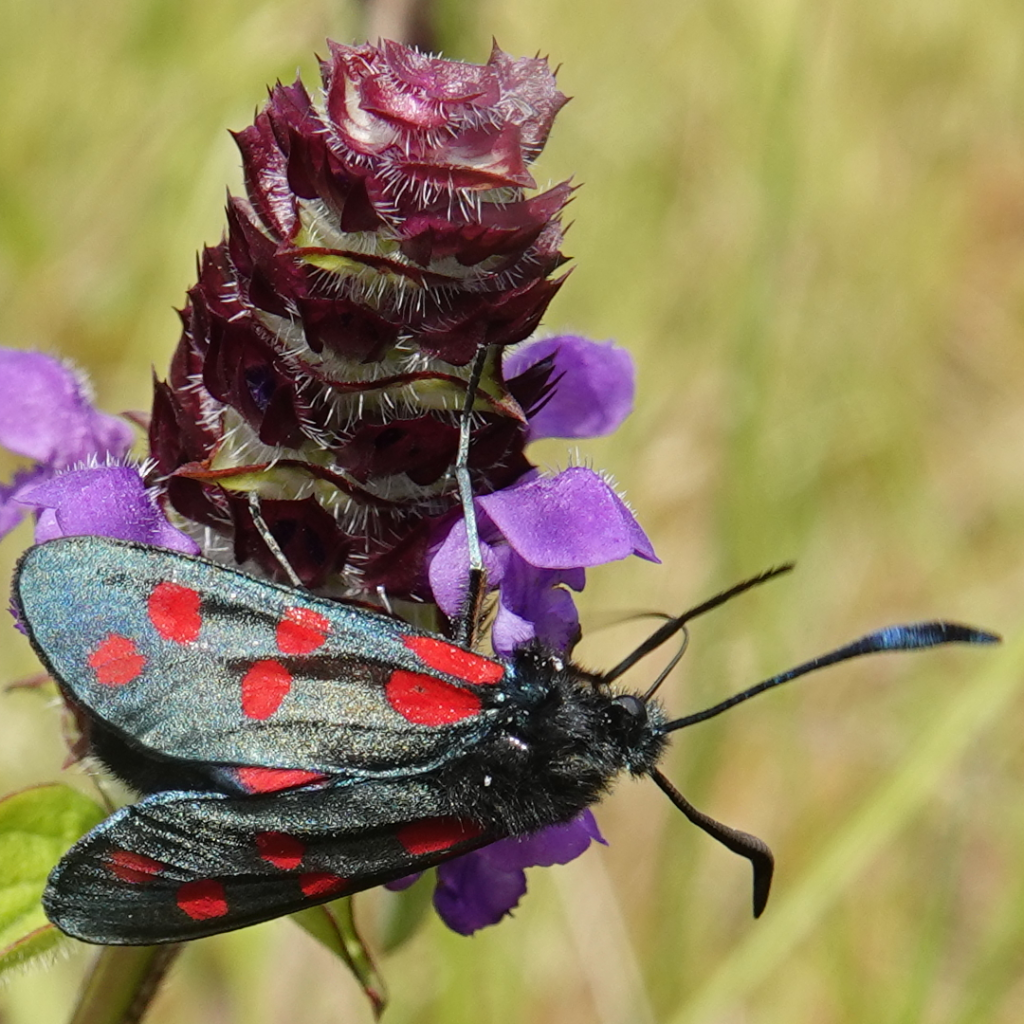
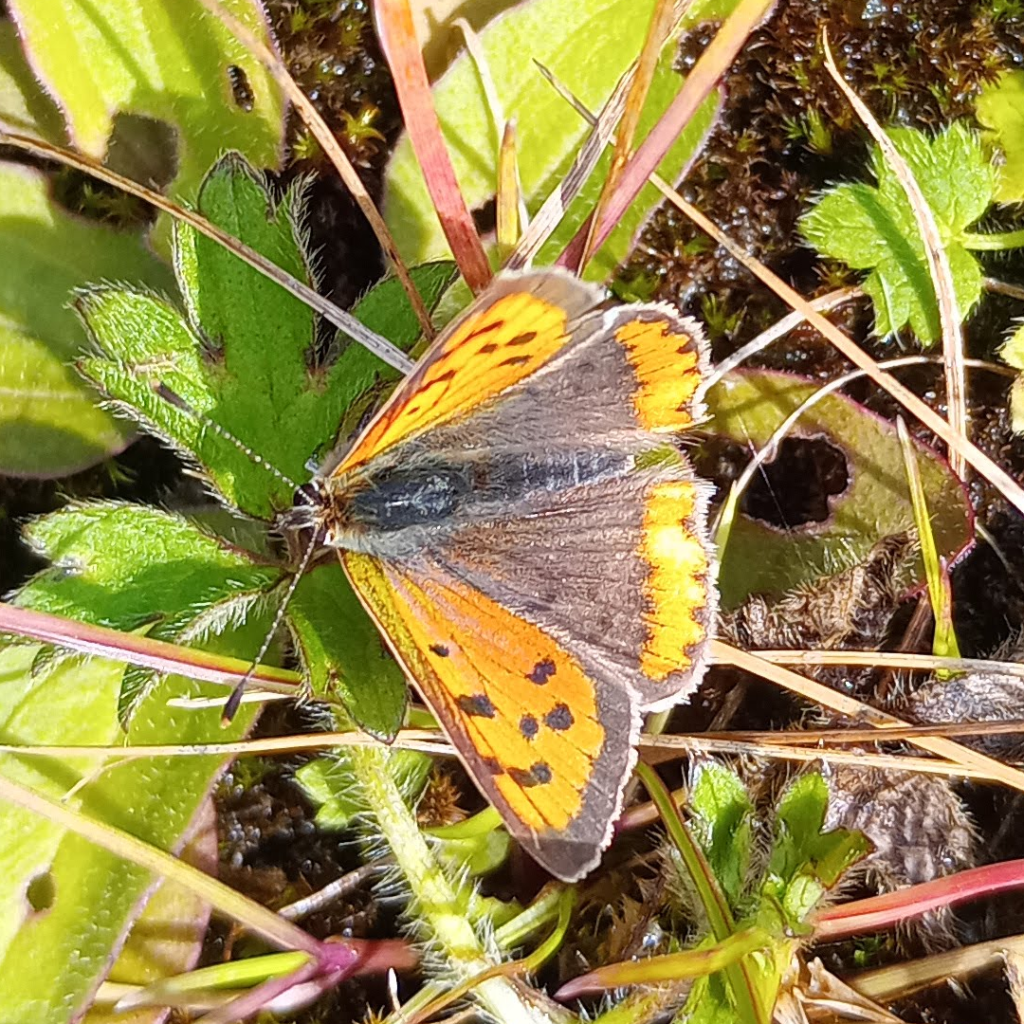
On a more positive note, the Small Copper Butterfly, a tiny butterfly that is hard to spot, was seen along with Burnet Moths at Glen Esk Pocket Park.
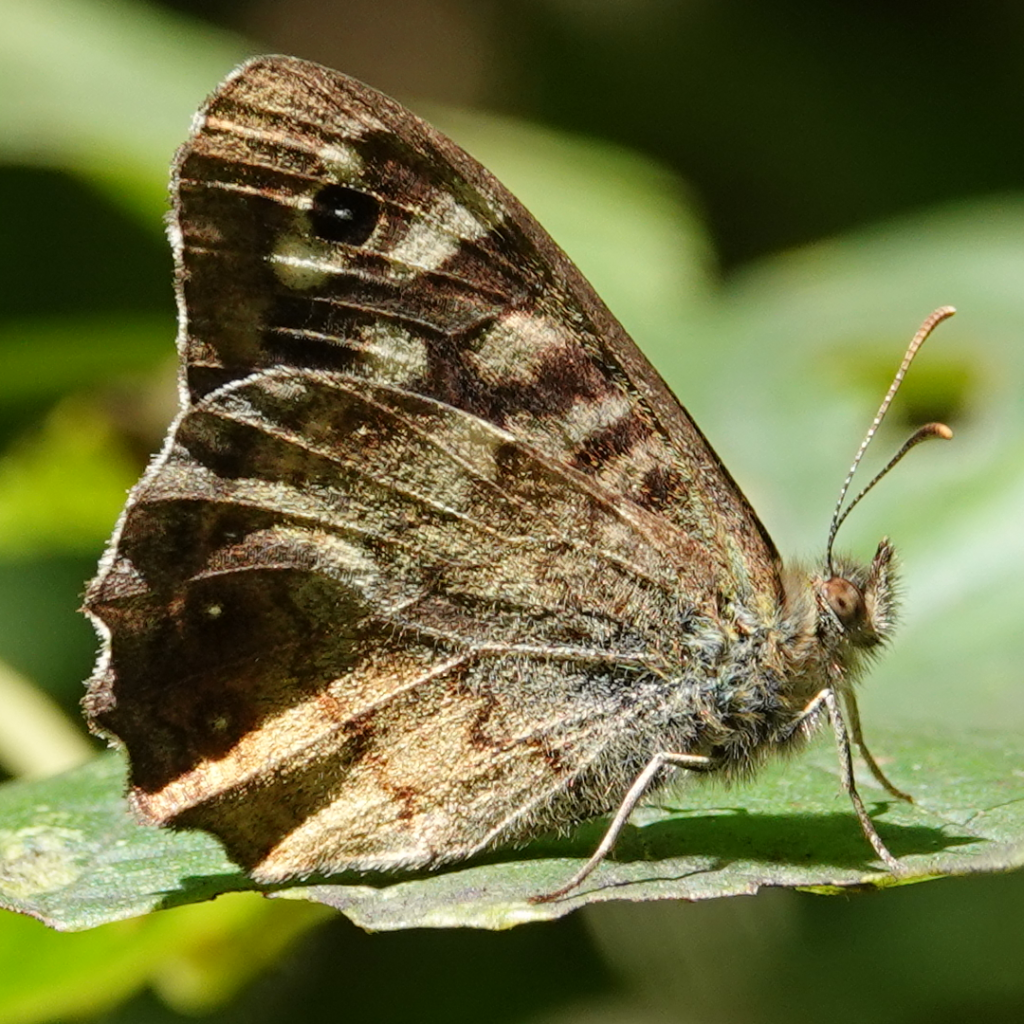
However, the biggest surprise was the Speckled Wood Butterfly, with sightings at Calderwood, Brancumhall, and West Mains. This butterfly does appear to be increasing its range.
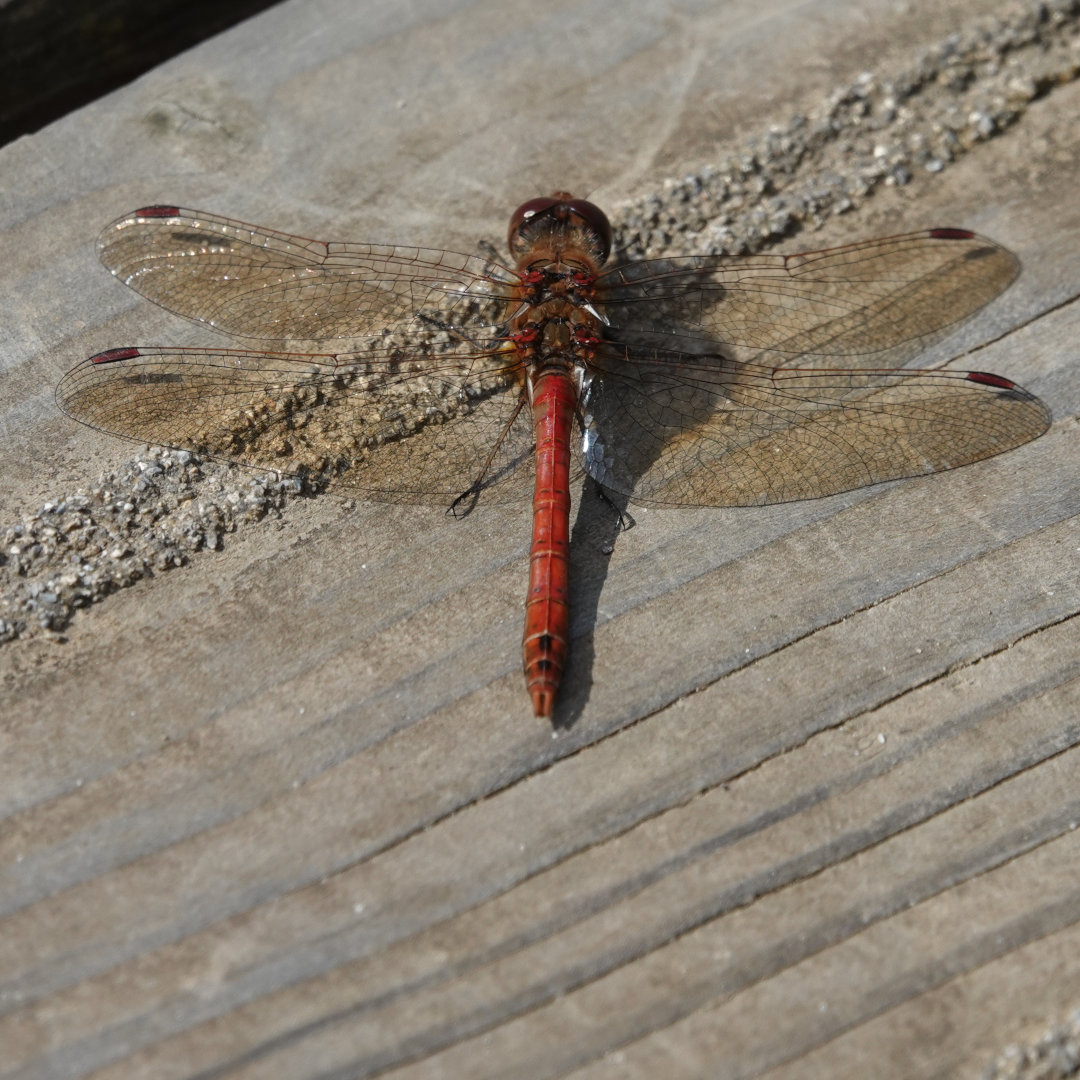
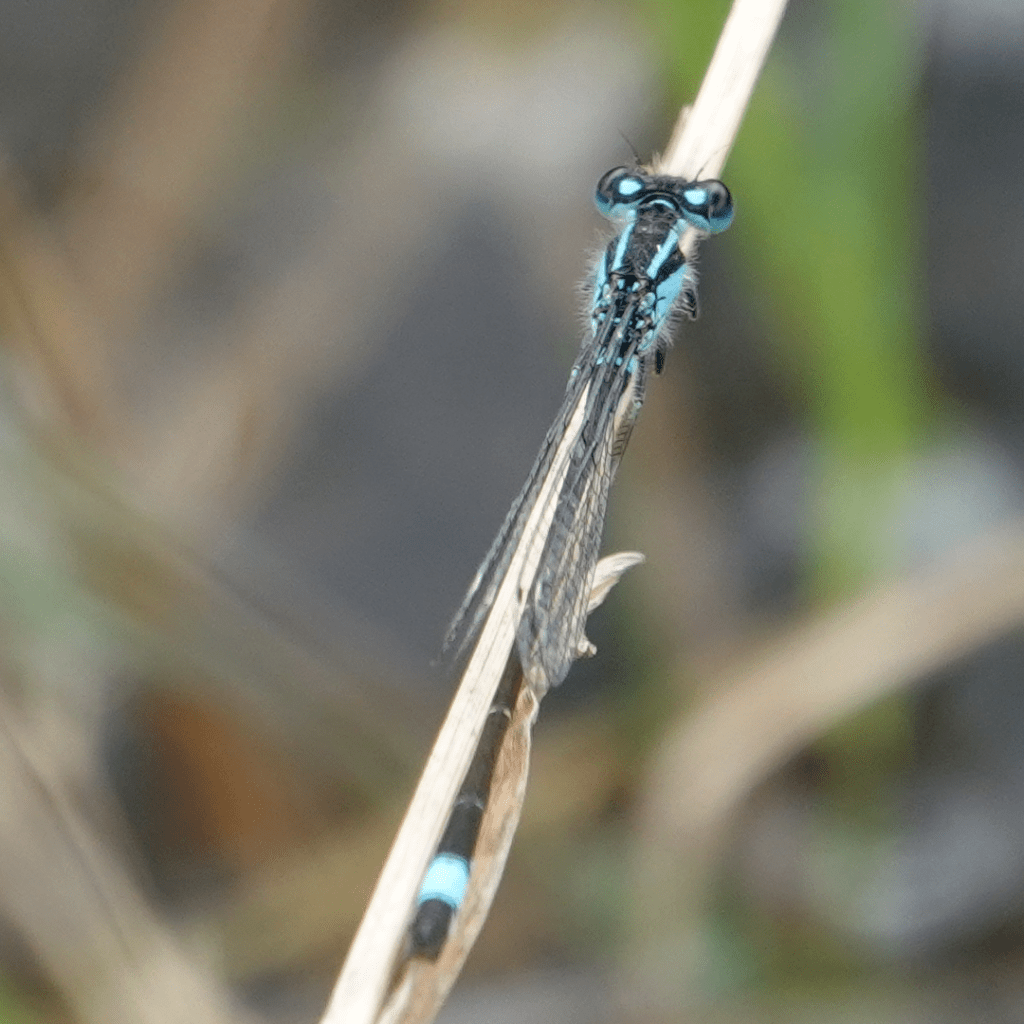
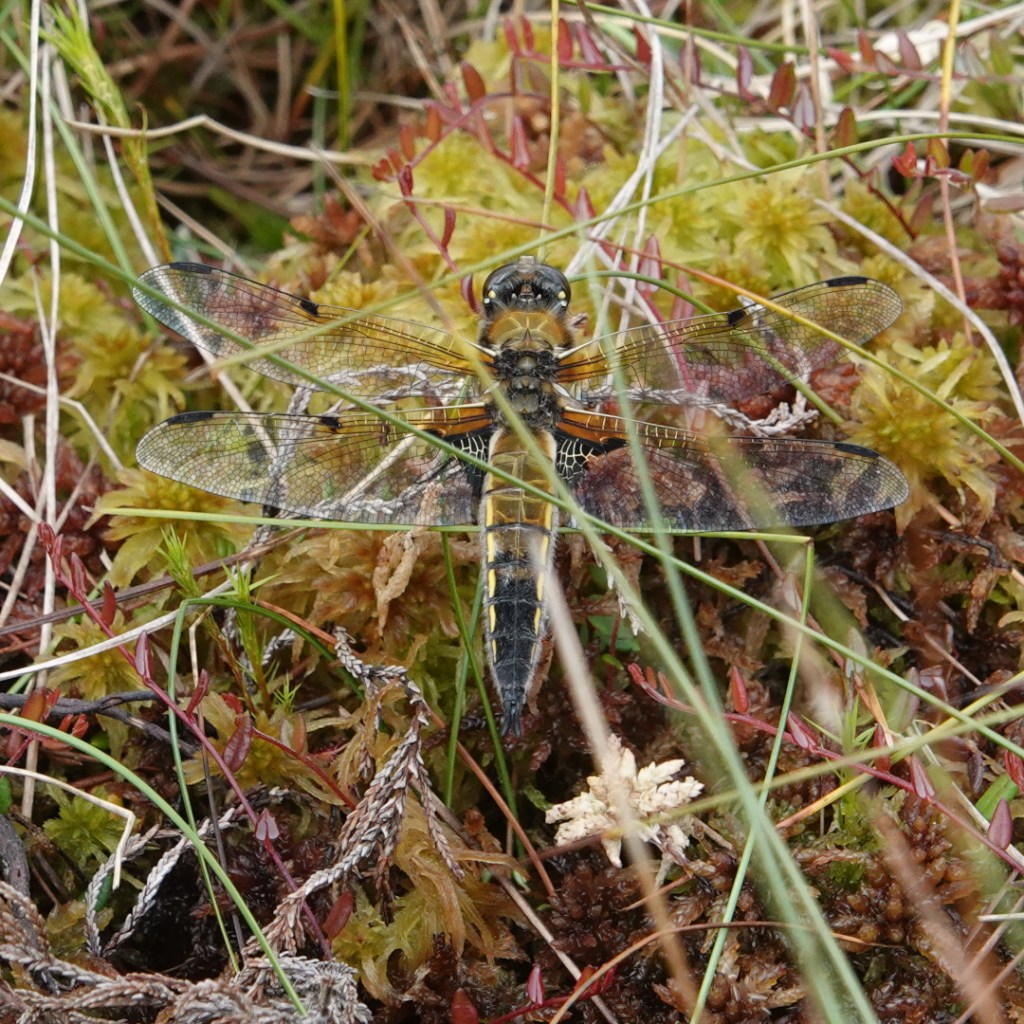
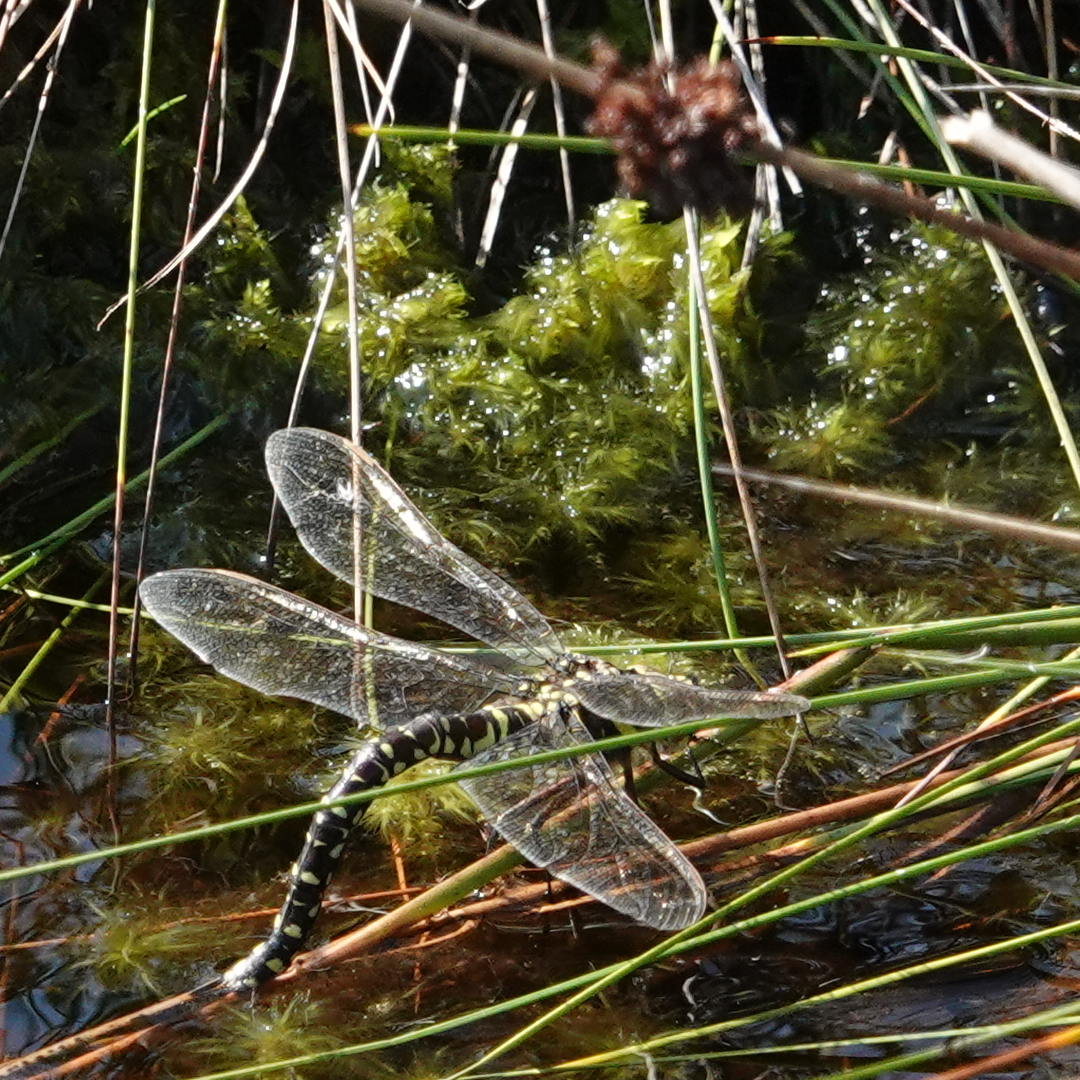
While Butterflies may have been disappointing, Dragonflies were not, with sightings of the Common Darter, 4 Spot Chaser, and Common Hawker all spotted around our wetlands along with red and blue damselflies.

 Incredibly Wild East Kilbride