Langland Moss is a Lowland Raised Bog.
This is a wetland habitat that has formed over thousands of years.
It is important as it acts as a big sponge regulating water flow and storing carbon.
In wet, acidic nutrient-poor conditions vegetation is inhibited from breaking down completely and forms peat. If bogs are allowed to dry out, the stored peat will rot more quickly, releasing huge amounts of stored carbon dioxide.
Carbon dioxide is considered a greenhouse gas that is contributing to climate change.
Keeping the carbon locked away helps in the battle against climate change.
Restoring peatland habitats involves reducing the flow of water off the bog and stopping the growth of trees on the bog.
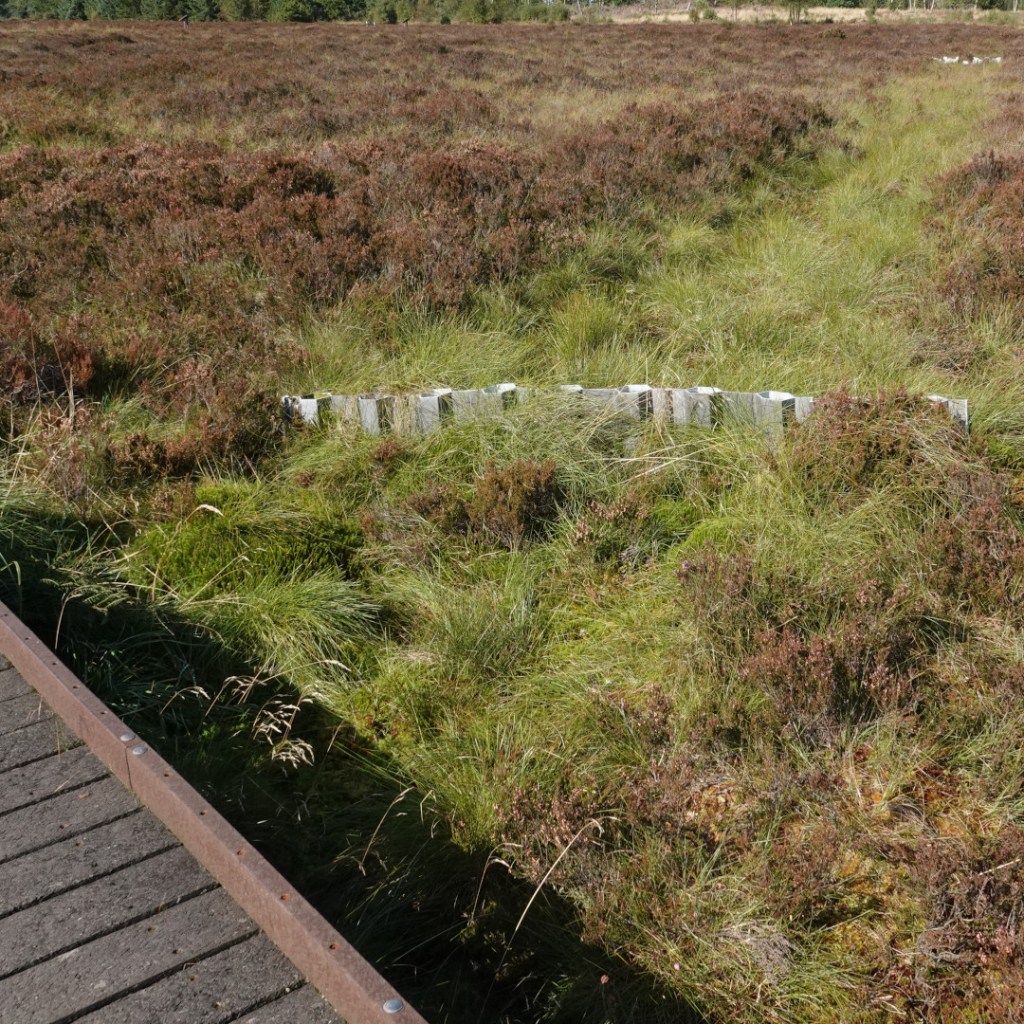
Next time you walk across the bog look out for the dams installed across what were previously drainage ditches. These will reduce the flow of water off the bog.
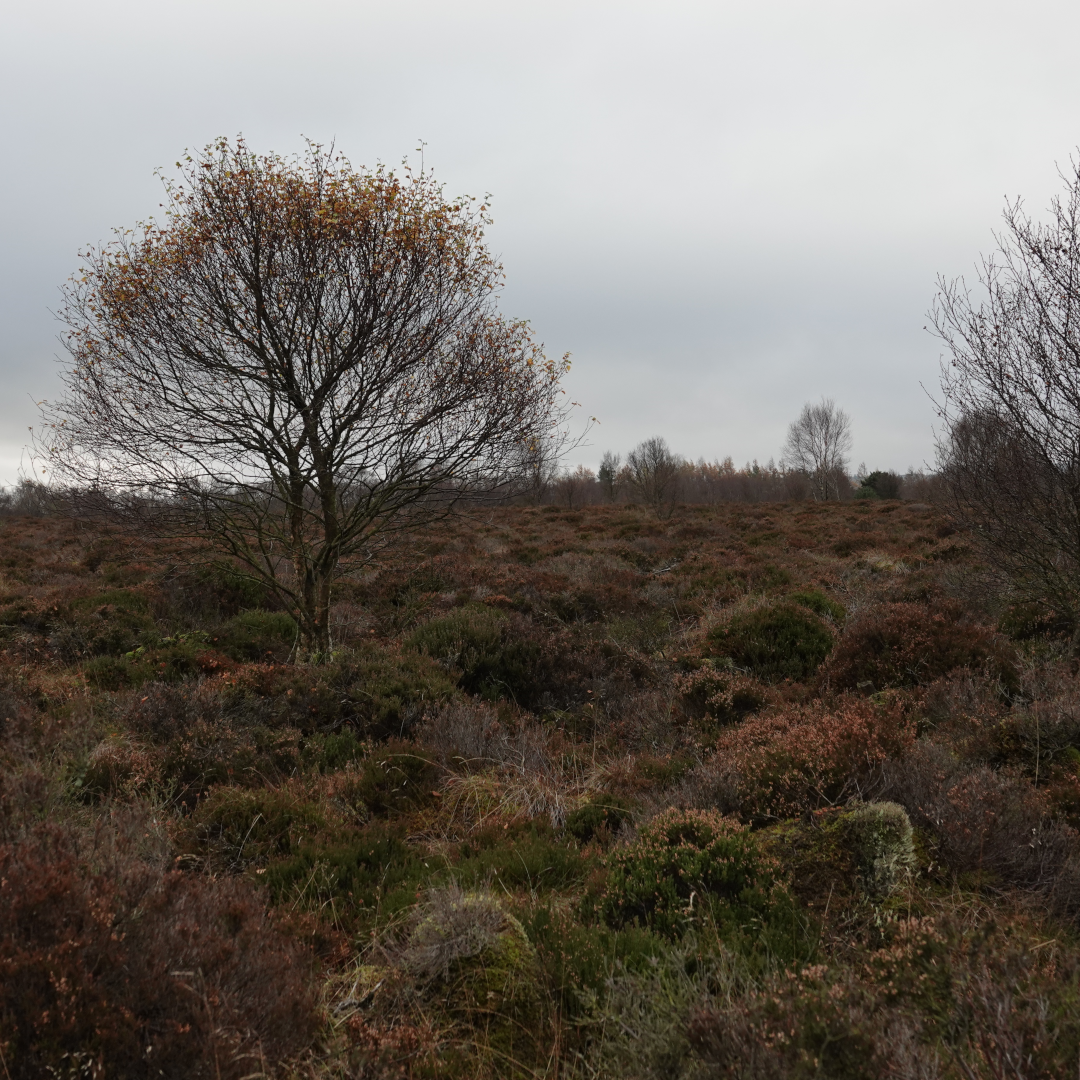
Also, look across the bog for trees. Unfortunately, they soak up water and pump it out into the atmosphere causing the bog to dry out.
We are on a mission to remove the trees.
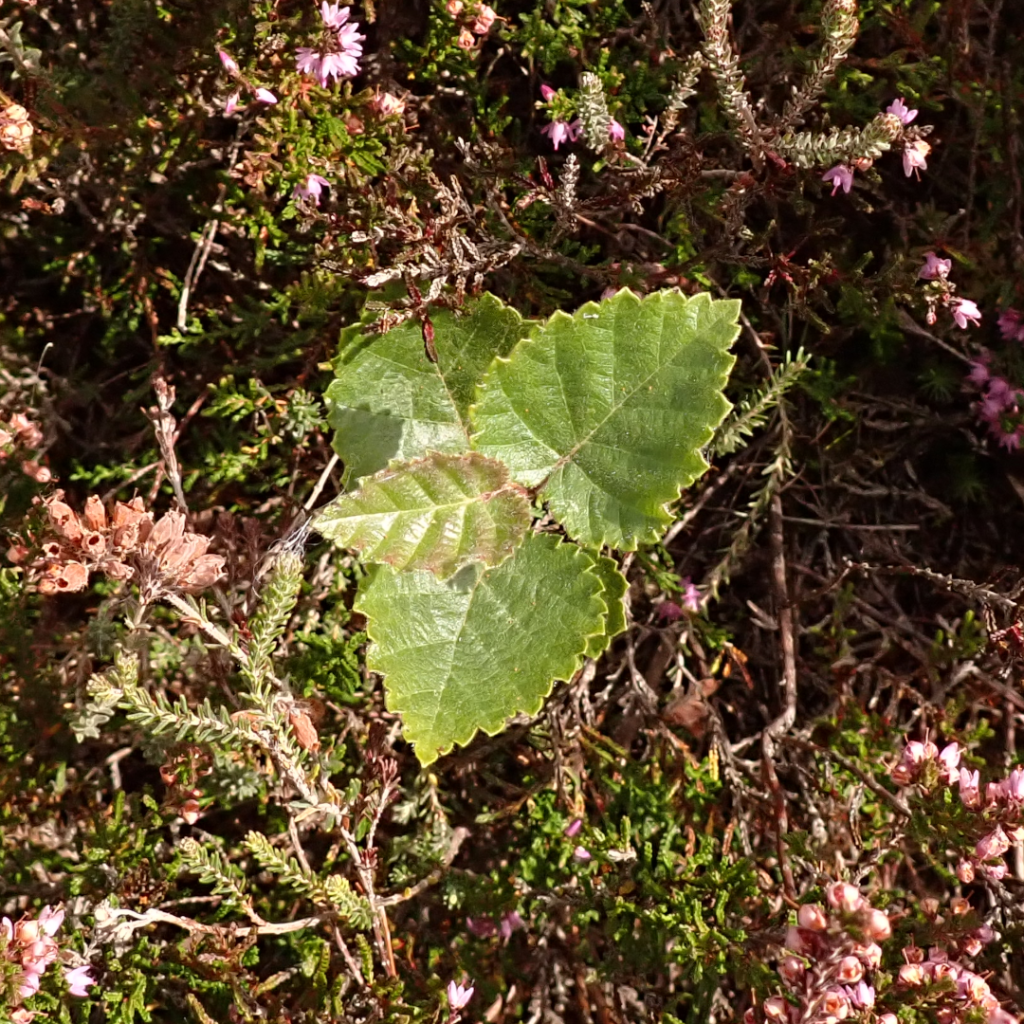
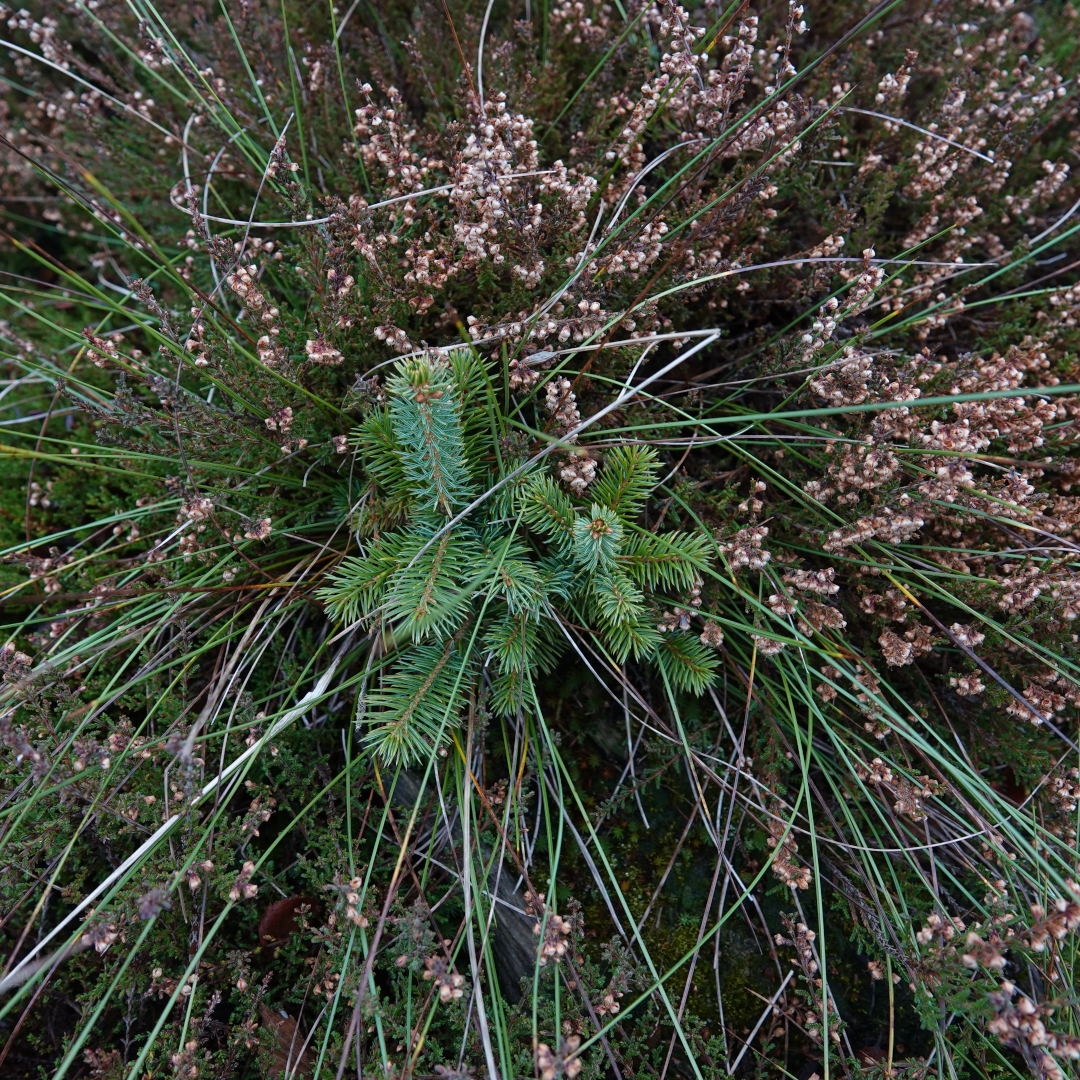
The trees are mostly birch but there is also pine and spruce.
The aim is to remove them when small using saws and mini mattocks. A tree popper will be used for the larger saplings.
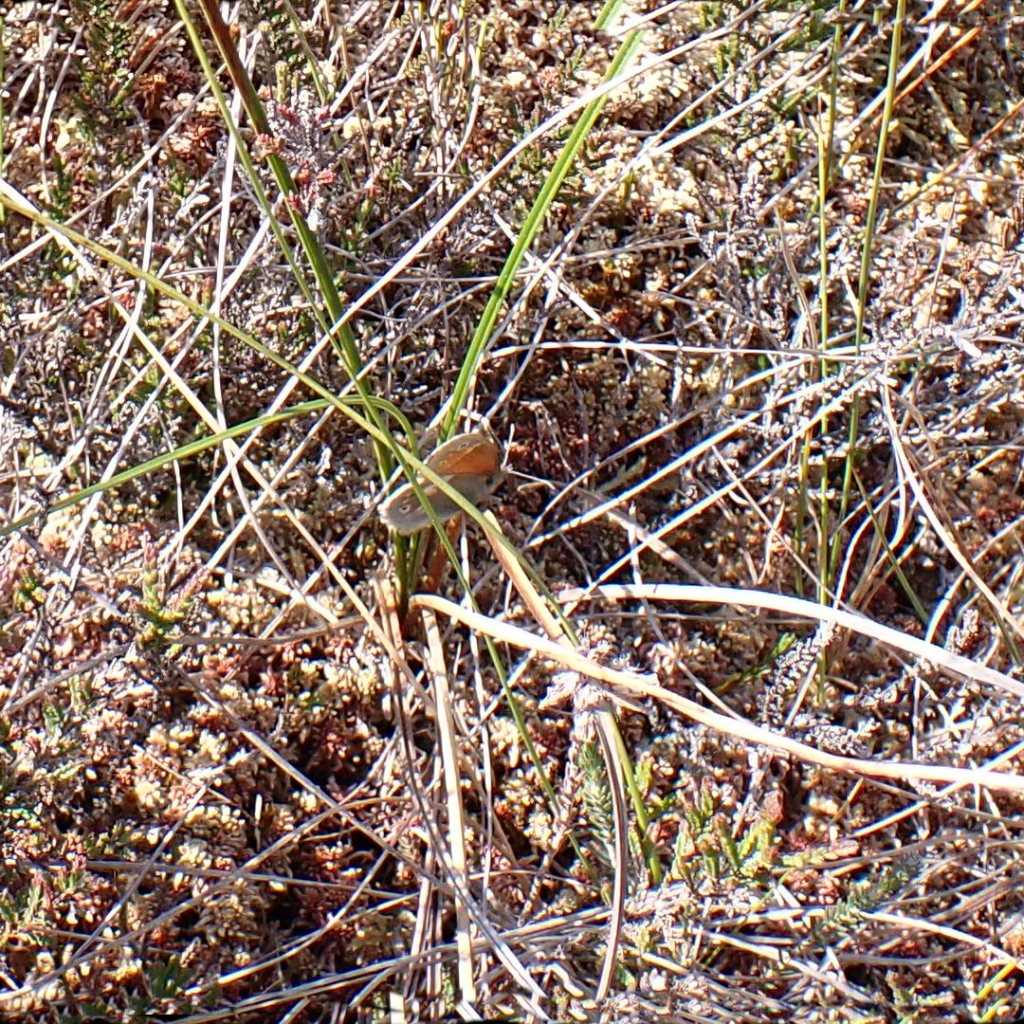
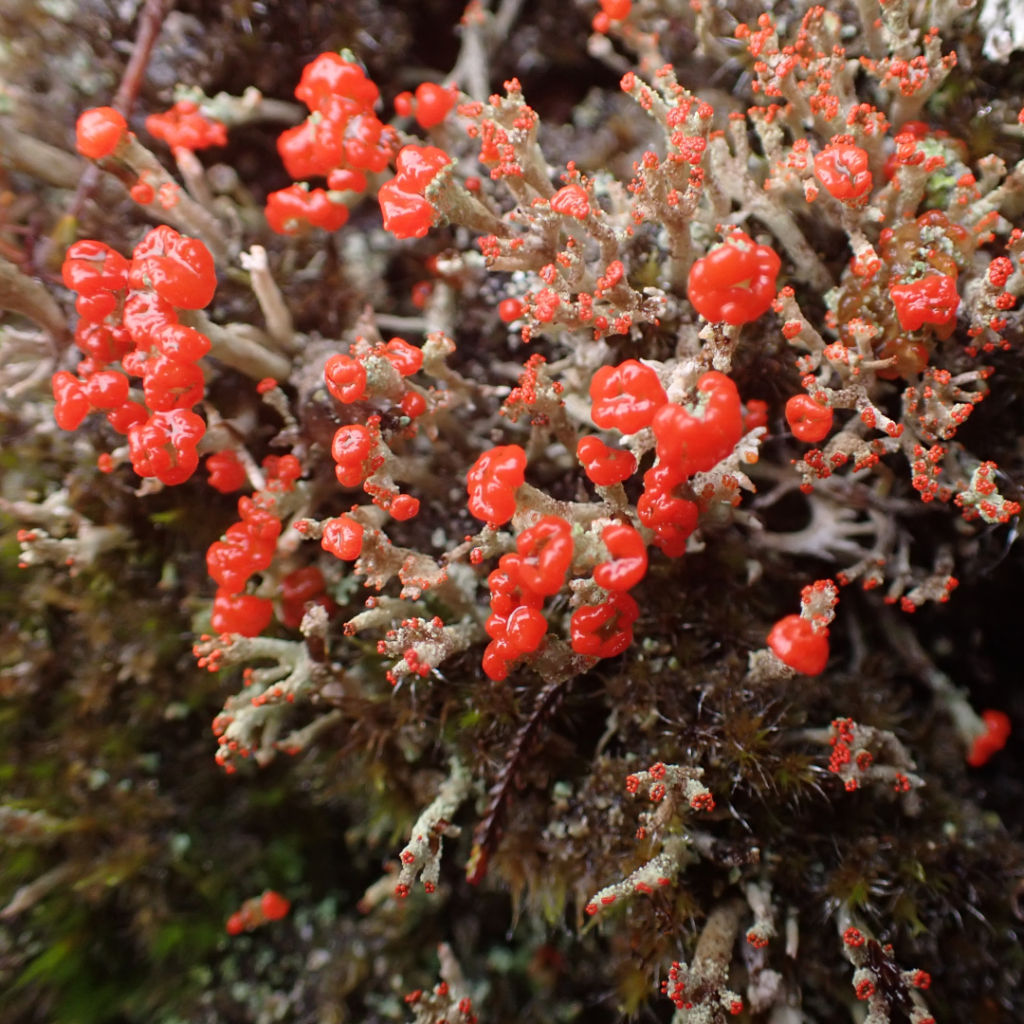
A variety of wildlife inhabit the Local Nature Reserve including many peatland specialists.
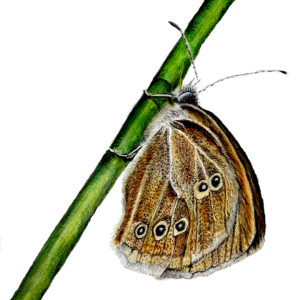
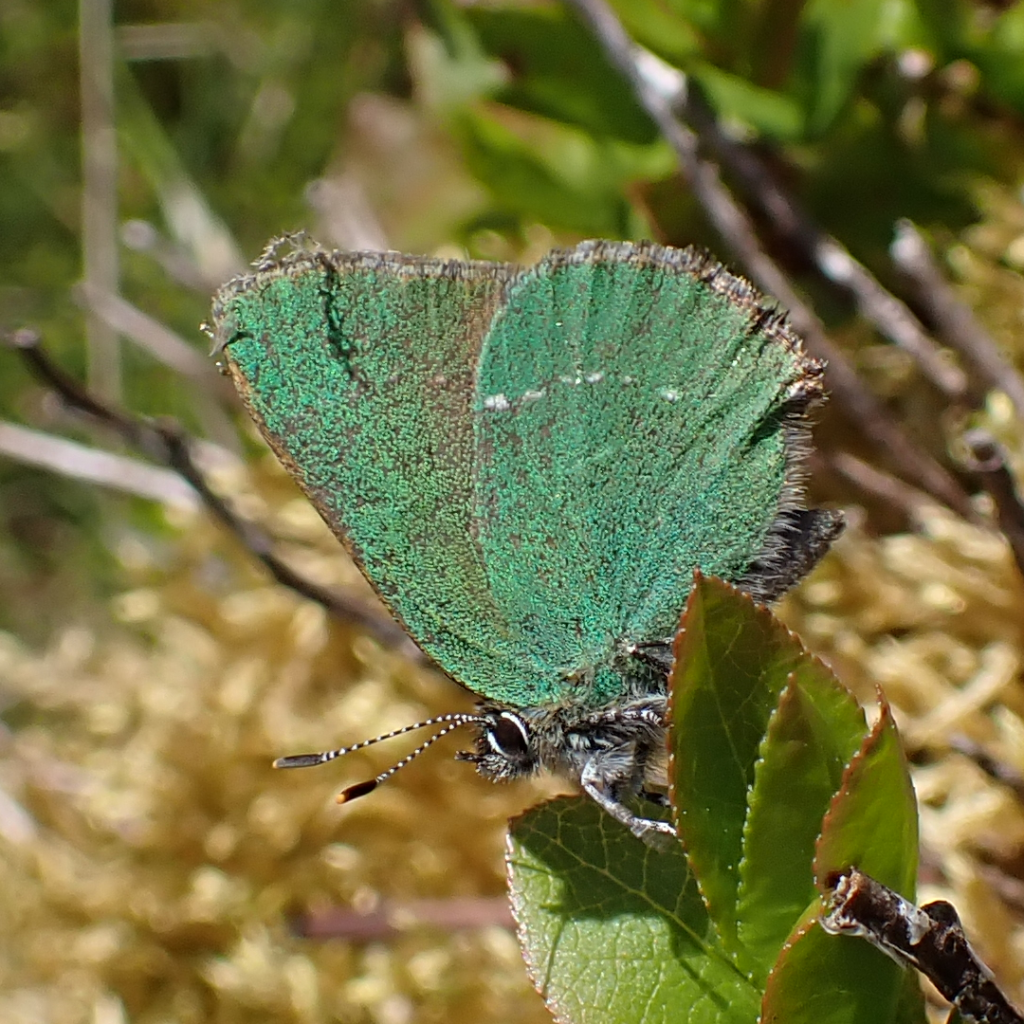
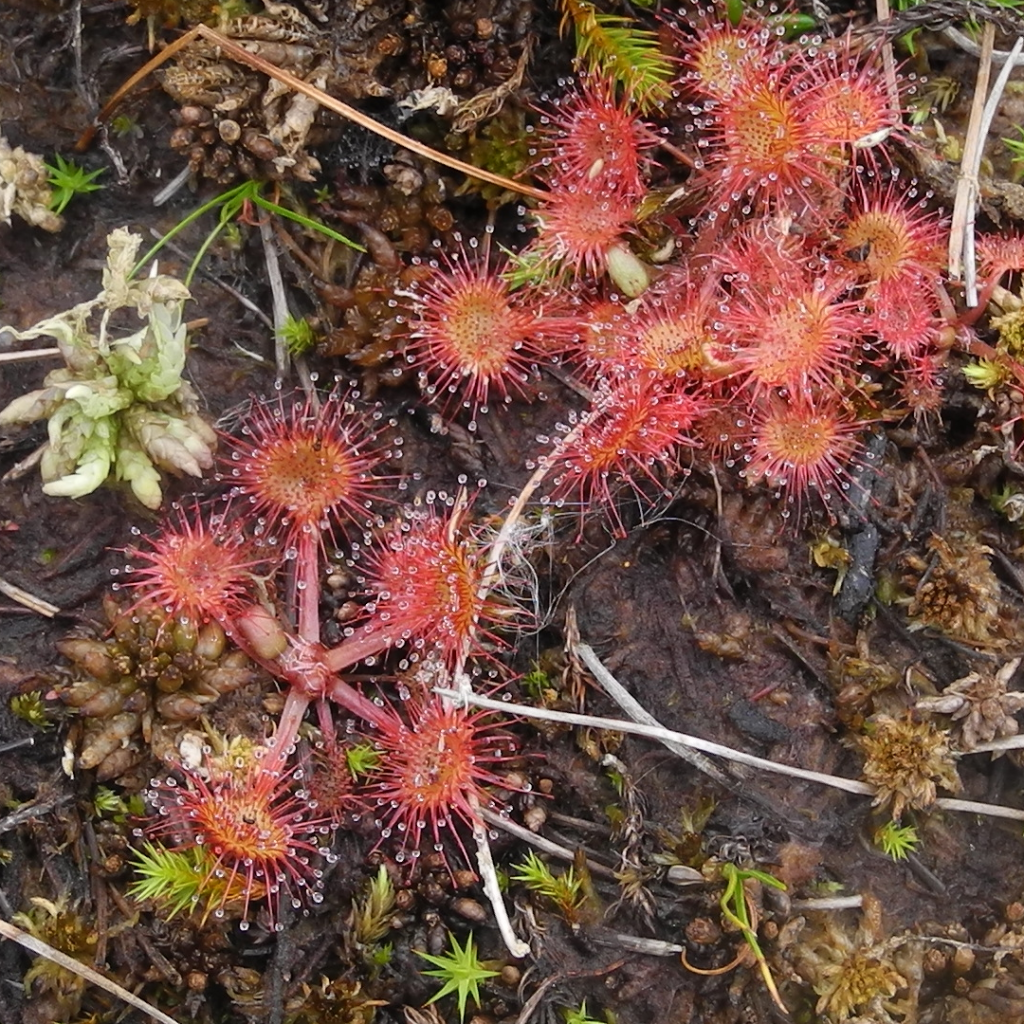
Sundews, Green Hairstreak Butterflies, and Large Heath are some of the bog inhabitants you can see. Visit Langland’s Moss page to see what else you can spot.
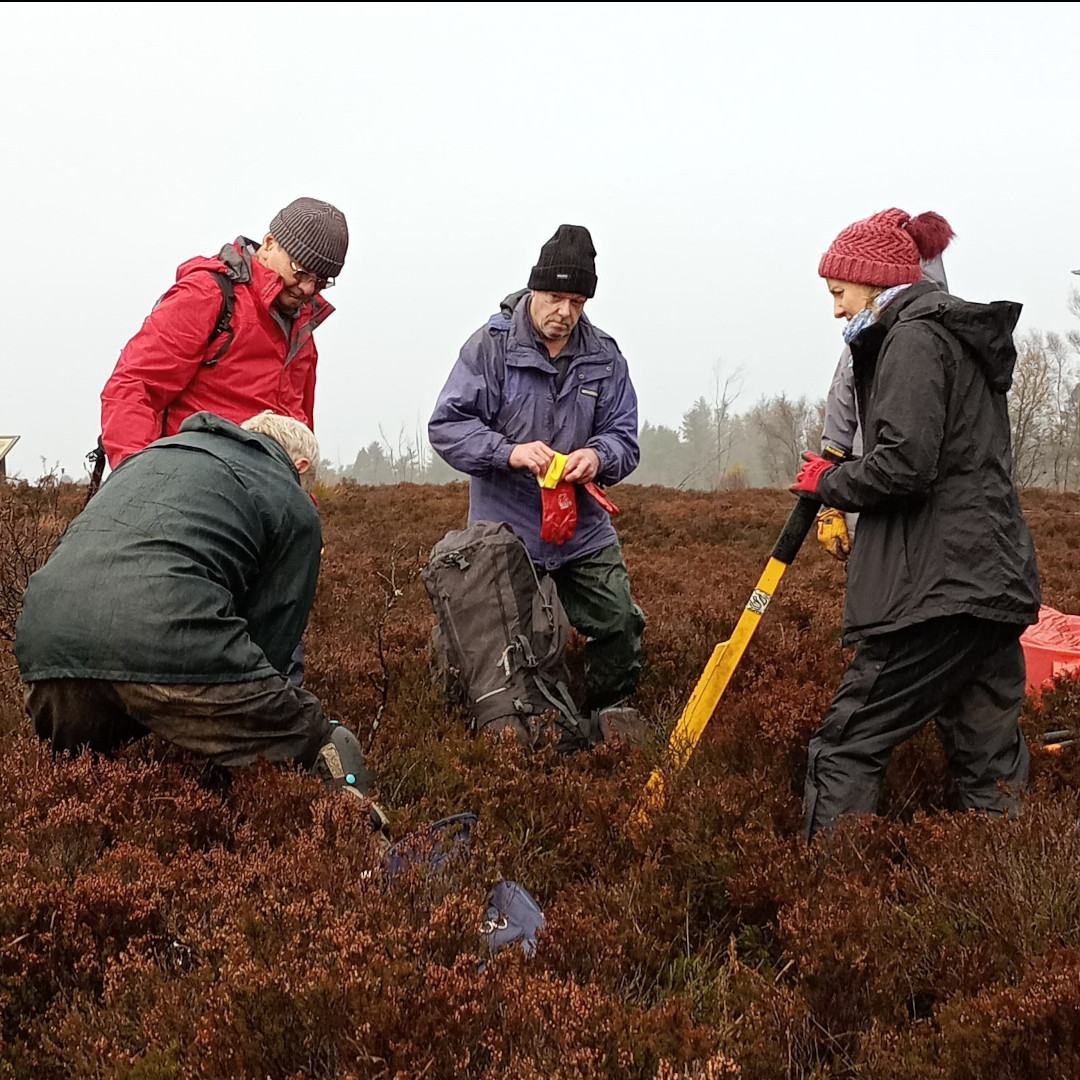
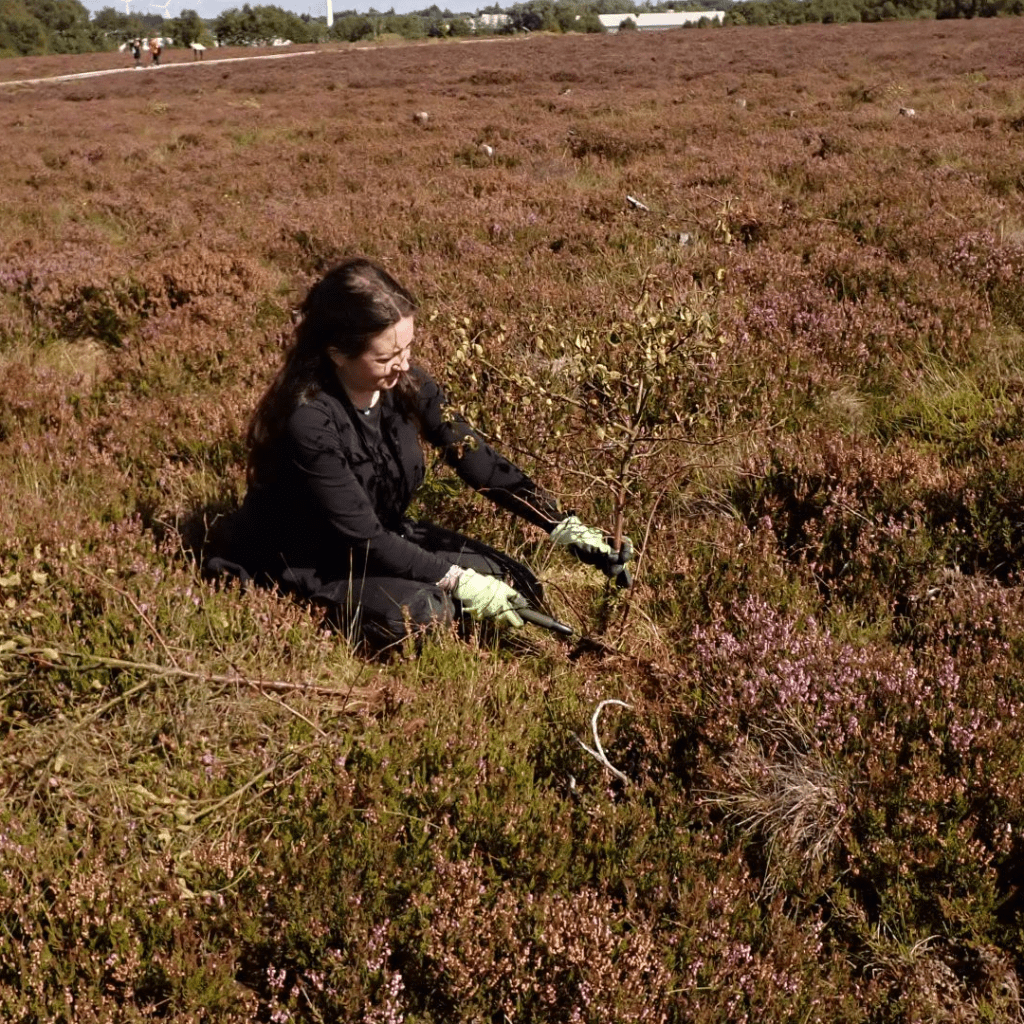

We are looking for volunteers. The terrain can be challenging, but we all just take our time getting across the bog.
It is mostly small saplings that will be removed using Folding Saws and Mini Mattocks. However, if you fancy a challenge, then you could try some of the larger saplings with a tree popper. It is up to you.
It can be wet and chilly so you will need wellies, waterproofs, and warm clothing. If you would like to help weed the bog, the next session is with Butterfly Conservation Scotland. It is on the 30th of November. You need to book in advance so get in touch with Butterfly Conservation Scotland.
 Incredibly Wild East Kilbride