We Are Making A difference

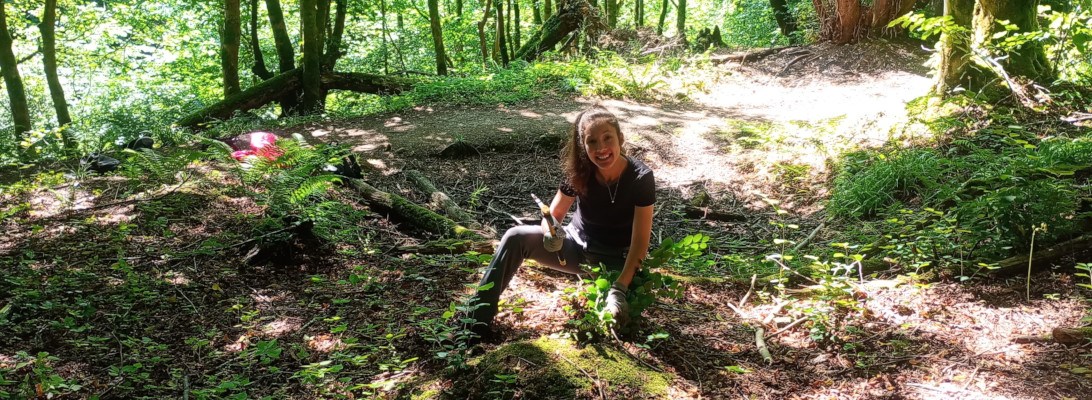
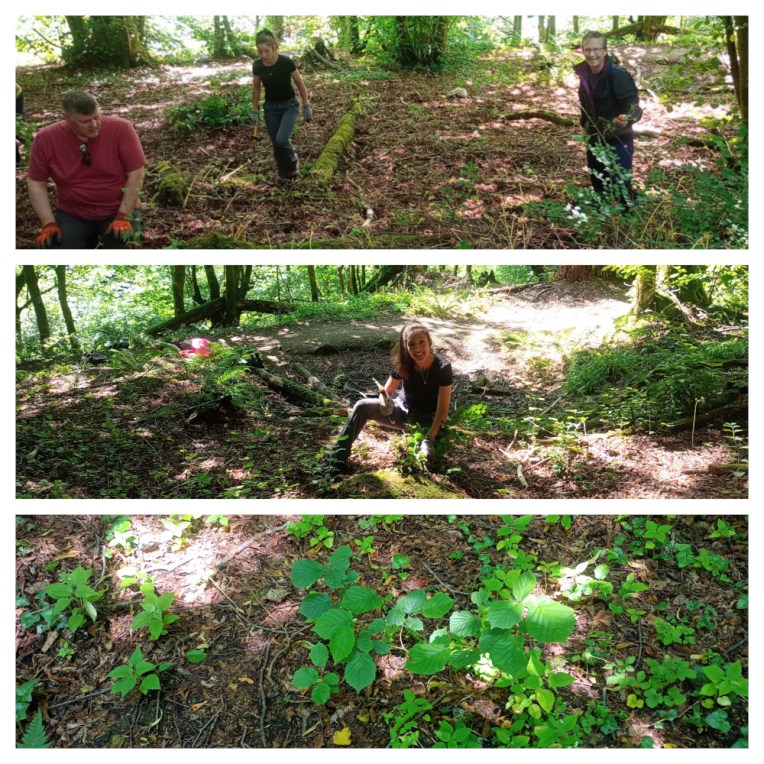
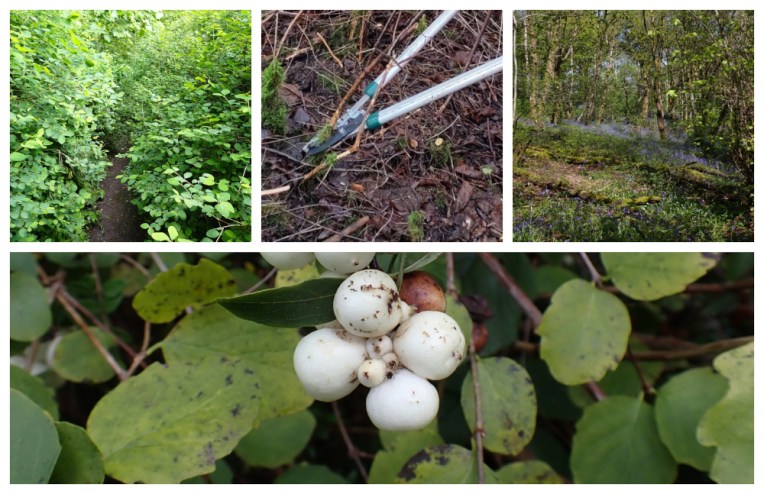
It has been hot, but we stayed cool by working under the trees, removing the small, persistent snowberry roots and shoots. It has taken many volunteer days to push the Snowberry back from the path and the bell pits in the area above Castle Falls. This is located at the Calderwood end of Calderglen Country Park. Over the summer, it has been rewarding to see young trees, bluebells, Enchanter’s Night Shade, and other native plants reclaim the woodland from the invasive non-native Snowberry. So, thanks to everyone who has contributed their time. We are making a difference

Also, thanks to South Lanarkshire Countryside Rangers for ongoing support and to TCV – The Conservation Volunteers for their grant, allowing the Calder Wood Volunteers to purchase the necessary tools to clear Snowberry from our local woodlands.

For more information, visit the Wild Projects page

Summer Highs and Lows

Poor weather has not made it easy to get out and find butterflies.

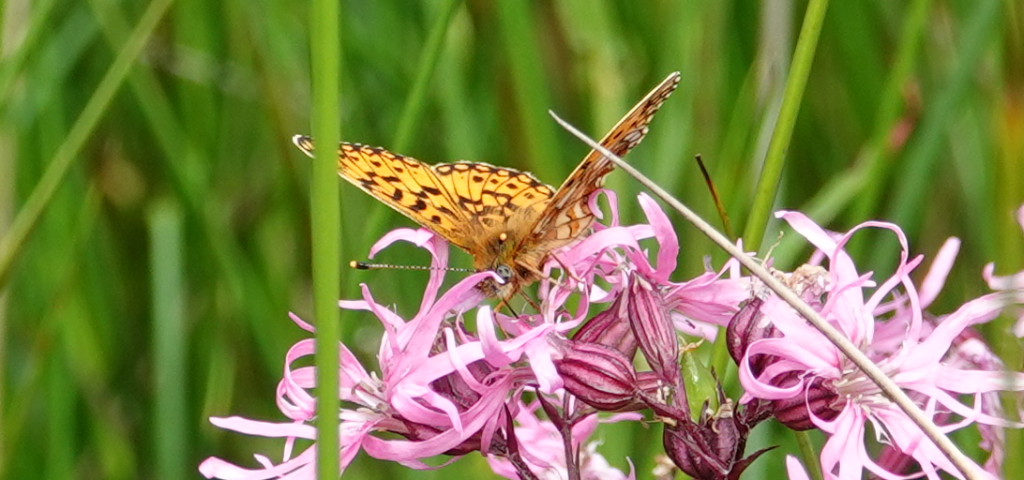
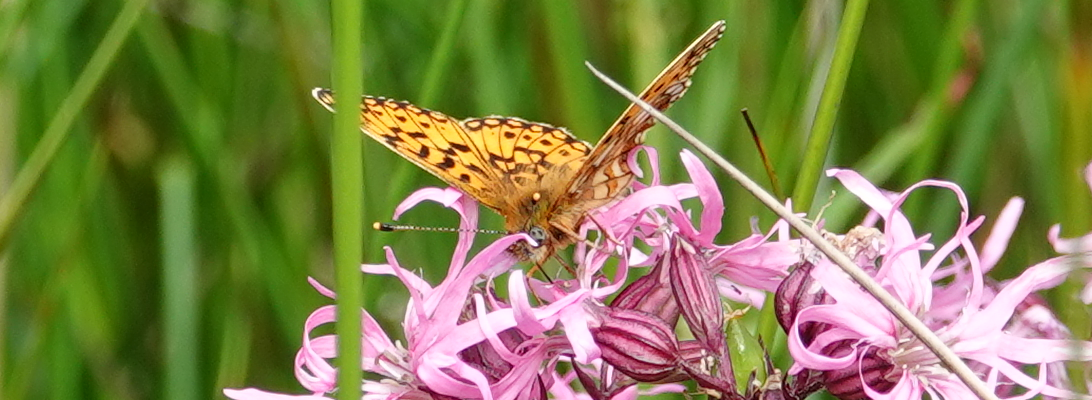
The Small Pearl-Bordered Fritillaries were spotted only on Blantyre Muir as there was no opportunity to try and look for them on other sites.

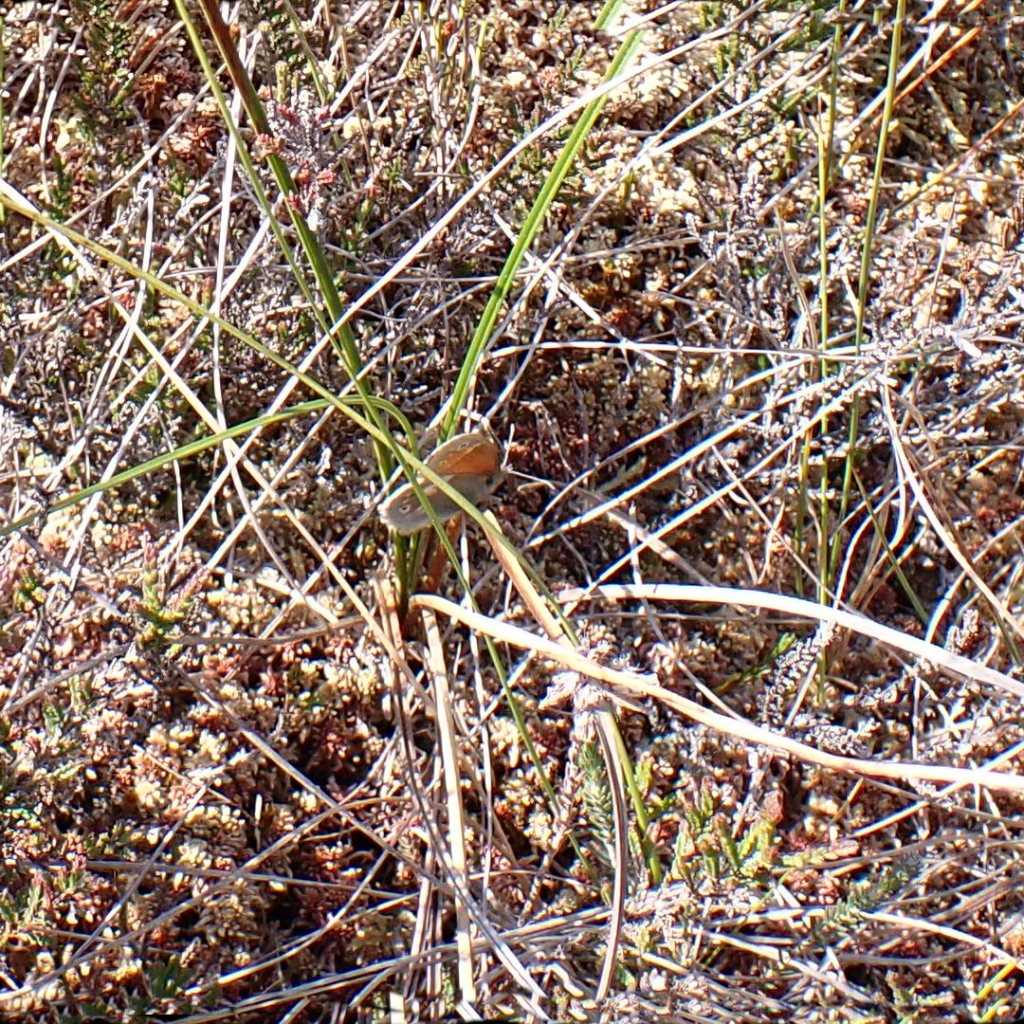
Suitable weather conditions to find Large Heath Butterflies did not occur on the days when I was available.

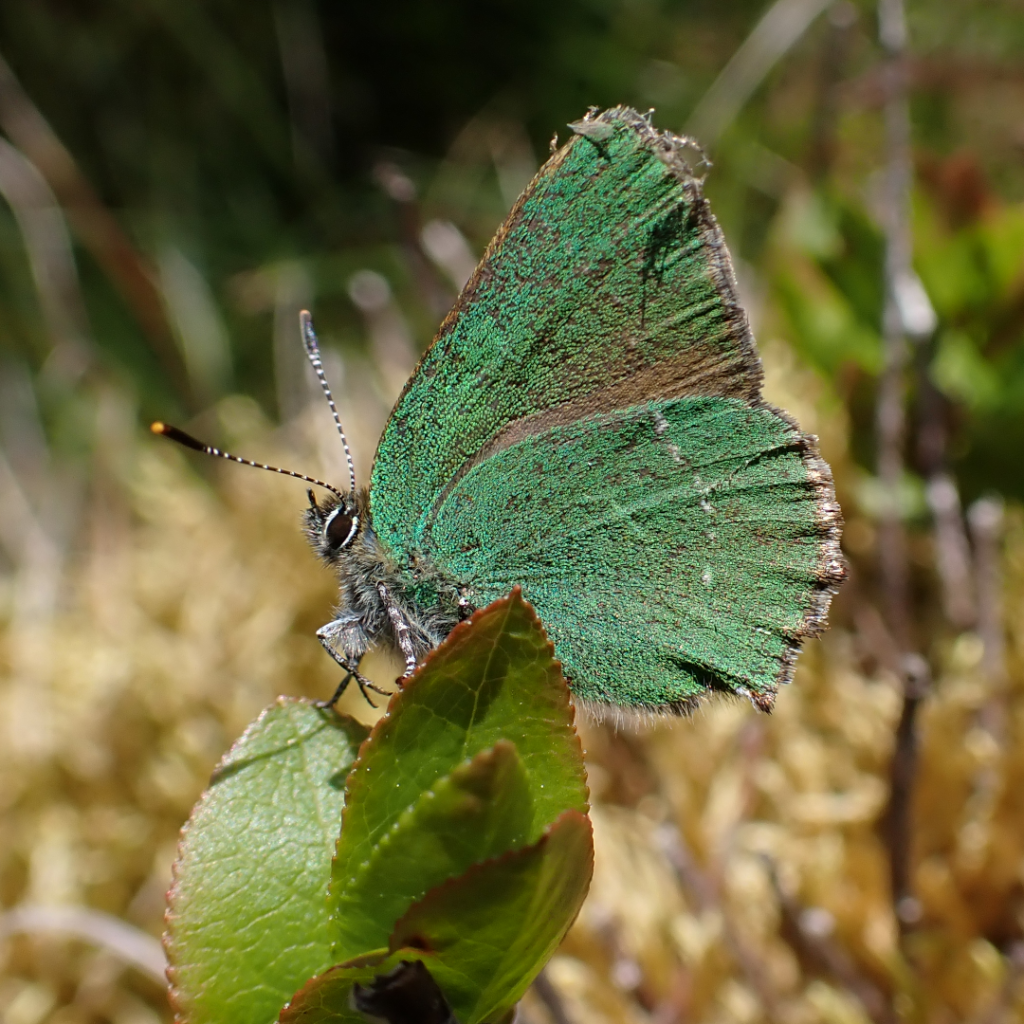
With the cool weather in the spring, I only managed to spot Green Hairstreak Butterflies on Langlands Moss and nowhere else. The opportunity was not there to see how they were doing on Blantyre Muir.

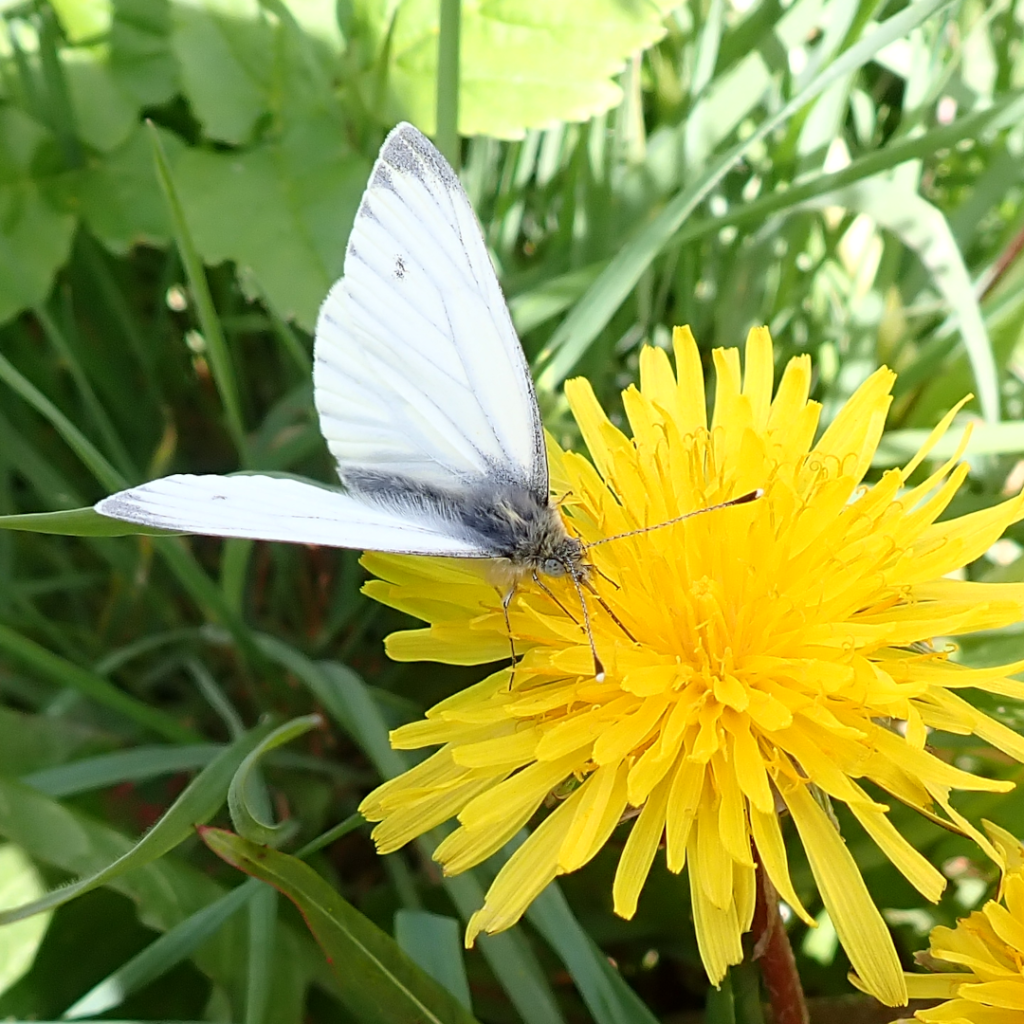
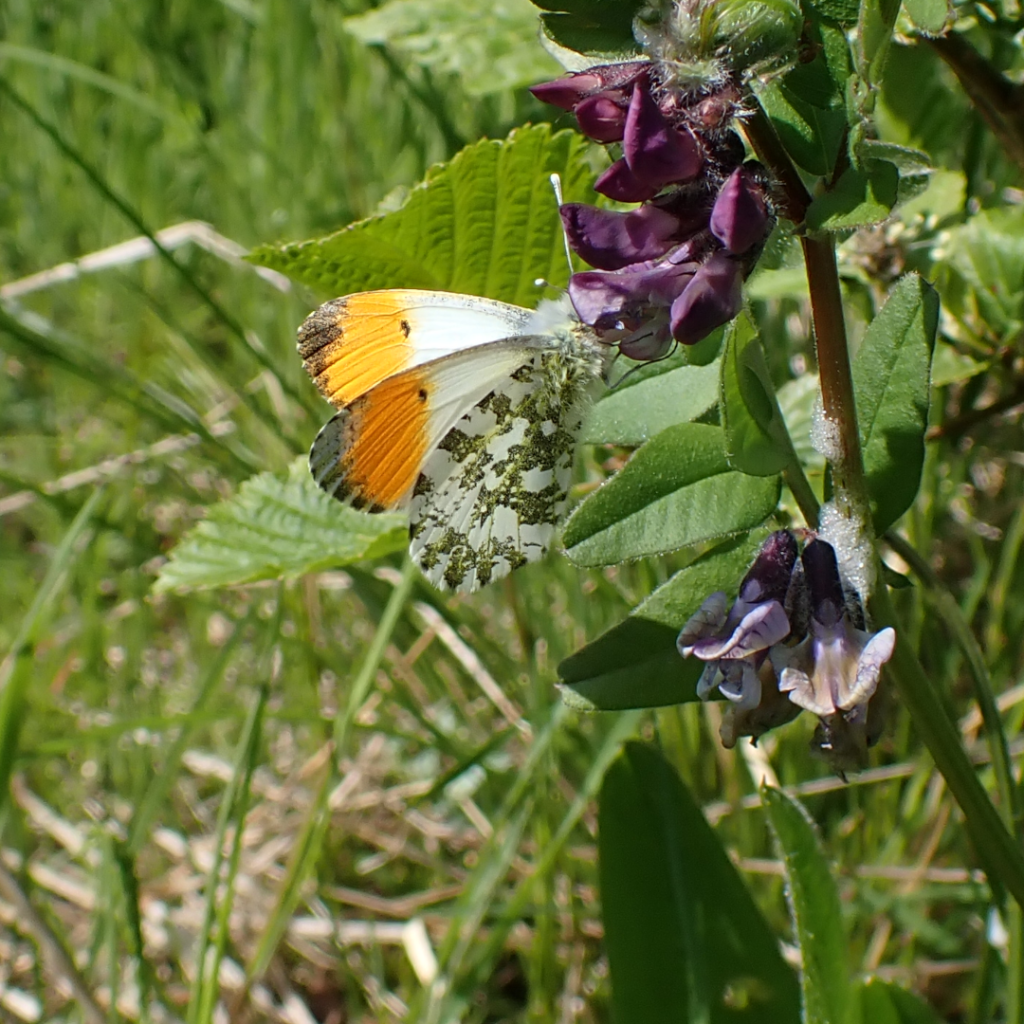
Green-Veined Whites and Orange Tips were also spotted, with Orange Tips being more numerous, in my view, than last year.

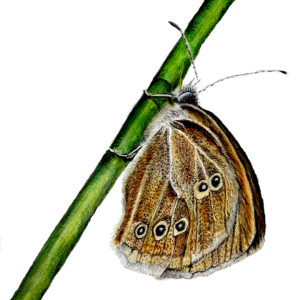
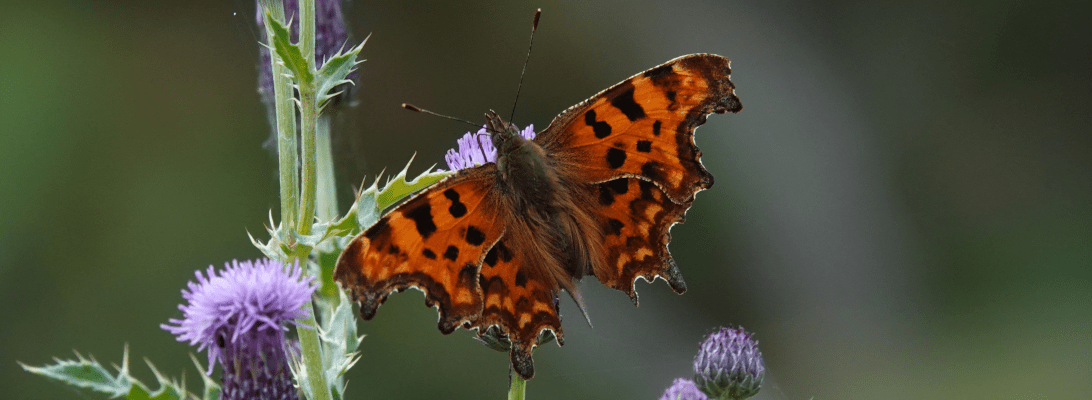
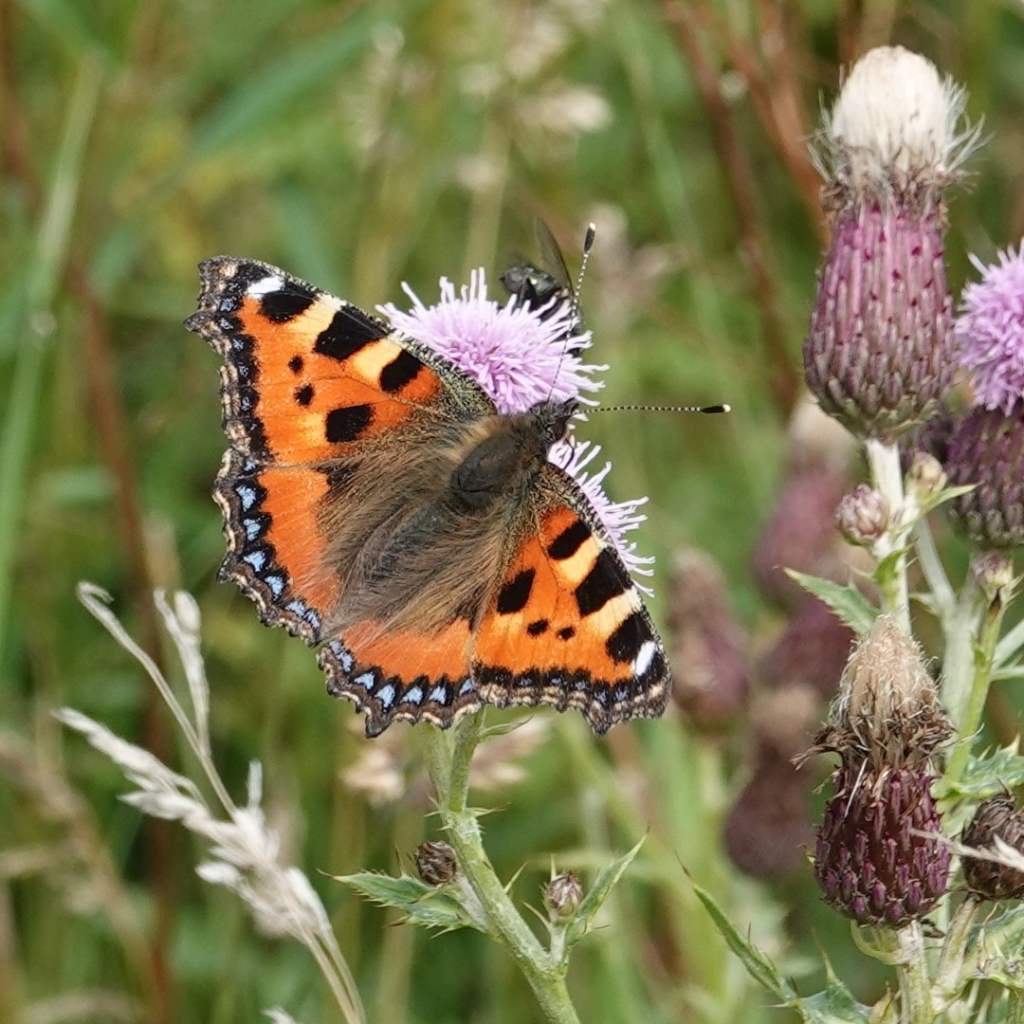
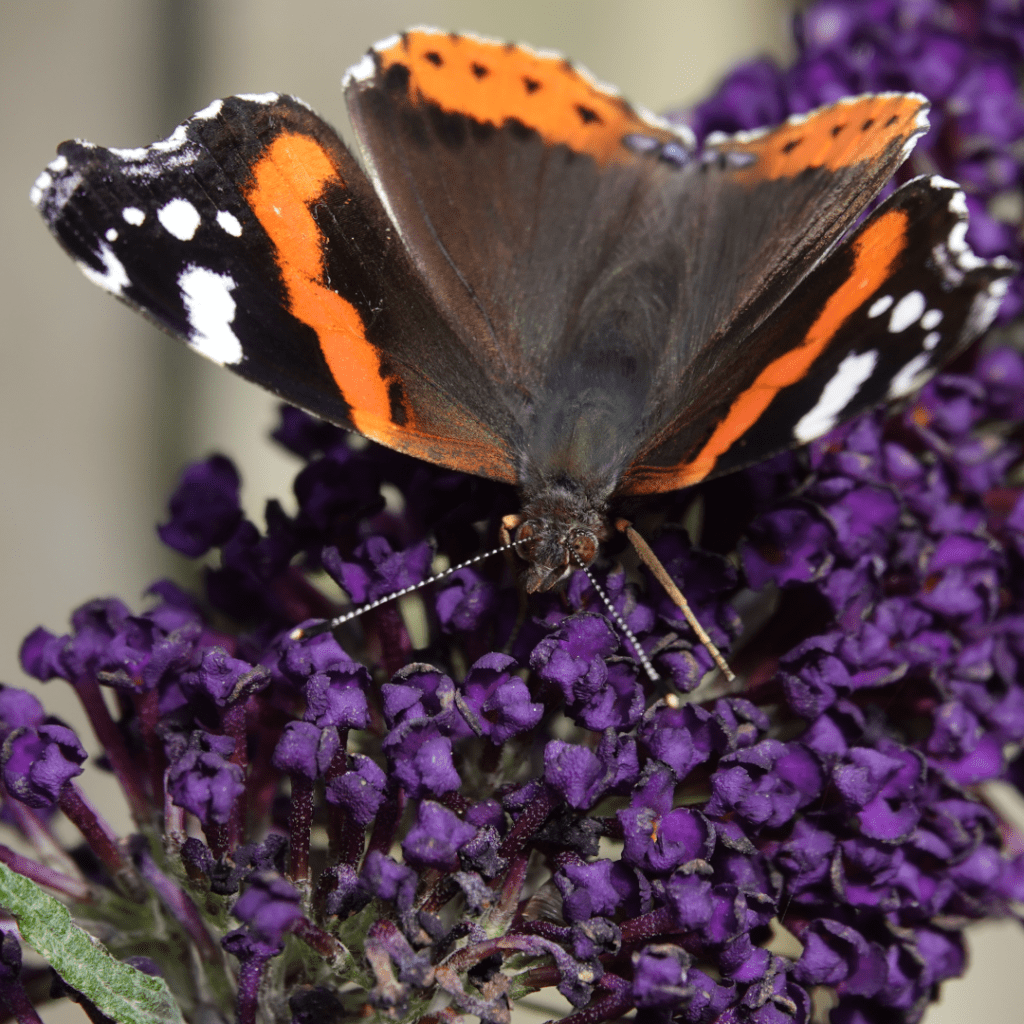
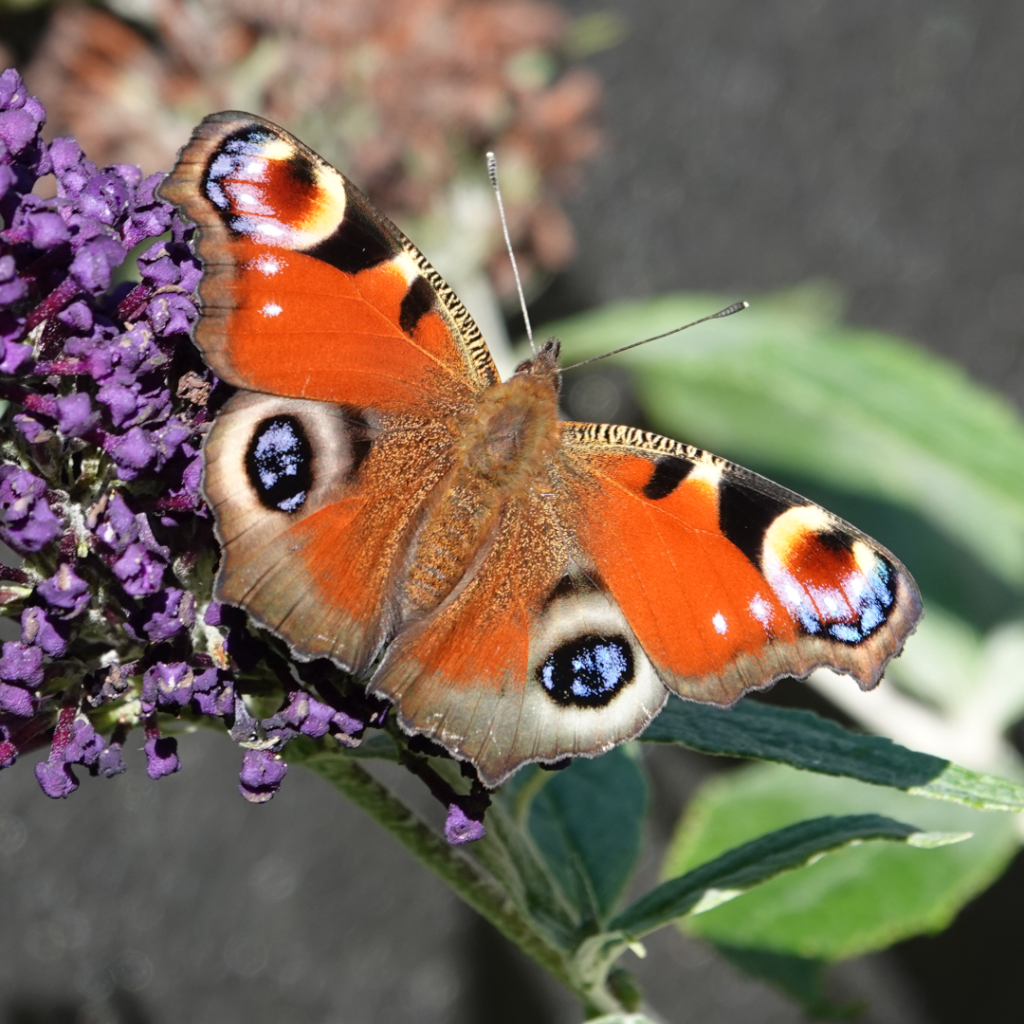
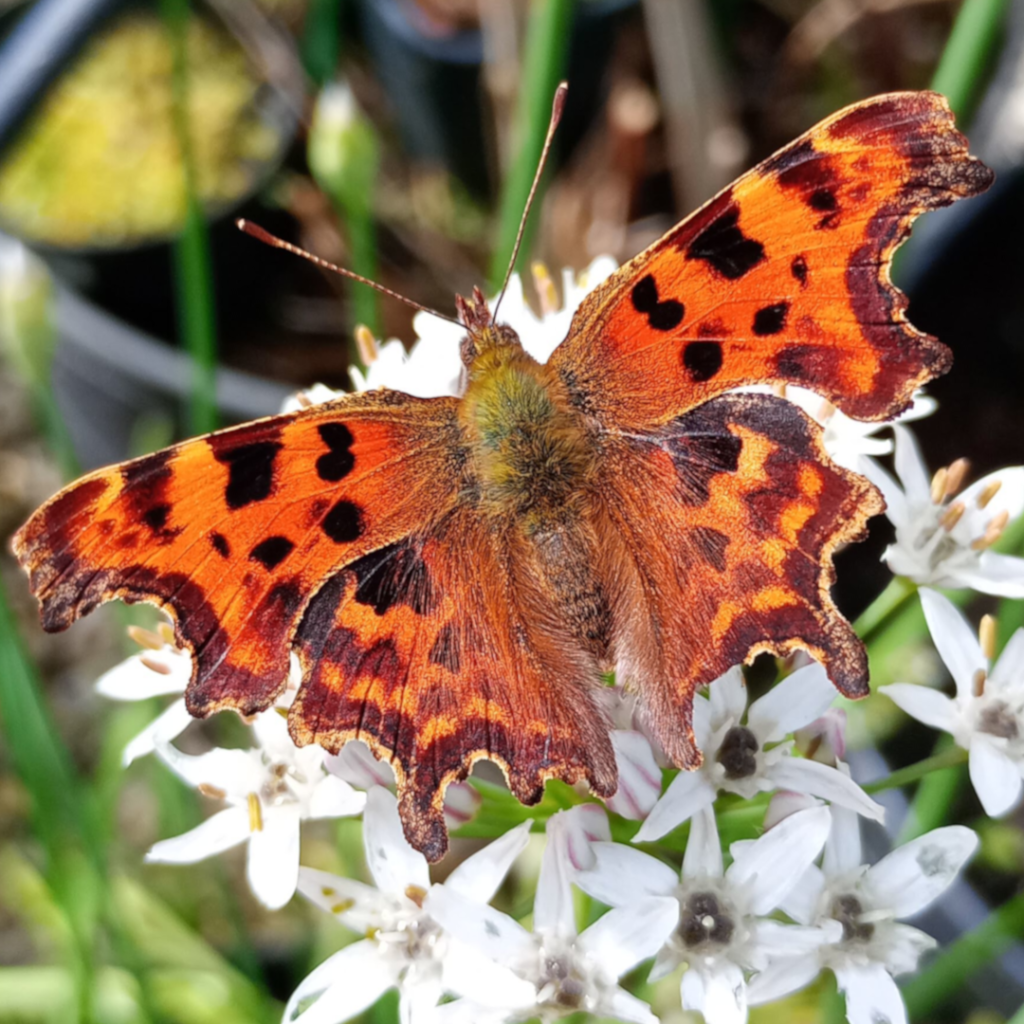
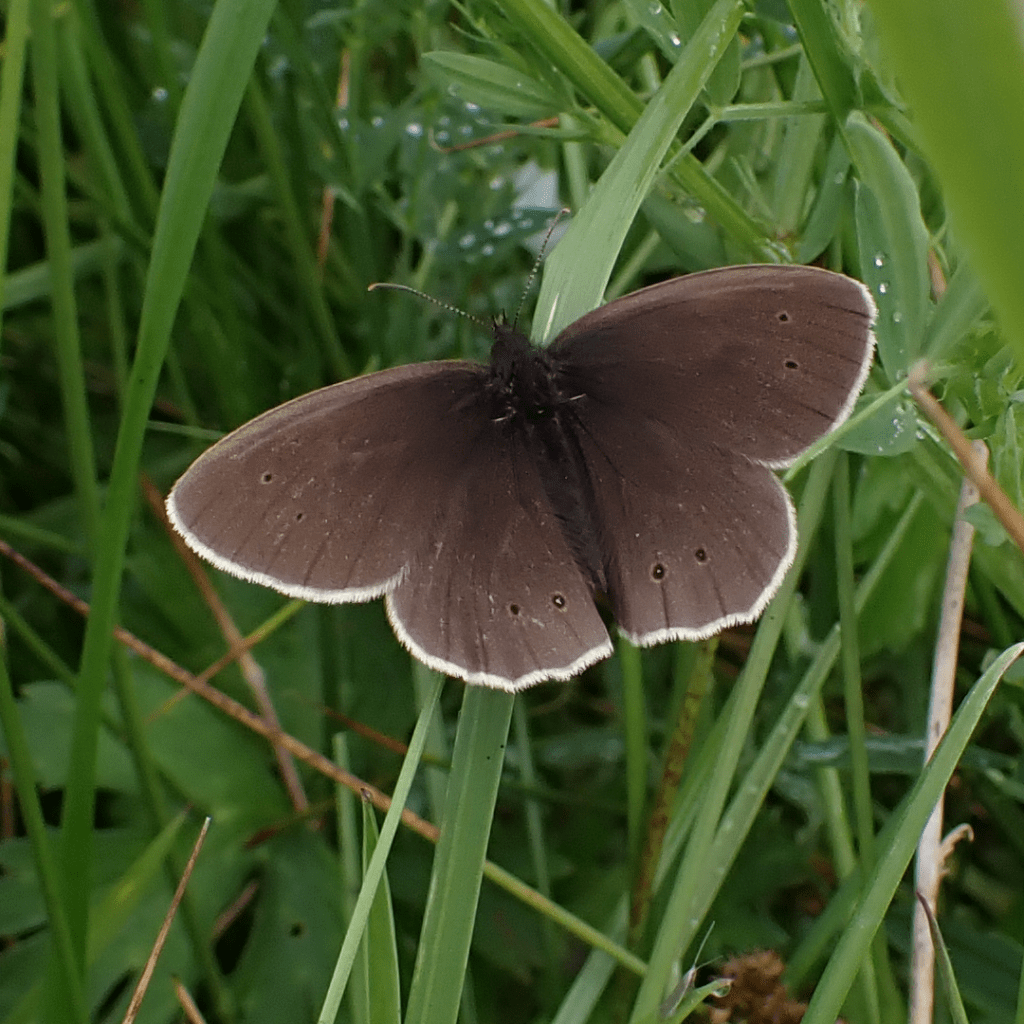
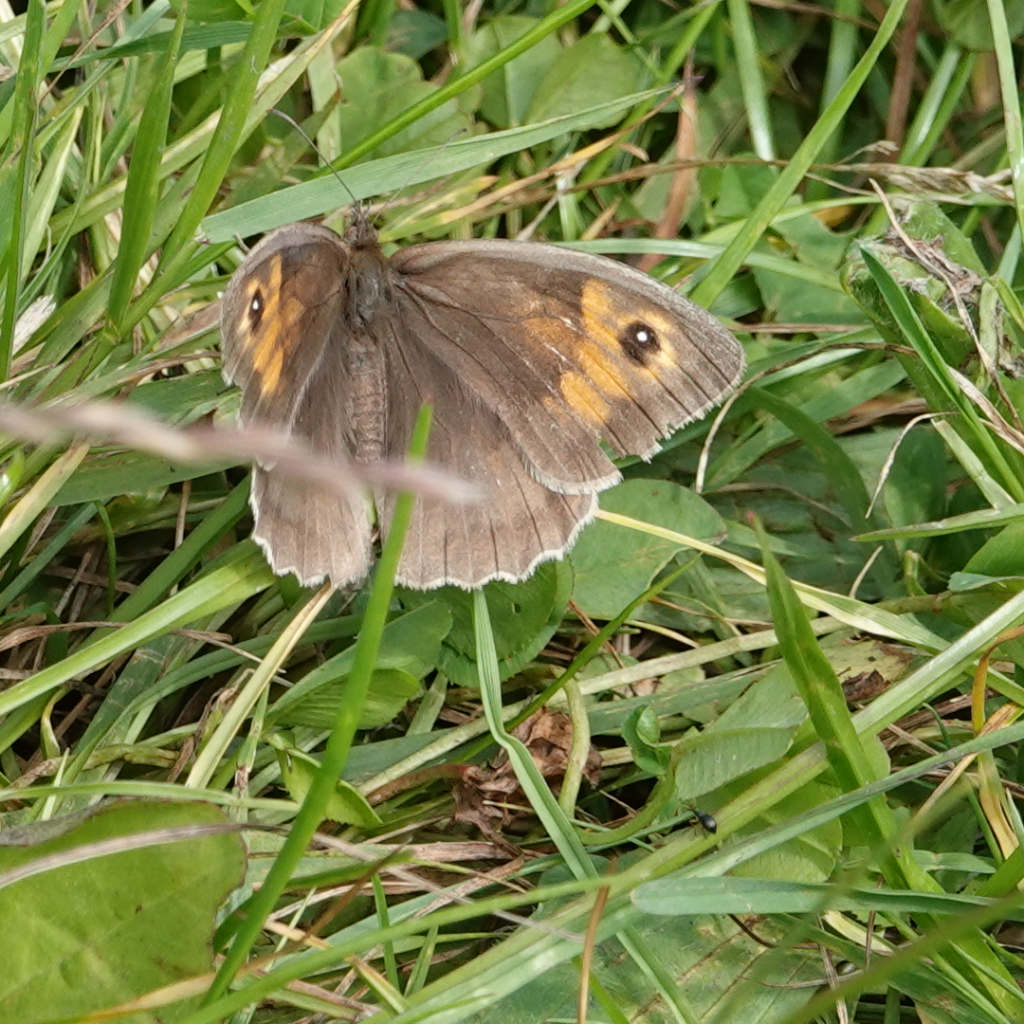
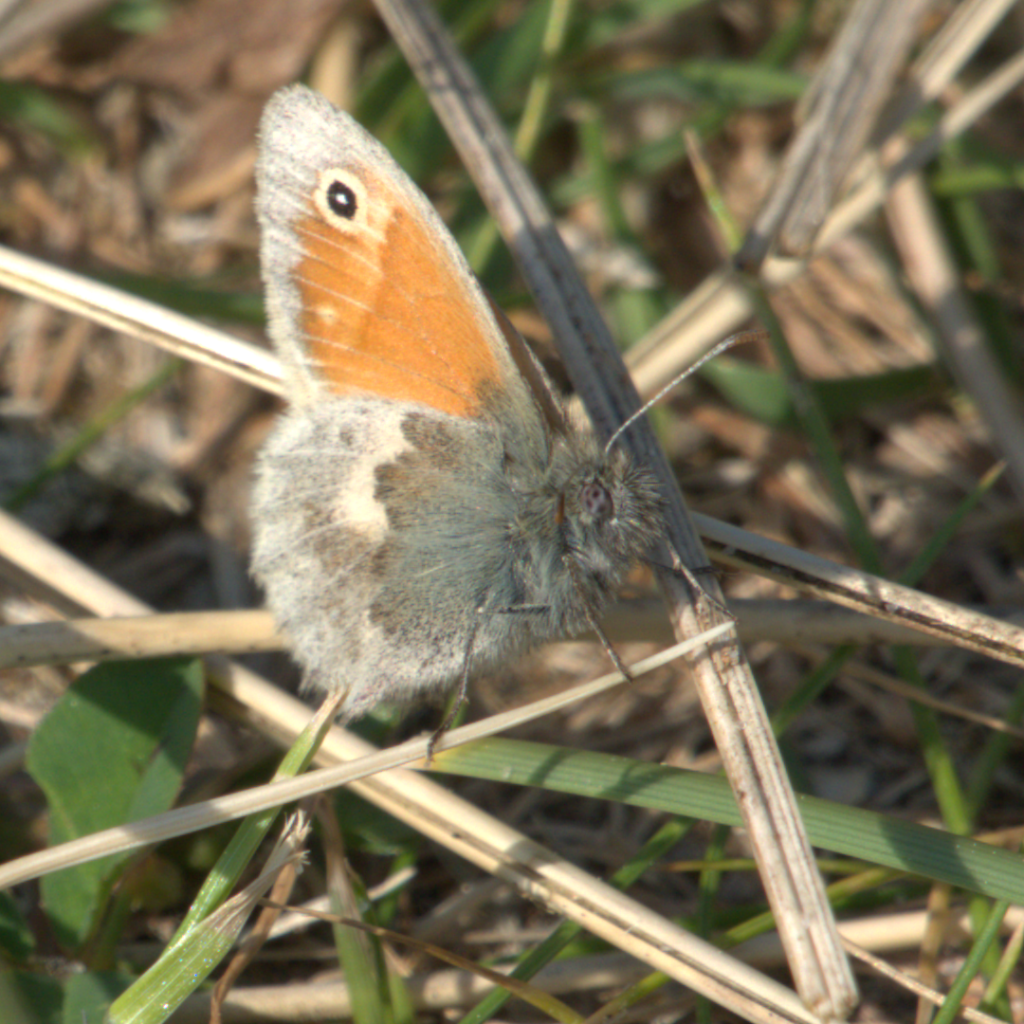
The other common butterflies spotted were the Small Tortoiseshell, Red Admiral, Comma, Ringlet, Meadow Brown, Small Heath, and Peacock. Sadly, the number of sightings was down from last year.
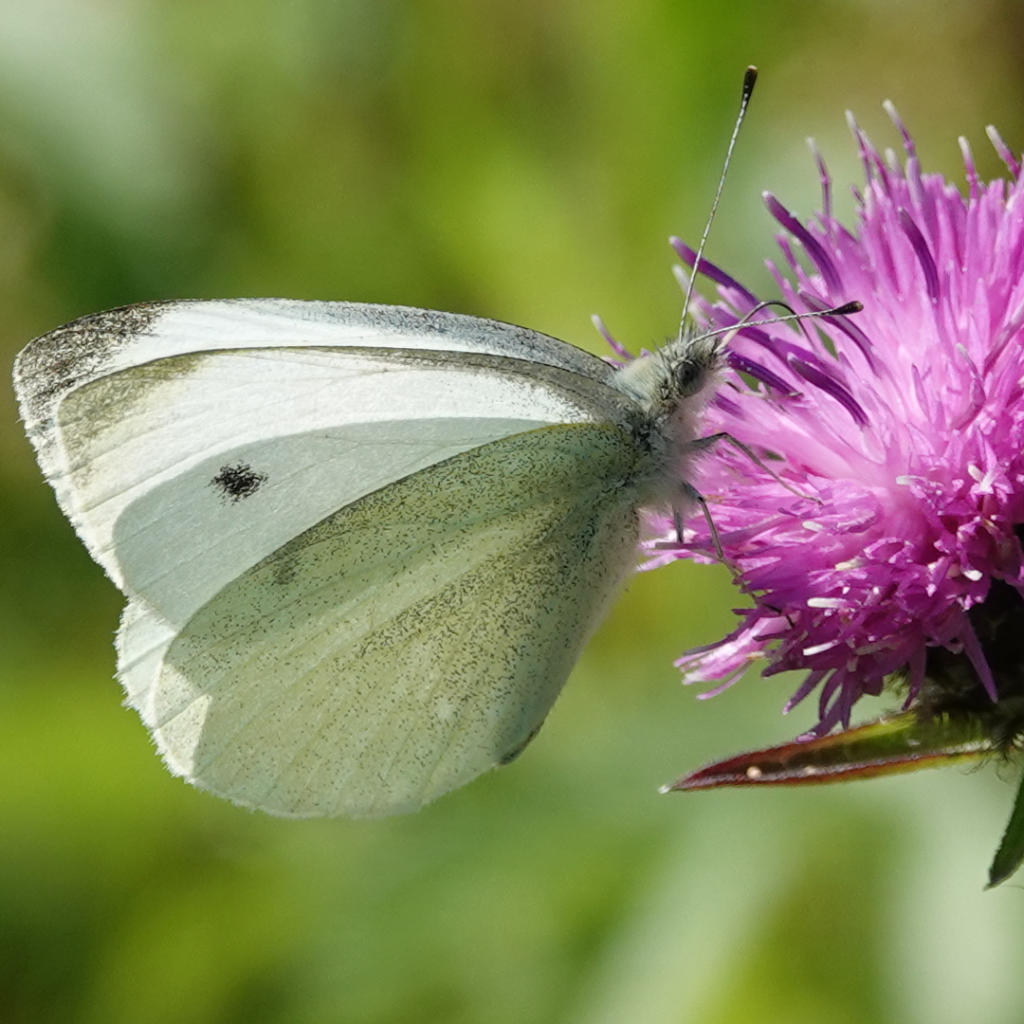
As for the Cabbage Whites, both Small and Large White, the best place to see them was on allotments.

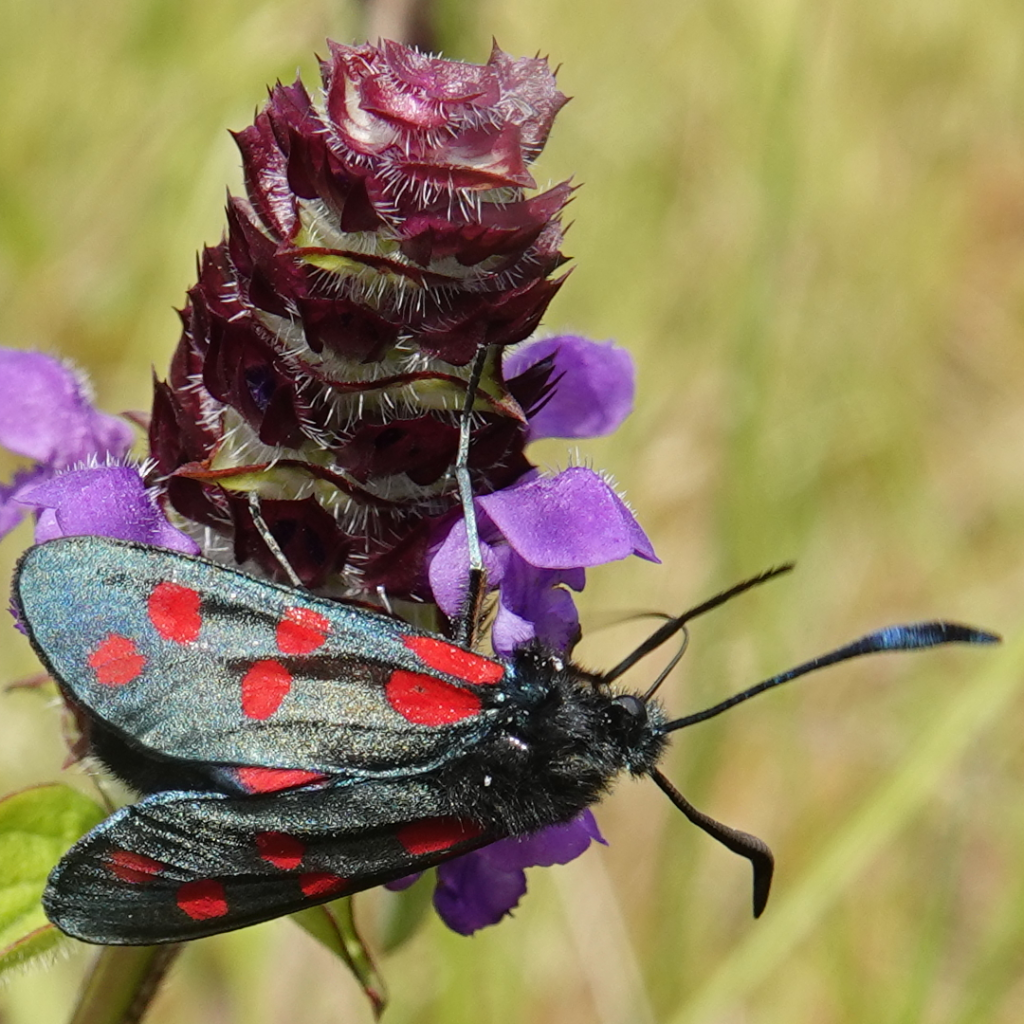
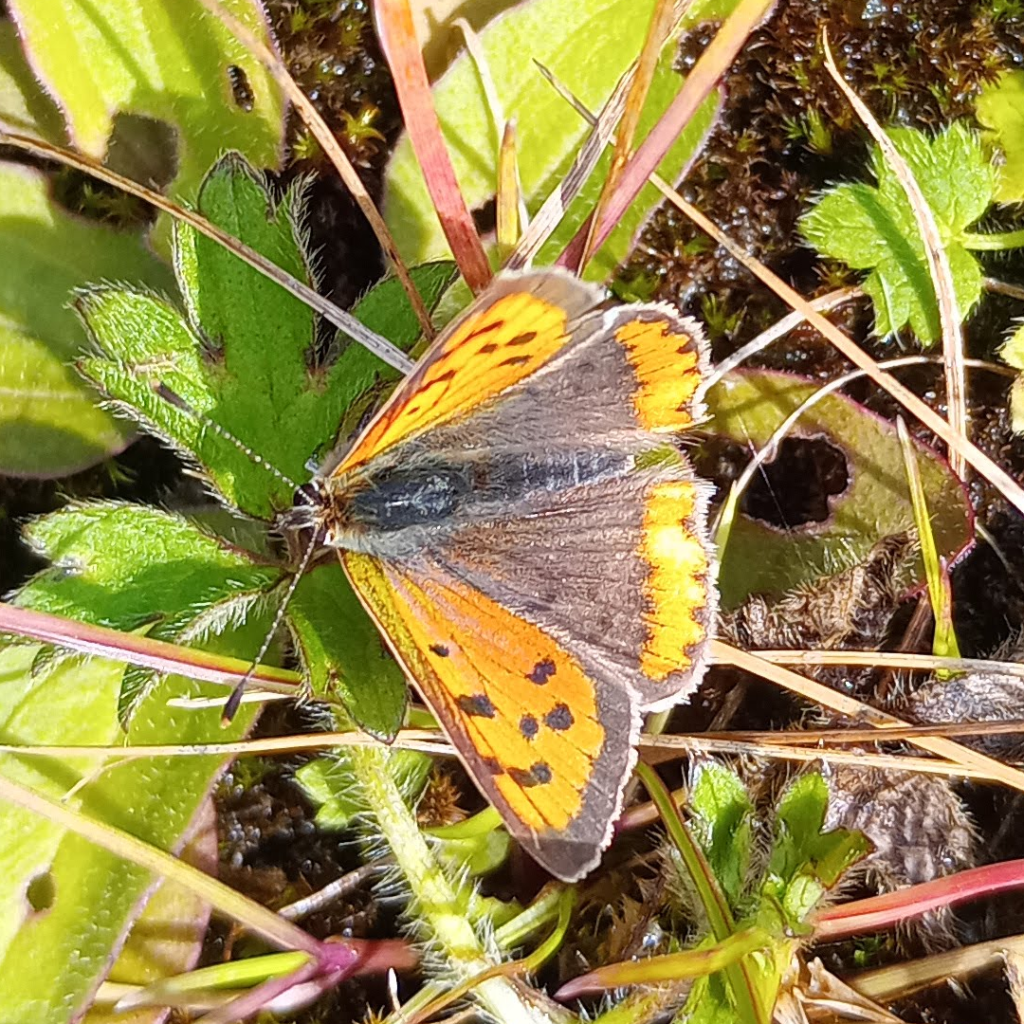
On a more positive note, the Small Copper Butterfly, a tiny butterfly that is hard to spot, was seen along with Burnet Moths at Glen Esk Pocket Park.

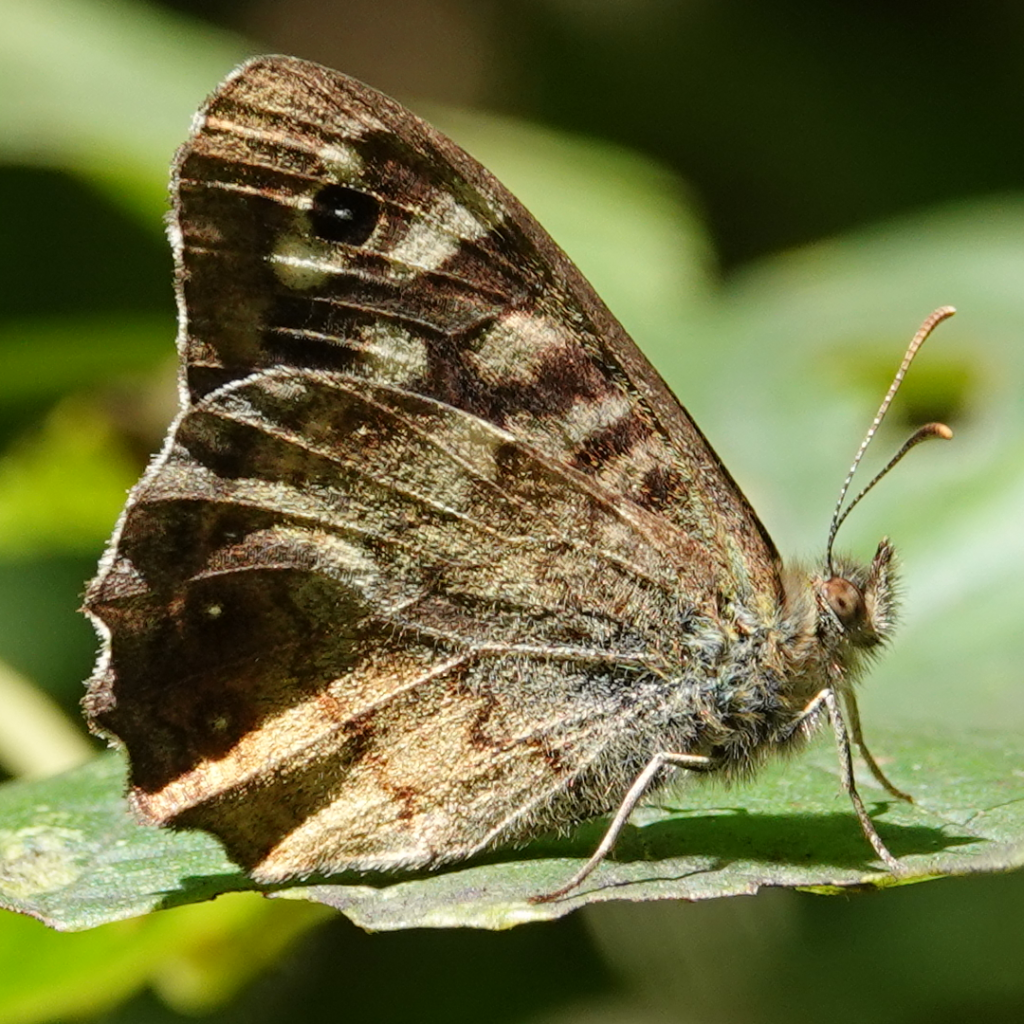
However, the biggest surprise was the Speckled Wood Butterfly, with sightings at Calderwood, Brancumhall, and West Mains. This butterfly does appear to be increasing its range.

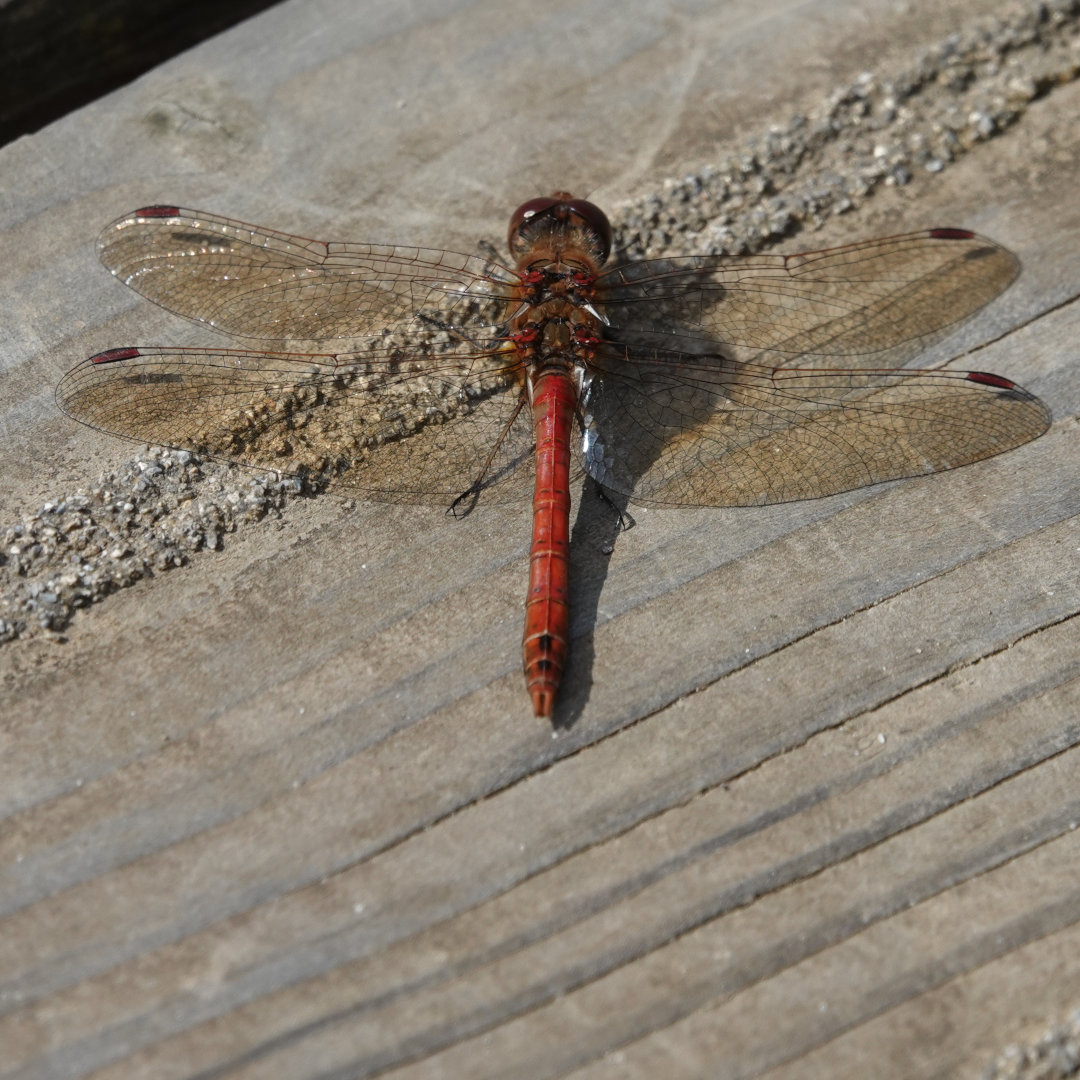
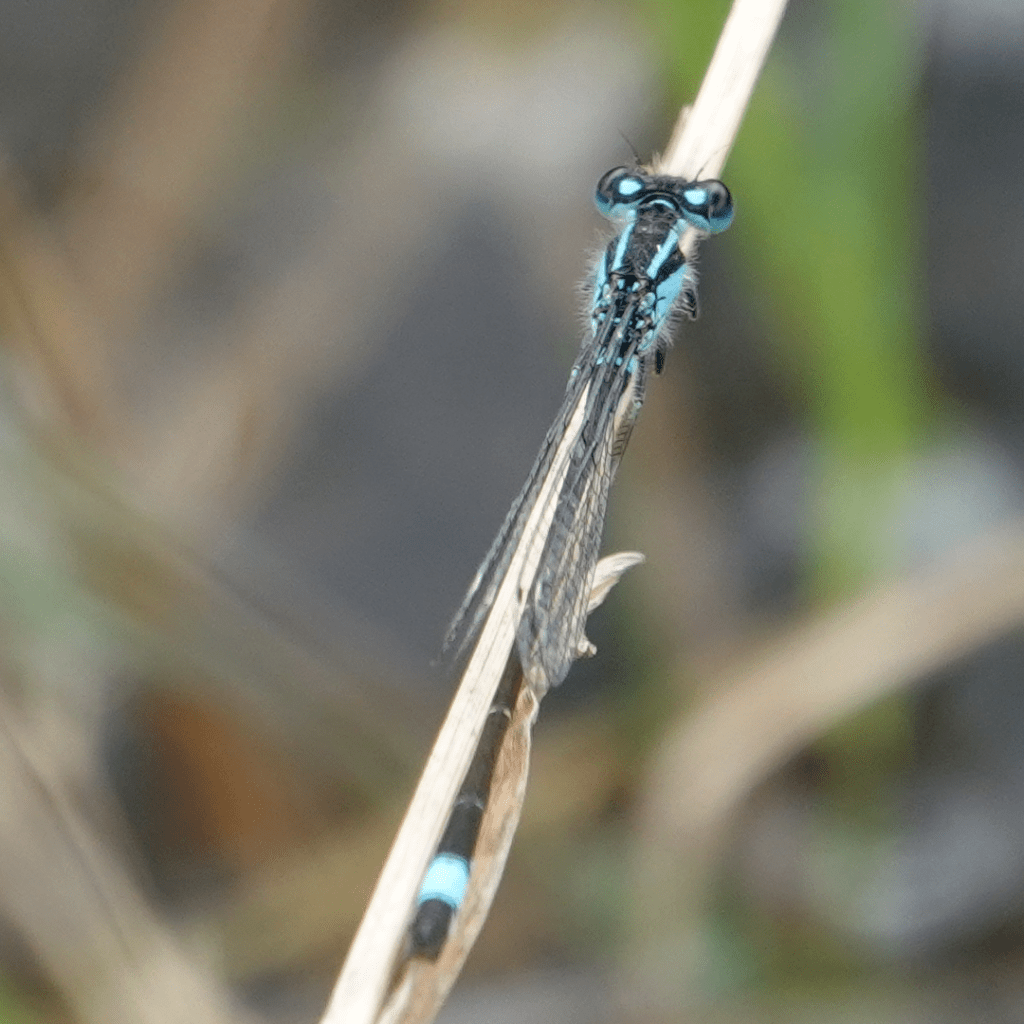
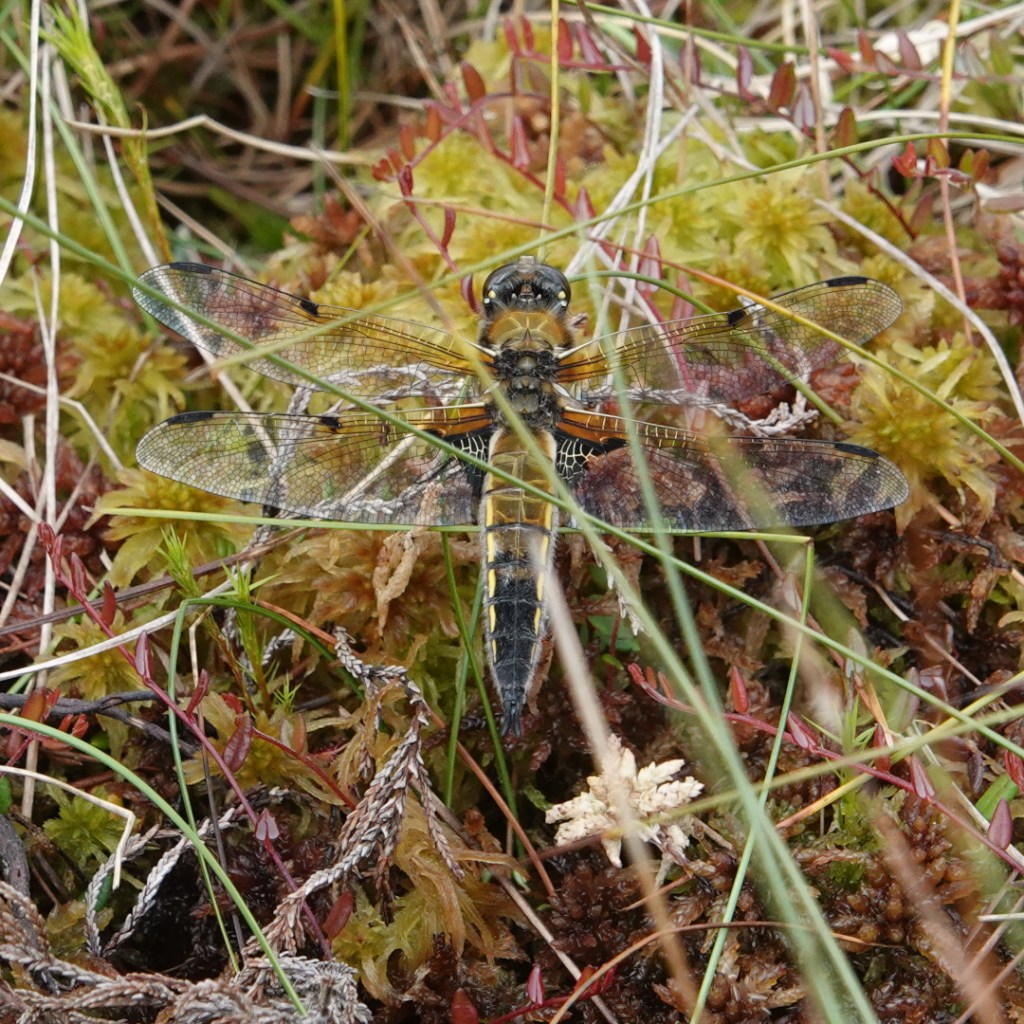
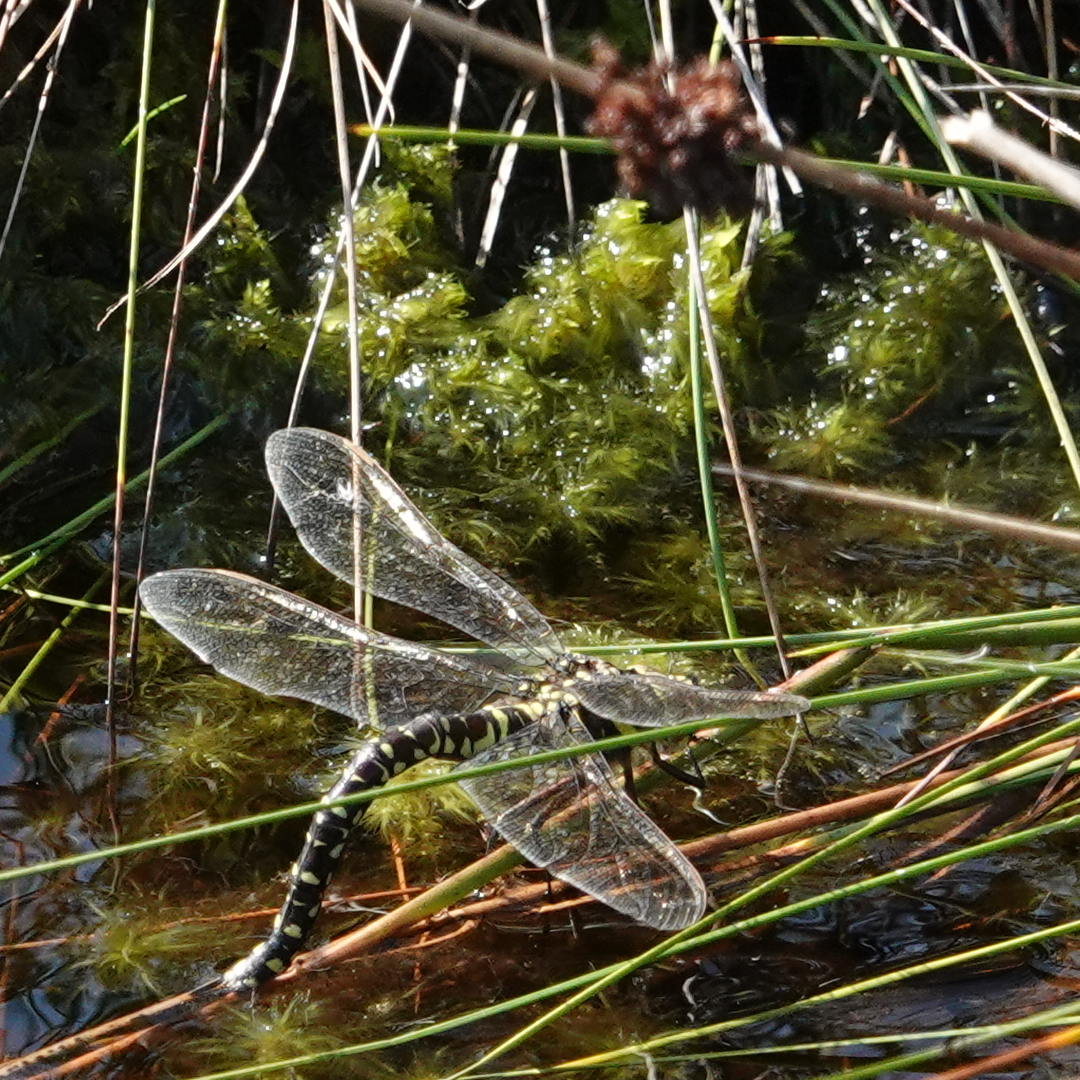
While Butterflies may have been disappointing, Dragonflies were not, with sightings of the Common Darter, 4 Spot Chaser, and Common Hawker all spotted around our wetlands along with red and blue damselflies.

On The Hunt For The Small Pearl- Bordered Fritillary

We are on the hunt!

Butterfly Conservation- Glasgow & South West Scotland Branch are conducting surveys to find Small Pearl-Bordered Fritillaries. These Butterflies are declining but it would appear they are doing a bit better in Scotland.

But are they?

Well, today on the edge of Blantyre Muir, East Kilbride I can say that here at least they are doing well. I saw about a dozen.

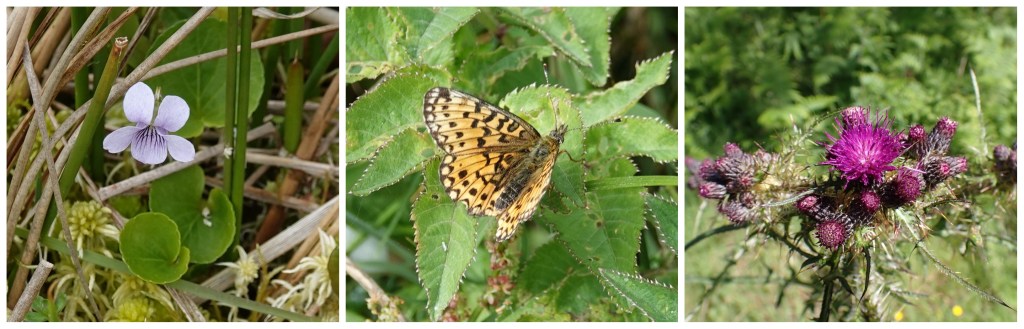
I had spotted the marsh violets that the caterpillars feed on earlier in the year so I knew there was a good chance of spotting them.

The adult likes to take nectar from Marsh Thistles and there was plenty of these.

In otherwards an ideal site.

If you spot any of these butterflies in the marshy areas around East Kilbride then please message me as it would be good to get them properly recorded.

Alternatively you could record them on I-Record

3 images that show a Marsh Violet, a Small Pearl Bordered Fritillary, and a Marsh Thistle

Planting for eggs

Planting for Pollinators is Important.

Providing Nectar for Energy and Pollen for Protein should maintain a healthy, viable adult insect population able to provide pollination services to plants to enable them to produce seeds.

Doing this is beneficial to the food production that we rely on. Where would we be without strawberries and apples and so many other crops?

But without the plants for the larval stages to thrive we face a dwindling insect population no matter how many plants are provided for pollination.

Growing Cuckoo Flowers for orange-tip butterflies is easy. Take the leaves from the base of a well-established Cuckoo Flower Plant and lay them on wet soil.

Keep it damp, and soon, shoots will grow.

A year later, there will be flowers.

Then, plant them where they will attract orange-tip butterflies.

One other benefit is the plant is a member of the mustard family, so they are edible. A handy winter addition to a sandwich!

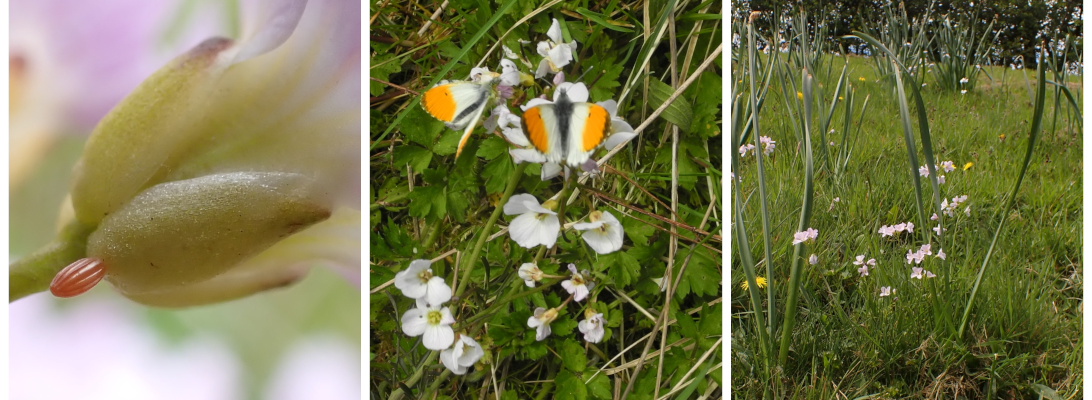
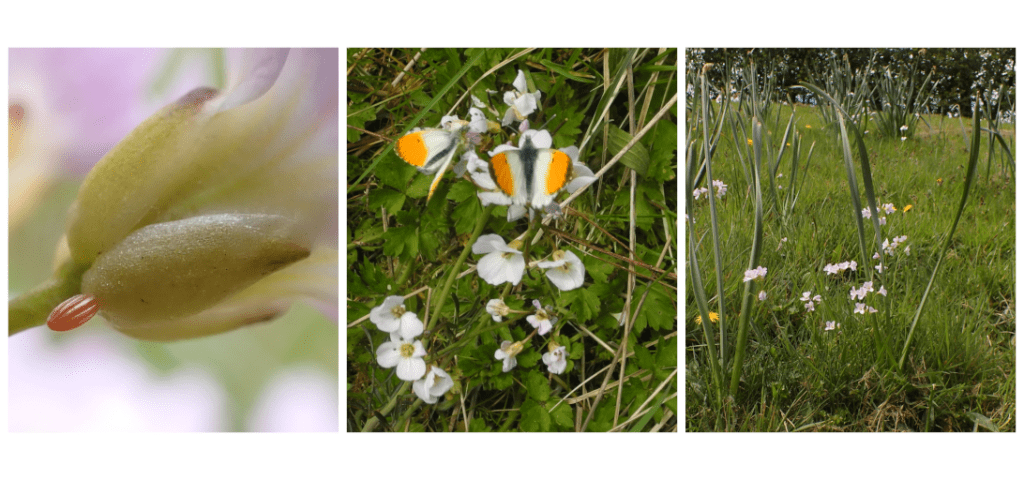
The above image shows progress from the leaves to tiny shoots to flowering plant.

The above image shows an orange tip egg, the male butterflies on the cuckoo flower and cuckoo flower growing in amongst daffodils. Daffodils are usually left to die back before being mown. This is important to allow the caterpillars to find a safe place to overwinter. A nearby hedge is ideal.

So plant not just for pollination but also for Eggs.

For Orange Tips it is Easy.

Where Did All the Frogs Come From?

It was quite a surprise!

Frog spawn has mysteriously appeared every year since work finished on the Glen Esk Pocket Park in the Calderwood Area of East Kilbride.
There were no sightings of frogs initially.
Then, last year, a couple of posts appeared on social media highlighting the rescue of a frog on a road or a path.
Meanwhile, those interested monitored the progress as the tadpoles appeared.
However, nobody saw the tadpoles develop into frogs, and last year, there was concern that as summer approached, the ponds seemed to dry out.
The fear was that the tadpoles had not survived.
It could only be a matter of time before there would be no frogs.
Well, thankfully not.
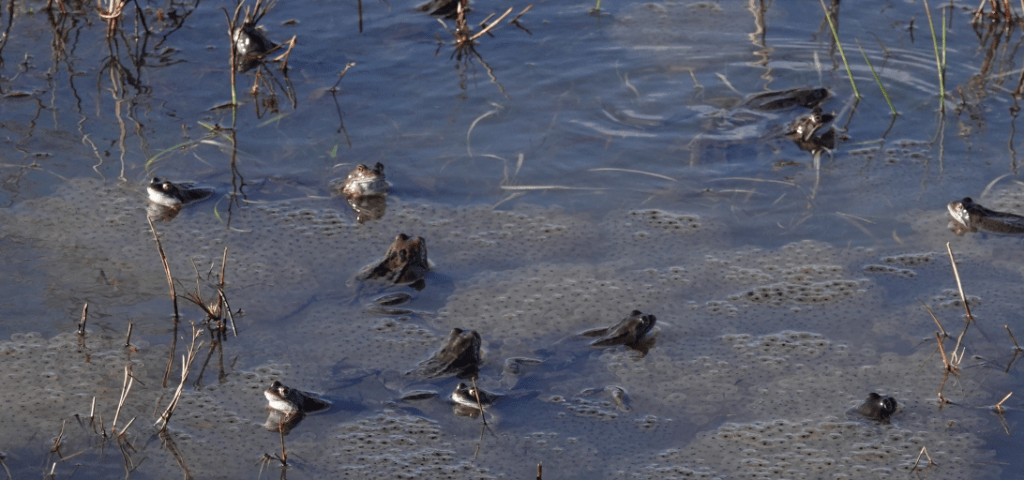
This year, the frogs spent a few days in the ponds, allowing people of all ages to see and photograph them.

There were not just a few frogs, there were loads.

Quite how they managed to survive is a bit of a mystery.

Also, why this year they have decided to hang about letting the local community see and photograph them for a few days when in previous years they appeared to be quite secretive is also a bit of a mystery.

I am glad they did as a lot of people particularly children got a lot of pleasure from seeing them.

So fingers crossed, the ponds don’t dry out and we see lots of froglets.

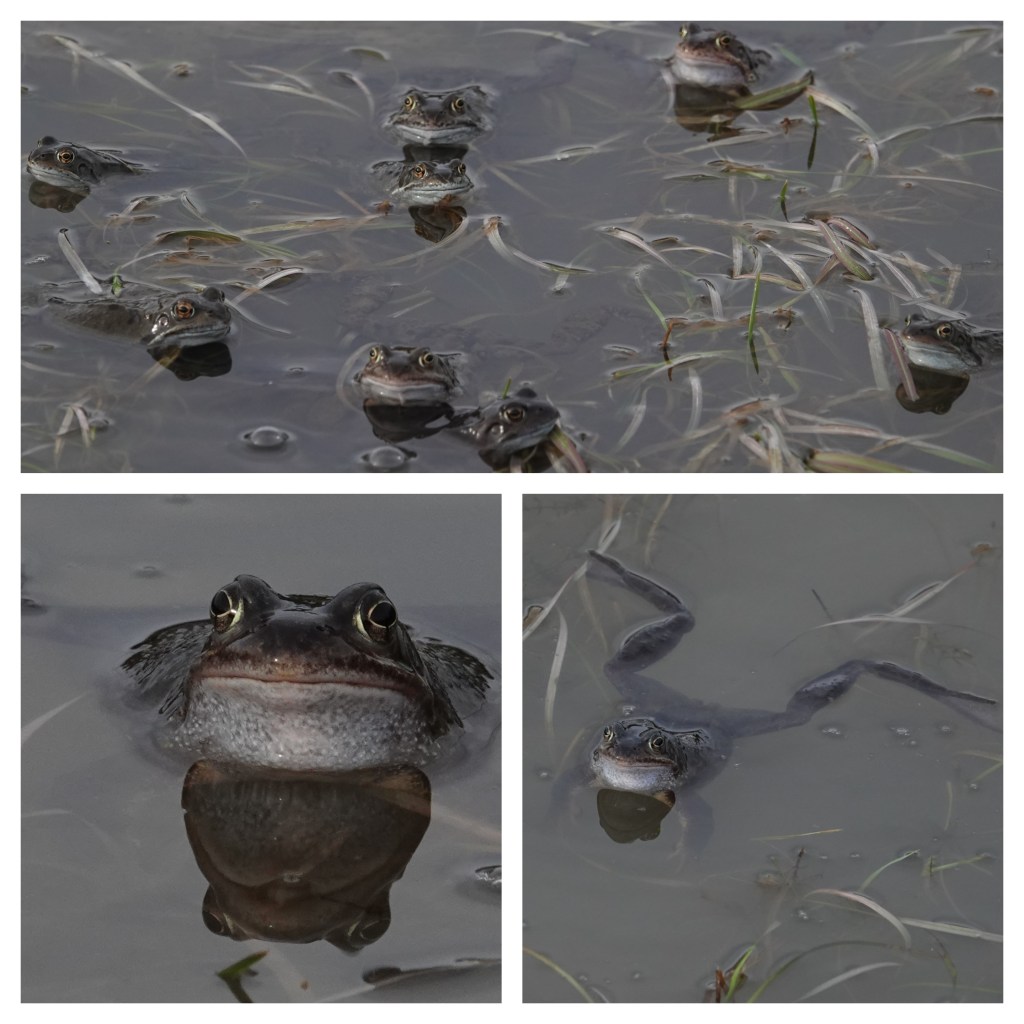
A collage of 3 pictures showing a close up of a frog, a frog swimming and a crowd of frogs

Wildlife Highlights of 2023

There are a lot of gloomy predictions about the state of wildlife, and it is easy to get depressed, but last year, I was pleased to be involved in positive action.

Butterfly Recording and Out with the Bog Squad

Until now, I have been a reluctant recorder as all I felt I was doing was observing decline. Previously, it did not appear to lead to action. However, after joining Butterfly Conservation this year, I started using the I-Record App for butterflies. It is very straightforward to use, with your records accessible after submitting them.

For the first time, I spotted Green Hairstreak, Small Pearl Bordered Fritillary, and Large Heath butterflies. These are all found in and around peatland sites on the edge of town such as Blantyre Muir, Langlands Moss, and Ardochrig.

Visit the Butterflies of East Kilbride Page to find out more.

Last year, I hoped to see Speckled Woods locally, and much to my surprise, they turned up in Calderglen Country Park.

I am not sure I would have spotted any of these had I not been out recording.

The other benefit of being a member of Butterfly Conservation is being out with the bog squad.

At Langlands Moss, invasive trees that could dry the bog out were removed. Numerous Bog specialists will benefit, such as the Large Heath butterfly. Targeting where to concentrate effort can be achieved by looking at the records supplied by volunteers. So now there is more of an incentive to get involved. Recording need not just be about observing decline, it can lead to positive action.

Snowberry Clearing

Clearing Snowberry bushes appears to be never-ending, and it is hard to see if you are making any impact. But, this year, the Calderglen Volunteer Group did start to see results for all their efforts. After removing a lot of Snowberry from the path heading north to the expressway, there are now views of the river, making the walk more enjoyable.
Another area where there has been significant clearance is the area above Castle Falls. Wildflowers are flourishing, and walking along the trail, the bell pits are much more evident. These are the remains of an early method of mining for lime.
With Scottish Water felling some trees to help divert a drain, more light is now penetrating the woodland.
Could this create an opportunity for Speckled Wood butterflies to move into this area? Now, that would be fantastic.
The Council has also been clearing Snowberry. They have concentrated their efforts in the woods at Morrishall Road. If Speckled Wood Butterflies were to take up residence there as well, that would also be fantastic.
I am optimistic as Speckled Wood Butterflies appear to be increasing their range within Scotland, so fingers crossed.
The woodland also attracted a flycatcher. Being a migratory bird, it was probably a stopover on its flight south.
Like the Speckled Wood Butterfly, flycatchers like open woodland with plenty of light.
With increasing space for native flora and fauna to recover, could a pair be tempted to raise their brood in a local woodland?

A Garden Water Feature is Worth it.

Adding a water feature is a great way to improve your garden for wildlife, but as I created it in mid-summer, I did not expect a lot to happen immediately. The expected drone fly larvae appeared and then the snails and beetles followed. Next was a beautiful damselfly and then a grey wagtail. Also, the reclusive willow warbler was now not so shy. The risk of being out in the open was worthwhile as emerging adult insects were proving to be a tasty snack.
What was a real surprise was a visit from a frog. I was not expecting that quite so soon. Will there be any frog spawn in the spring?
It will not be long before I find out.

Snowdrops Brightening up a gloomy February Walk

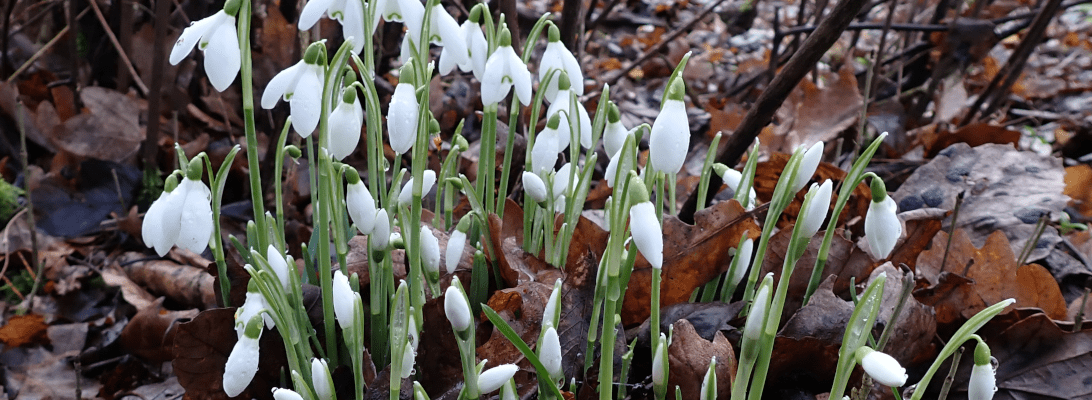
a clump of snowdrops

The snowdrop is one of the first flowers to bloom, brightening the gloom of a February walk.

As wintery conditions are possible at this time of year, a protective sheath covering the tip of the flowering stem enables the flower to force its way up through the snow. But alternatively, should a warm spell occur, then these flowers provide an early feast for honeybees and early queen bees, who, in turn, pollinate the flowers.

Due to the uncertainty of the weather, snowdrops don’t rely on pollinators to reproduce as they spread mainly through bulb division.

Snowdrops have six white flower segments known as tepals arranged in two whorls. They are referred to as tepals, as there is a lack of distinction between sepals and petals.

The inner three tepals are smaller and have a notch in the tip with a green spot.

Flowering early in spring before the leaves on the trees emerge, casting the woodland into shade allows snowdrops to use the available light to grow, flower, and reproduce.

Although the bulbs are poisonous to eat, a naturally occurring compound in snowdrops called galantamine is now in use to treat the symptoms of Alzheimer’s disease.

I am attempting to keep a note of when plants come into flower and will post photographs and information in the wildflower diary project

Imbolc

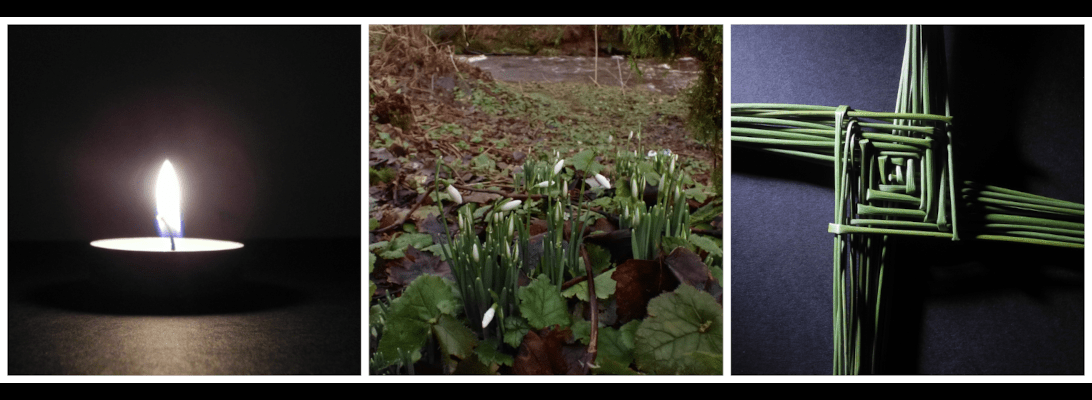
featuring three images showing a lighted candle, snowdrops, and brigid's cross made of reeds.

Imbolc falls on the first of February, half way between the winter solstice and the spring equinox. It is a pagan festival associated with the pagan goddess Brigid also known as Saint Bride by Christians.
The town of East Kilbride in Scotland, south of Glasgow has an association with Bride as Kilbride means the Church of Bride.
Lighting candles and making crosses were traditional ways to celebrate this day.
The festival celebrated increasing daylight, snowdrops, lambing, and anything to do with spring.
On my walk today, I noticed snowdrops for the first time at the riverside downstream of Castle Falls in Calderwood.

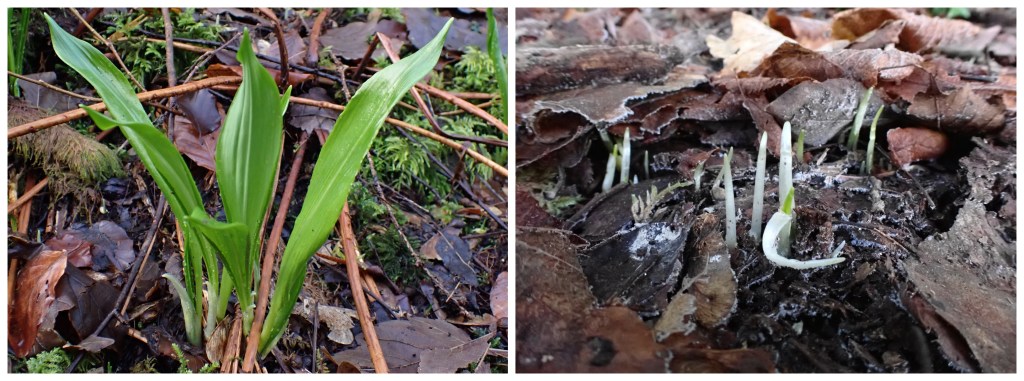
Two images showing garlic leaves and young shoots under leaf litter.


They grow more prolifically upstream at the Torrance House end of the Rotten Calder Gorge, where large drifts of them in the woods form quite an impressive sight.
Despite it still being very chilly, I noticed, while out on my walk, little shoots appearing from under the leaf litter, woodland plants ready to burst out and flower before the leaves of the trees come out and cast them into the shade.
Check out what looks like the leaves of wild garlic.
In this situation, they are well advanced, not wasting any time, taking advantage of the heat trapped in this sheltered and, particularly, sunny spot.
It may have just turned February, but spring is definitely around the corner.

Winter is the time to appreciate lichens.

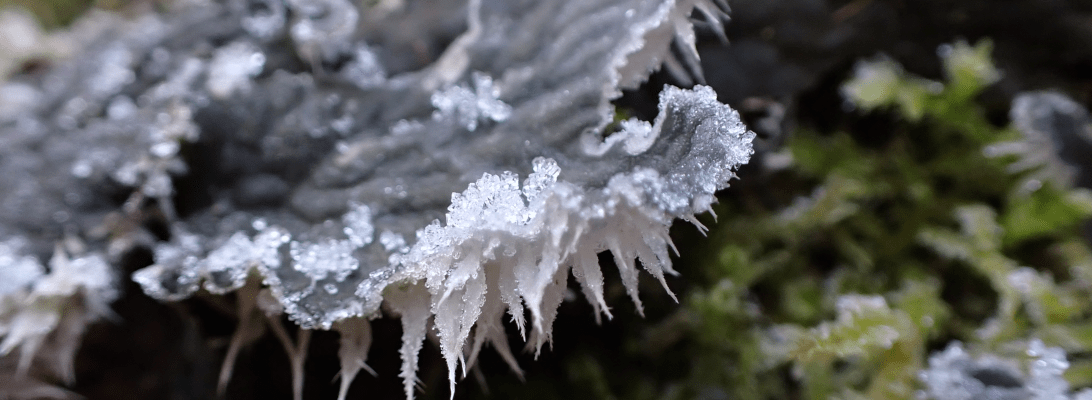
Look at the dog lichen in the frost.
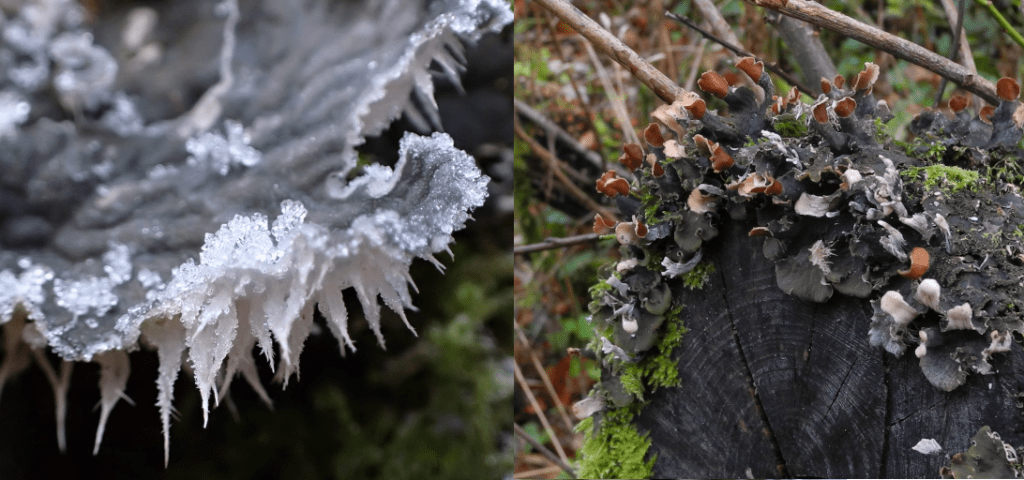
Dog lichen with frost and Dog lichen with fruiting bodies


On the underside of a dog lichen there are white root-like structures. They are supposed to resemble the teeth of a dog. Although, the orange-red fruiting bodies, in my view, are more indicative as they look like blood dripping from fangs. It was due to having associations with dogs that, historically, these lichens were considered as a cure for rabies. Nowadays, they are indicative of wet places.

There are many different lichens, growing on almost any surface, including trees, rocks, soil, and artificial surfaces such as concrete and tarmac.

At this time of year, they are more noticeable because there are no leaves on the trees.

Lichens are a partnership between a fungus and one or two types of algae.

The fungus gives the lichen structure providing a layer around the algae protecting it from extremes of temperature and drought.
In return, algae through photosynthesis provides carbohydrate nutrition for both partners.

There are three distinctive types of Lichen

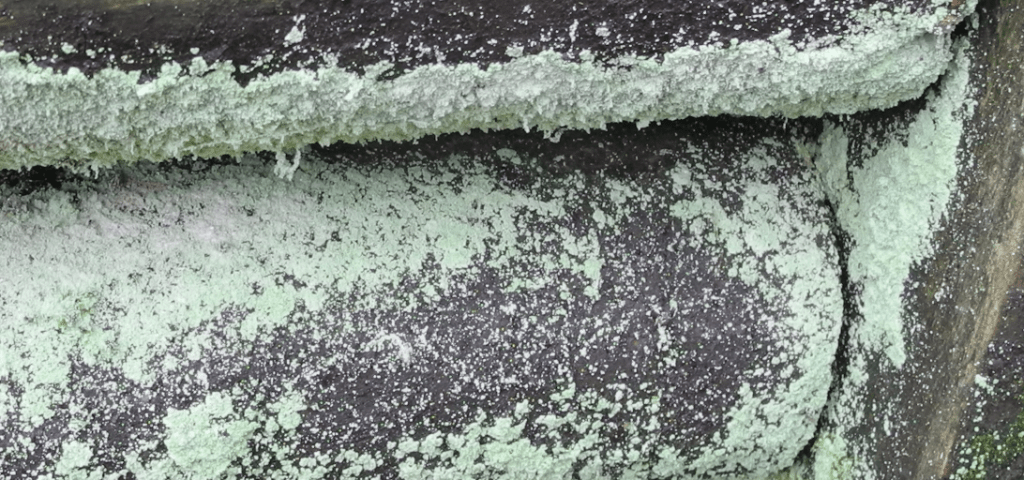
Crustose lichens are the first type to consider, and their name comes from their crust-like appearance on a surface. They are too hard to dislodge, even when scratching them with a fingernail.

Crusty lichen on a fence

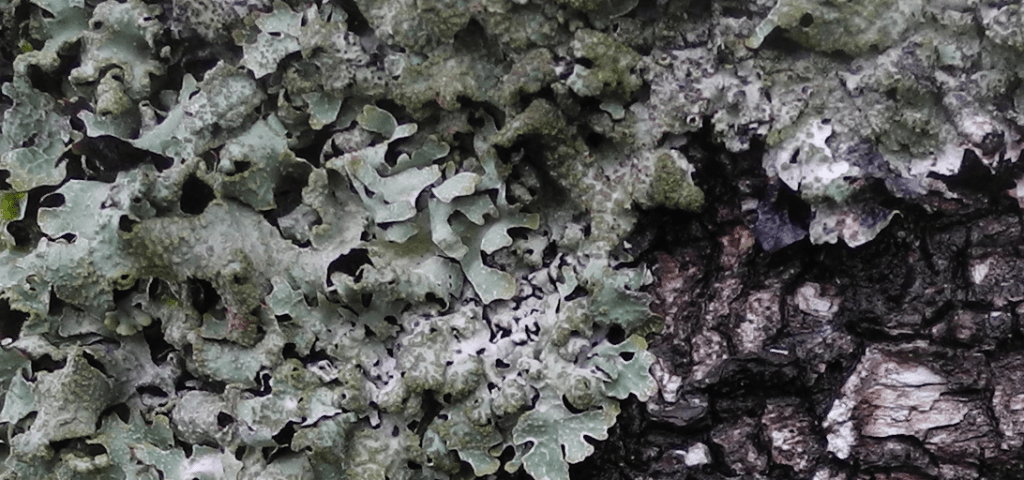
The second type is the leafy lichens, often referred to as Foliose lichens, and unlike the group above, you can lift them off their surface with the scratch of a fingernail.

A leafy lichen on bark

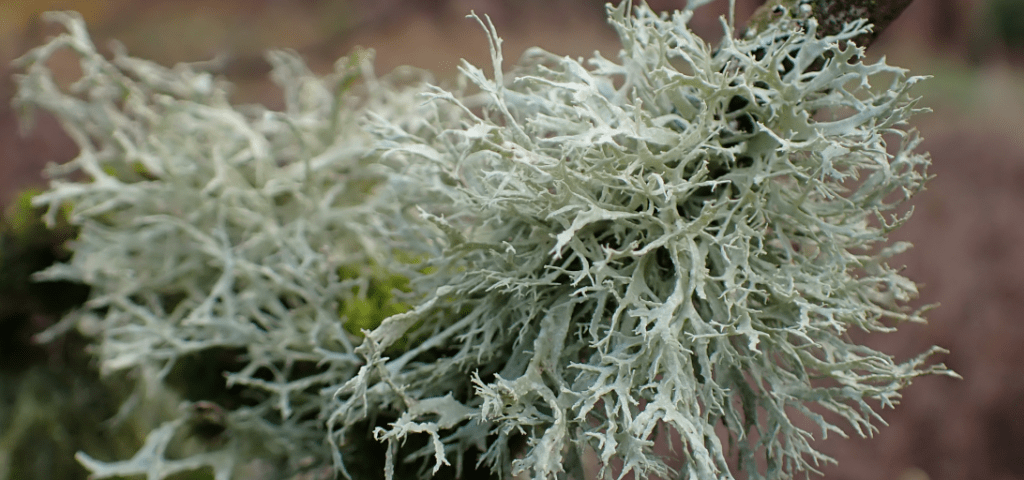
Finally, the third type is the Fruticose lichens. Bushy in appearance, these lichens are usually only attached by one sucker-like hold fast.

Bushy lichen on a twig

Lichens are highly sensitive to air quality, and as a result, they are good indicators of air pollution.

In the past, sulphur dioxide affected air quality, and because of this, very few lichens could survive, but as air quality improved, lichens started to reappear.
The rule was the fluffier the lichen, the cleaner the air.

It will be interesting to see if, in the future, increasing levels of nitrogen from car use and farming will have a detrimental impact on lichens as not all lichens can tolerate high levels of this type of pollution.